Campus Numérique UABT
Résultats de la recherche: 36

The mechanics described here relate exclusively to the mechanics of the point(or Mechanics of Particle). In practice, it concerns material objects whose spatial extension is very small: their deformations and the energy linked to their own rotational movement can also be neglected in comparison with the energies involved. Relativistic mechanics is beyond the scope of this presentation and we will only consider motions whose speed is slower than that of light ("classical" mechanics). However, the fundamental principle of dynamics will be given in the relativistic context, since its expression is very simple based on momentum. and we will deduce from it the classically used relations that are Newton's laws. We will assume that a unique time can be defined at any point in space, and that lengths, masses, times and forces are invariant to a change of reference frame. The aim is to be able to relate the movement of a body to the forces applied to it. To do this, we need to relate the forces (the resultant external force) to the acceleration. This is the fundamental principle of dynamics. Next, we will learn how to relate acceleration to speed and position, mathematical operations known as kinematics.
The competency aimed at by this course is to be able to :
· Discover the basic concepts of classical mechanics
· Define the fundamentals of Newtonian physics.
- Dr: AMEL BENMANSOUR

Introduction
Understanding electricity and its role in our society is a good first step towards examining our environmental impact and finding ways to reduce our footprint. To do this, we first need to review our relationship with electricity and its sources.
Electricity is a natural phenomenon that can be used to power electronic equipment and appliances. Everything on the planet is made of atoms, and all atoms have electrons. Basically, electricity is the flow of electrons from one atom to another. We call this flow the "current" (or "electric current"). Atoms that easily exchange electrons are called conductors. These conductors can be combined to enable us to control the flow of electricity to serve our needs.
Sources of electricity fall into two categories: renewable (such as solar energy) and non-renewable (oil).
The world's three main sources of electricity - coal, gas and oil - are non-renewable. Other widespread sources of electricity are nuclear, hydroelectric, wind and solar power.
In this course, we'll answer some of the most frequently asked questions about electricity and define some commonly used terms.
We also explain the different laws (Ohm's law, Kirchoff's law and Gauss's law) used to calculate the various quantities.
- Enseignant: SIDI MOHAMMED FAZIL DIB
- Enseignant: ZAKIA HADJOU BELAID
University: University ofAbou-Bekr Belkaid Tlemcen
Faculty: Letters and Languages
Department:English
Module:Reading Comprehension (RC)
Level:1st Year Students (L1)
Semester: One
Unit Type: UE Méthodologique
Coefficient:02
Credit:04
Class Meeting Time: Monday 14:30 to 16
Class Location: Room 02
Course Period: 1 hour and 30 minutes
Instructor Name: Dr. Assia BENETTAYEB
Email Address: benettayebassia@gmail.com
Office Hours: Thursday at 11:30.
Course Description:
‘Reading Comprehension’ is a course addressed to first year FILA and EFL students
Course Objectives:
- Reading different types of materials
- Practice guided-intensive reading
- Learn and practise reading strategies
- Practice extensive reading.
Prerequisites:
- Reading
- Reading skills
Course Programme (Outline):
Reading Comprehension ‘RC’.
Contents:
I- Sequence One: Literary English.
· Text 1: Literature
· Text 2: Literary Genres in Literature
· Extensive Reading Assignments
II- Sequence 2: Economic Themes in English Literature.
· Text 1: Wealth of Nations
· Text 2: Economic Literature
· Extensive Reading Assignments
III- Sequence Three: Legal English.
· Text 1: Legal Business Company and Partnerships
· Text 2: Company Capitalisation
· Extensive Reading Assignments.
Classroom Policies:
- Intensive reading of short to long selections.
- Reading practice
- Intensive assignments
Evaluation Method: The evaluation of students goes as follow:
- Classroom evaluation (100%) Intensive +extensive works .
- No exam.
Bibliography and Suggested Resources:
· Akdere, Ҫ., & Baron, C. (Eds.). (2017). Economics and Literature: A Comparative and Interdisciplinary Approach (1st ed.). Routledge. https://doi.org/10.4324/9781315231617.
· Austen, J. (1813). Pride and Prejudice [Project Gutenberg eBook].
· Dickens, C. (1854). Hard times: A novel (No. 192). Harper.
· Gilmour, R. (2014). The Victorian period: the intellectual and cultural context of English literature, 1830-1890. Routledge.
· Krois-Lindner, A. (2006). International Legal English. Cambridge University Press.
· Orwell, G. (1945). Animal Farm. Available at: Global Grey ebooks https://www. globalgreyebooks.com/animal-farm-ebook.html)
· Roshni, D (2015). Literature. Available at:https://openurl.ebsco.com/EPDB%3 Agcd%3A7%3A2287 /detailv2?sid=ebsco%3Aplink%3 Ascholar&id=ebsco%3Agcd% 3 A 1 02555389&crl=c)
· Sinclair, U. (1906). The Jungle. Available at: Project Gutenberg: ù=à0https:// www.gutenberg.org/ebooks/140).
· Smith, A. (1950). An Inquiry into the Nature and Causes of the Wealth of Nations,(1776). http://metalibri.incubadora.fapesp.br.
- Enseignant: AHMED BACHIR
- Enseignant: assia benettayeb
- Enseignant: assia benttayeb
TENSES
( By Dr. HAKEM Hadia and Dr HEMCHE Hidaya Amina)
Present tenses:
Ex 1: Put the verbs into the correct form, present simple or present continuous.
1. Please, don’t make so much noise. I ……………………………… (study).
2. How many languages ……………………………………….. (Tom/speak)?
3. Jean …………………...................... (not speak) any foreign language.
4. I …………………………………. (not belong) to any political party.
5. Hurry! the bus ……………………………. (come). I ……………………….. (not want) to miss it.
6. The Nile River ……………………………… (flow) into the Mediterranean.
7. The river …………………………….. (flow) very fast today. - much faster than usual.
8. ………………………………….. (it/ever/snow) in India?
9. We usually ………………………………. (grow) vegetables in our garden, but this year we ………………………………… (not grow) any.
10. A: Can you drive? – No, but I …………………………………. (learn).
11. You can borrow my umbrella. I ……………………….. (not need) it right now.
12. I …………………………….. (get) hungry. Let’s go get something to eat.
13. George is a vegetarian. He …………………………….. (not eat) meat.
14. George says he is 80 years old, but I ………………………… (not believe) him.
15. Ron is at San Francisco now. He ………………………………. (stay) at the Hilton Hotel. He ………………………………… (usually/stay) at the Hilton Hotel when he’s in San Francisco.
In these sentences, think about whether the situation is temporary or permanent.
16. My parents ……………………… (live) in Winnipeg. They were born there and have never lived anywhere else. Where ………………………………… (your parents/live) ?
17. She ……………………………. (stay) with her sister until she finds somewhere else to live.
18. The train is never late. It ………………………… (always/ leave) on time.
19. Jim is very untidy. He ……………………………….. (always/ leave) his things all over the place.
20. I can’t understand why he …………………………………….. (be) very selfish. He is not usually like that.
Ex 2: Complete each paragraph with one set of verbs, using the present simple or continuous.
belong / stay / cycle / use / enjoy - go / organise / work (×2) -
take / need / do / learn / get / be / provide/ organise
1. Simon and Sylvia ………………………………. in a cottage in the Yorkshire Dales this month. The cottage …………………………….. to a cousin of Sylvia but the cousin is away; she ……………………………….. around Norfolk for a few weeks. They really ……………………………. being in the middle of the countryside.
2. Debbie ....................... as an administrator at the university. She .................................. all the timetables and teaching schedules. She ........................................ very long hours because it’s the start of the academic year but she ................................... for a long holiday at the end of the month.
3. The International School for Languages ........................................ very well at the moment. About two hundred students .......................................... evening classes this term. Many of them .................................. to learn a new language to improve their job prospects but some of them ...................................... a new language purely for pleasure. The European languages .......................................... very popular but Japanese and Russian ................................. more popular too. The school ............................... good learning facilities and......................................... a range of study tours.
Ex 3: Complete these conversations. Put each verb in its correct form. Use the present simple or the present continuous.
Eg: A: Is Janet in, please?
B: Yes, but I think (think) she’s busy at the moment. She is washing (wash) her hair.
1. A: ……………………………… (I/ think) of buying a new computer.
B: But computers …………………………… (cost) so much money. What’s wrong with the one we have got?
A: It …………………………….. (it/get) out of date now.
2. A: Your new trousers ……………………….. (look) nice.
B: Thank you. The trouble is …………………………….. (they/ not fit) properly. I ……………………………… (not know) why I bought them really.
3. A: What …………………........ (you/do) ?
B: ……………………………… (I/weigh) this letter, ……..………………… (I/need) to know how many stamps to put on it.
4. A: ………………..………. (I/think) this road is road really dangerous. Look how fast that lorry.
B: …………………...…….. (I/agree). People shouldn’t go so fast.
5. A: ……………..……………(I/like) musicals. And this is a great show, isn’t it?
…………………..…………… (you/enjoy) it?
B: Yes, I am. ……..……………..…….. (I/love) every minute of it.
6. A: ………………………………… (I/always/fall) asleep. I just can’t keep awake.
B: What time …………………..…………… (you/go) to bed?
A: About ten o’clock usually. But…………………….…………. (it/not/make) any difference.
7. A: Could you post the goods to me. please?
B: Yes, certainly.
A: …………….…………… (I/live) at a guest house at the moment as ………………….…. (I/look) for a flat. So could you send it to my work address?
B: Yes, of course. And you’ll have the goods by the end of the week, ………………………... (I/promise).
8. A: Why ………………………………… (you/want) to change the whole plan?
B: I am just not happy with it.
A: And …………………………. (I/not/understand) why ……………………... (you/be) so difficult about it.
Ex 4: Put the verbs in bracket into the present perfect simple or the present perfect continuous.
1. A: You look hot. What 1have you been doing (you/do)?
B: I 2…………………………………………. (run).
A: Running? In this heat? How far 3………………………………… (you/run)?
B: About four miles.
2. A: What’s the problem? You look a bit preoccupied.
B: Yes, I 4………………………………. (think) about Helen.
A: Why? Is there something wrong with her?
B: Well, she 5………………………………….. (act) so strangely lately.
A: In what way?
B: Well, some days when she arrives at work, I know that she 6……………………………….. (cry). And she 7……………………………… (make) private calls when we’re all out at lunch. I just think that something is going on.
A: 8…………………………………….. (you/talk) to her about it yet?
B: Yes, a few times, and each time she 9………………………………….. (say) that there is nothing wrong, but I’m not so sure.
3. A: Where 10…………………………………….. (you/be) Simon?
B: I 11…………………………………… (talk) to Mark on the phone. He says he 12………………………………………… (try) to phone us all day.
A: Well I 13…………………………….. (be) in most of the day but I 14………………………………….. (not hear) the phone.
B: That’s strange. But anyway, he 15………………………………. (have) a phone call from Jackie’s mother and Jackie 16………………………………… (be) in some kind of accident. It’s nothing very serious but she’s got to stay in hospital overnight.
A: Oh dear. 17…………………………………………. (she/break) any bones?
B: I’m not quite sure how badly she 18…………………………………… (be hurt) but I think we should go and see her tonight.
Past tenses:
Ex 5: Choose a verb to complete the sentence. Use the present perfect or the past simple.
oversleep wear go have spend read
1. I .............................. a lot this week, but I have to get the book completely finished by this weekend.
2. A: Shall I make us some dinner? It’s already 8 o’clock. B: No, thanks. I .............................. to the dentist this afternoon and my mouth hurts too much to eat anything.
3. I ....................................... three lectures today and I still have two more later this afternoon.
4. It was so hot today that I ...................................shorts and T-shirt at work.
5. We ..................................... £200 on food this month and there’s another week to go before I get paid.
6. A: Do you want to lift home? B: No, I ................................ this morning because my alarm clock didn’t go off, so I need to work late.
Ex 6: Things that have happened today are on the radio and TV news. Give the news using the present perfect and the past simple.
1. The Prime Minister / visit Luton University / speak to students there / earlier today
The Prime Minister has visited Luton University. He spoke to students there earlier today.
2. The train drivers / go on strike / stop work /at twelve o’clock
......................................................................................................................................
3. The Queen / arrive in Toronto / fly there / in an RAF aircraft
......................................................................................................................................
4. Two men / escape from Parkhurst Prison / get away / during the night
.....................................................................................................................................
5. The actor Howard Bates / die in car accident / his car / crash into a wall
.......................................................................................................................................
6. Linda Jones / win the woman’s marathon / run it / in 2 hours 27 minutes
......................................................................................................................................
Ex 7: Write the verbs into the past simple, present perfect simple or present perfect continuous.
Jake and Michael, two friends, are talking
J: Hello, I1 ……………………………. (not see) you for ages.
M: No, it must be about two years since we last 2………………………....
(meet). What3 ………………………………… (you/do) with yourself?
J: I 4…………………………………………… (do) all sorts of things. Life
5…………………………… (be) very busy lately. I 6….……………………. (start)
a new job at the sailing centre.
M: Really! Doing what?
J: Well, I 7…………………………………… (teach) beginner’s courses to school
groups this term but when those 8…………………………………… (finish), I’ll be
teaching more advanced groups on holiday courses.
M: That sounds great. What about your old job at the tourist office then?
J: Well, I 9………………………………… (work) there for ten years and I quite
10…………………………. (enjoy) the job but I 11…………………………………
(want) to do something different. I 12………………………………… (always/enjoy)
sailing in my spare time so I 13…………………………… (think) it would be nice to
do it for a job.
M: So how long I 14….………………………….. (you/be) at the sailing centre?
J: For about two months now? I’m sure I 15………………………………… (do) the
right thing. It’s a really enjoyable job. And what about you?
M: Well, I’m still at the Rembrandt Hotel. I 16………………………………………….
(work) there for fifteen years now. But I 17………………………………. (have) a
promotion so that’s good. They 18……………………………………. (give) me the
job of head receptionist.
J: That’s good news.
M: Yes, it 19……………………………………… (make) me feel much better about
work. I mean, I 20………………………………….. (do) a lot of different jobs at the
hotel but I 21…………………………………….. (never/ have) a job with this much
responsibility before. I 22…………………………………….. (work) at the reception
desk for four years when I 23…………………………………… (start) at the hotel.
J: I’m happy for you. You should learn more languages then.
Ex 8: Write the verbs in brackets into the past simple or the past continuous.
1. Jane ………………………… (wait) for me when I ………………….. (arrive).
2. ‘What ………………………… (you/do) this time yesterday?’ – ‘I was a sleep.’
3. ‘ ……………………………….. (you/go) out last night?’ – ‘No, I was too tired.’
4. ‘Was Carol at the party last night?’ – ‘Yes, she ……………………………. (wear) a really nice dress.’
5. How fast ………………………………….. (you/drive) when the accident ……………………… (happen)?
6. John …………………………………… (take) a photograph of me while I ………………………………… (not/look).
7. We were in a very difficult position. We ……………………………. (not know) what to do.
8. I haven’t seen Alan for ages. When I last …………………………… (see) him, he ……………………………………….. (try) to find a job in London.
9. I ………………………………….. (walk) along the street when suddenly I ………………………… (hear) footsteps behind me. Somebody ………………………….. (follow) me. I was frightened and I ………………………….. (start) to run.
10. When I was young, I ……………………………. (want) to be a policeman.
Ex 9: In the following sentences put the verbs in brackets in either the past simple or the past continuous tense. Put any other words in the brackets in the correct place. Look at the example provided.
1. While the teacher was explaining (explain) the sum on the blackboard, the children were throwing (throw) paper aeroplanes around the classroom.
2. Eve ........................................ (live) in Athens when she ........................... (meet) the man who was to become her husband.....................
3. you....................... (not work) at Macllroy’s when they ............................... (have) that terrible fire?
4. I .................................... (hear) a strange noise just as I ................................ (go) to sleep.
5. When the fire alarm .................................. (go) off, we ..................................... (leave) the building as quickly as possible.
6. At the place where we ....................................... (live) before, our neighbours (always/ have) violent arguments late at night.
7. Fiona ................................... (live) in New York when her first novel ............................ (publish).
8. On looking out of the window, Dick ................................. (see) it was another dry day. The wind .................................... (blow) hard and big clouds .............................. (gather) on the horizon.
9. While the others ........................................ (lie) on the beach, poor old Gary ...................................... (work) in the office as usual.
10. When the phone ............................................. (ring), she .................................... (pick) it up and .................................... (put) it down again!
11. Beverly ....................................... (work) in a fast-food restaurant for a few months before she .............................................. (go) to college.
12. When I ........................................ (be) a lad, we .......................................... (always/go) to Heysham for summer holidays. I ......................................... (really/love) the place even though it .............................................. (often/rain).
Ex 10: Complete this text with these verbs.
was (×2) explained didn’t eat have gone had cooked hadn’t eaten
were went didn’t lock have heard had reached hadn’t locked j e ee
One of the four-year-olds in the reading group suddenly said, ‘This is the silliest story I (1) ........................ever .......................!’ I (2) .......................................... in the middle of reading Goldilocks and the three Bears to the group. We (3) ......................just ............................ the part in the story where Goldilocks goes into the bears’ house and eat some of the food from bowls on the table.
‘Where (4) ................................... the bears?’ he asked.
‘Maybe outside or playing in the woods,’ I suggested.
‘And their house was wide open? They (5) ......................even .............................. the door before going out?’
‘Well, in the old days, people (6) ............................................... their doors.’
‘And their food was on table, but they (7) ....................................... it before they (8) ........................................outside?’
‘Maybe they (9) ............................................ it because it (10) ............ too hot.’
‘If you (11) ........................................... that meal, you wouldn’t (12) ........................................
Out and left it, would you?’
‘Probably not, but it’s just a story,’ I (13) ......................................... rather weakly.
Future tenses
Ex 11:
Put the verbs in brackets into the future simple or continuous. Complete any short answer with will or won’t.
|
1 |
A : |
Would you like to come over for lunch on Saturday ? |
|
|
B : |
Well unfortunately, I 1’ll be working (work) all day Saturday. |
|
|
A : |
Oh, that’s shame. Well, you 2………………………… (have to come over) another day. I 3…………………………… (talk) to Andy about it and I 4……………………… (phone) you on Sunday. 5…………………………. (you/be) in then ? |
|
|
B : |
Yes definitely. I 6…………………………….. (recover) from my week’s work. |
|
2 |
A : |
7……………………………. (you/go) to the meeting tonight? If so, I 8………………………….. (give) you a lift there. |
|
|
B : |
Oh yes please, that would be helpful. I 9………………………………… (play) tennis until 7 o’clock but I 10…………………………….. (be) back shortly after that. |
|
|
A : |
O.K. I 11………………………………… (pick you up) at about 7.30. 12…………………………….. (you/be) ready by then ? |
|
|
B : |
Yes. Don’t worry. I 13………………………………… (wait) for you when you get here. |
|
3 |
A : |
Do you ever think about what you 14………………………………. (do) in ten years’ time ? |
|
|
B : |
Oh yes. I sometimes imagine that I 15…………………………… (do) a very important job and earning lots of money and that I 16…………………………… (live) in a beautiful big house. But to be honest, I think I 17…………………………….. (still work) here and I 18………………………………..(probably do) the same job. |
|
|
A : |
No, you 19……………………………. . You 20…………………………. (get) a better job soon, I’m sure you 21………………………………… . |
|
|
B : |
And so 22…………………………… you. |
|
|
A : |
And then we 23…………………………….. (go) on wonderful foreign holidays and we 24………………………………. (learn) to speak different languages. |
|
|
B : |
Perhaps. |
|
4 |
A : |
Oh dear, I’ve run out of stamps. I 25………………………………. (not be able to post) these letters now. |
|
|
B : |
Well, I 26……………………………… (go) to the post office later on. I 27………………………………. (take) the letters and post them for you. |
|
|
A : |
Oh thank you. I 28…………………………….. (give) you the money for the stamps. |
|
5 |
A : |
So I 29………………………………… (wait) for you when you get to the station. I 30…………………………………… (not come) onto the platform but I 31…………………………………. (see) you by the ticket office. |
|
|
B : |
O.K., that’s fine. I 32………………………………... (carry) a heavy suitcase so I think we 33……………………………………... (have to get) a taxi from the station.
|
Ex 12: Write the verbs below in the future perfect simple or continuous. If two answers are possible, write the answer which you think is best for the sentences.
1. They’ll probably be hungry because they won’t have eaten. (not eat)
2. I’ll be tired tonight because I’ll have been working all day. (work)
3. I ……………………………… the entire committee by the time I leave England. (meet)
4. I ……………………………….. for seven years when I get my degree. (study)
5. We …………………………….. here for six months by the time they find us a new flat. (live)
6. I …………………………….. for fifty-five years by 2016. (work)
7. They …………………………….. in the cold for six hours by the time we pick them up. (stand)
8. Another million people ………………………………… unemployed by this time next year. (become)
9. She ………………………………….. Prime Minister for ten years by next year. (be)
10. They ………………………………… for five hours by eight o’clock. (play)
11. We ………………………………. for two days by the time we get there. (drive)
12. They ………………………………. for twenty-four hours by twelve o’clock tomorrow. (not eat)
13. When they’ve talked to me, the police ……………………………… everybody in the office. (question)
Ex 13: Put the verbs in brackets into the present simple, future simple, future perfect simple or future perfect continuous.
1. I think she will have heard (hear) all about it by the time I see (see) her.
2. I reckon I …………………………………… (finish) this book by the weekend and then I …………………………………… (give) it to you.
3. The children ……………………….. (be) hungry when they ……………..………… (get in) because they ……………………………. ………………………… (run around) all afternoon.
4. This government …………………………………… (be) in power for eight years soon but I don’t think they ……………………………………… (win) the next election.
5. …………………………………. (you/eat) when you …………………………. (get) here? If not, I ………………………………… …. (make) you something.
6. Don’t phone them now. They …………………………………………. (not get) home yet. They ……………………………………………. (probably get back) at about half past eight.
7. I think they ………………………………………. (finish) building the house by the time the winter ……………………………… (come) and then we ……..………….. (move in) in the New Year.
8. I expect they …………………………. (be) tired when you …………………………. (see) them because they ……………………………. …………… (work) all day.
9. If I ……………… (come) and see the film with you on Saturday, I …………………… (see) it six times. But it is my favourite film of all time: I think you …………………..….. (love) it.
Ex 14: Do these sentences refer to habitual present or the future? Circle P or F for each sentence.
1. I leave home at eight, walk to the station, and catch the 8.30 train. I always get to the office before nine. P / F
2. The committee leaves Stockholm on Sunday morning, arrives in Australia on Monday and starts work on Tuesday. P / F
3. Your plane leaves London at 8.30 and arrives in Cairo at 12.00. P / F
4. I travel by the 8.30 train because it gets to London before ten o’clock. P / F
5. I travel by the 8.30 train from Berlin which connects with the night ferry from the Hook of Holland. You arrive in London an hour before your appointment. P / F
6. I always take the night train from Edinburgh which arrives in London at half-past six. P / F
7. The hovercraft leaves Felixtowe at 12.00. It takes an hour, so you get there at 14.00 French time. P / F
8. The Prime Minister arrives in India on Tuesday, spends a couple of days in Delhi, then goes on to Malaysia. P / F
Ex 15: Put the verbs into the more suitable form, present simple or continuous.
1. I …………………………….. (go) to the cinema this evening.
2. ………………………………………… (the film/begin) at 3.30 or 4.30?
3. We …………………………………….. (have) a party next Saturday. Would you like to come?
4. The art exhibition ……………………………………….. (finish) on 3 May.
5. I ……………………………… (not go) out this evening. I ……………….………… (stay) at home.
6. ‘ ………………………..….. (you/do) anything tomorrow evening?’ ~ ‘No, I’m free. Why?’
7. We ……………………………. (go) to a concert tonight. It ……………………… (start) at 7.30.
8. I ………………………………… (leave) now. I’ve come to say goodbye.
9. A: Have you seen Liz recently?
B: No, but we …………………………… (meet) for lunch next week.
10. You are on the train to London and you ask another passenger:
Excuse me. What time ………….………………………… (this train/get) to London?
11. You are talking to Helen:
Helen, I ………. ……………………. (go) to the supermarket. ……………… …….. ……………… (you/come) with me?
12. You and a friend are watching television. You say :
I’m bored with this programme. What time ………………………….. (it/end) ?
13. I ……………………………. (not/use) the car this evening, so you can have it.
14. Sue ……………………………… (come) to see us tomorrow. She ……………. …………………… (travel) by train and her train ……………………. (arrive) at 10.15.
Ex 16: Complete the text using the verbs given. Choose will (’ll) or (be) going to with each verb, depending on which is more appropriate.
1. A: I can’t come over during the day.
B: I …………………………….. you tomorrow evening, then. (see)
2. The method is quite simple, and I’m sure it ……………………………….. familiar to most of you already. (be)
3. Have you seen Karen recently? She ……………………………. another baby. (have)
4. A: Did you get the theatre tickets?
B: No, I forgot all about them. I ……………………………….. them tomorrow. (book)
5. Wherever you go in Brazil, you …………………………………. the people very friendly. (find)
6. John says he …………………………………….. a politician when he grows up – and he is only 5 years old! (be)
7. Are these new skis yours? ……………………… …………………… skiing? (you/take up)
8. It’s getting very humid. We …………………………….. a thunderstorm. (have)
9. A: We’ve got small, medium and large. What size do you want?
B: I ……………………………. a large one, please. (have)
10. A: Shall I give Ian another ring?
B: Yes, I expect he ……………………………….. home by now. (be)
11. A: What are all those bricks for?
B: I …………………………………. a wall at the side of the garden. (build)
12. I hear you ………………………………….. your car. How much do you want for it? (sell)
13. You can’t play football in the garden. I …………………………….. the grass. (cut)
14. A: What’s the matter with Paula?
B: She says she ………………………………… .
A: She ………………………………… better with some fresh air. (be sick - feel)
Ex 17: Complete this text with the most appropriate forms of the verbs, using will, be going to or the present simple.
be give have make not start not stop
I was standing at the bus stop reading my horoscope in the newspaper. It said, ‘You ……………….………… good moments and bad moments today.’ I looked up and saw the bus coming. Then I realized it 2…………………………………… because it was already full. ‘Oh, no,’ I thought. ‘If I 3……………………………….. walking fast, I 4……..………………………. …… late for my first class !’ I had just started walking when a car pulled up beside me and one of my classmates leaned out. ‘Hey Jean, get in, we 5……………………………. you a lift.’ It’s amazing how the bad moments 6………………………….….. the good moments feel so much better.
- Enseignant: hadia hakem

Bienvenue sur le cours de l'analyse de la situation financière de l'entreprise.
L’analyse financière est un ensemble de méthodes et outils qui permettent d’évaluer la
situation financière de l’entreprise pour réaliser un équilibre financier à court, à moyen et à
long terme. Elle est réalisée à partir des documents comptables : le bilan, le tableau des
comptes de résultats,… et sur des informations économiques et financières relatives et à son
activité.
Ce cours s'adresse aux étudiants de la deuxième année classes préparatoires.
Ce cours est composé d’un ensemble d’unités d’apprentissage qui vous permettent d’acquérir
des compétences en matière d’utilisation des techniques de l’analyse financière afin d’arriver
à analyser la situation financière de l’entreprise.
- Dr: sara Bouri

This course is designed for university students so they can develop their academic English skills for writing and communication in biology. Learning scientific English involves developing proficiency in language skills such as reading, writing, speaking, and listening, as well as critical thinking and analytical skills, and building a strong vocabulary. Academic English is important for students who need to communicate effectively in academic or research settings.
- Enseignant: fatimazahra abiayad
- Enseignant: MOHAMMED NADJIB RAHMOUN
- Enseignant: MAJDA SAHI

This course is designed for university students so they can develop
their academic English skills for writing and communication in biology.
Learning scientific English involves developing proficiency in language
skills such as reading, writing, speaking, and listening, as well as
critical thinking and analytical skills, and building a strong
vocabulary. Academic English is important for students who need to
communicate effectively in academic or research settings.
- Enseignant: bayachahinez guermouche
- Enseignant: MAJDA SAHI

This course is designed for university students so they can develop
their academic English skills for writing and communication in biology.
Learning scientific English involves developing proficiency in language
skills such as reading, writing, speaking, and listening, as well as
critical thinking and analytical skills, and building a strong
vocabulary. Academic English is important for students who need to
communicate effectively in academic or research settings.
- Enseignant: fatimazahra abiayad
- Enseignant: MAJDA SAHI
- Enseignant: MERIEM SAKER

This course is designed for all students wishing to learn the basics of the  software, through basic statistical concepts. The only prerequisite is the statistics course of the first year of university..
The software generates an environment for statistical analysis, graphing and numerical computation via subprograms called "packages".
is a free software, written under the GPL (General Public License), and can be downloaded from the website: www.r-project.org.
- Enseignant: Tewfik MAHDJOUB
- Enseignant: TEWFIK MAHDJOUB
- Enseignant: MOHAMMED NADJIB RAHMOUN

This course is related to methods and techniques that can help new University students know how to study in an effective way. The target learners are students of first year major in English.
This module aims at:
- Identifying the importance of some study habits at the university level.
- Recognizing some initial study skills.
- Interpreting different study skill notions and techniques.
- Enseignant: AMINA TCHOUAR
University: University of Abou-Bekr Belkaid Tlemcen
Faculty: Letters and Languages
Department: English
Module: Study Skills (STSK)
Level: 1st Year Students (L1)
Semester: Semesters 1 and 2
Unit Type: UE Méthodologique
Coefficient: 02
Credit:04
Class Meeting Time: Thursday 8:30 to 10.
Class Location: Room 32
Course Period: 1 hour 30 minutes
Instructor Name: Dr. Assia BENETTAYEB
Email Address: benettayebassia@gmail.com
Office Hours: Thursday 11:30.
Course Description:
‘Study Skills Assignments for 1st Year University Students’ is a course that exposes students to the different tasks and assignments they may come across in study skills learning. It is a synthesis of possible activities they can exercise to ensure skills learning and practice. The course is divided into six main sequences (Understanding University Study Skills, Study Skills Identification, Study Routines, Habits and Styles, Reading, Writing and Vocabulary Skills, Paragraphing and Punctuation Skills in Writing, and More Assignments) each of which comprise a set of assignments (A, B and C) and the ‘More Assignment’ sequence comprising consolidation tasks about extensive reading practice, grammar construction, and correction, using English dictionaries, tips for examination preparation and sitting.
Course Objectives:
- Knowing and understanding different skills
- Identifying skills and differentiating them.
- Practising skills in isolation and then in integration
- Identifying study routines, habits, and learning styles
- Building good studying habits
- Fixing study setting (Time/place of study)
- Learning more vocabulary (Words stem, guessing /fixing meanings)
- Practice extensive reading and preparing a book report sheet.
- Learning about correct grammar construction of a sentence
- Learning some reading, writing, and vocabulary skills
- Learning paragraphing and punctuation skills in correct writing
- Improving reading and writing skills
- Learning how to outline.
- Learning how to use different types of dictionaries
- Using and directing tips/advice about preparing and sitting for exams.
Prerequisites:
- Skills’ learning
- Skills’ identification
- Skills in practice.
Course Programme (Outline):
STUDY SKILLS ASSIGNMENTS FOR 1st YEAR
UNIVERSITY STUDENTS.
(Related Lectures are available at: https://faclettre.univ-tlemcen.dz/assets/uploads/DOCUMENTS/cours%20en%20ligne/livres/Study%20skills%20in%20practice_Benttayeb.pdf).
I- Understanding University Study Skills.
ü Assignments A
ü Assignments B
ü Assignments C
II- Study Skills Identification.
ü Assignments A
ü Assignments B
ü Assignments C
III- Study Routines, Habits and Styles.
ü Assignments A
ü Assignments B
ü Assignments C
IV- Reading, Writing and Vocabulary Skills.
ü Assignments A
ü Assignments B
ü Assignments C
V- Paragraphing and Punctuation Skills in Writing.
ü Assignments A
ü Assignments B
ü Assignments C
VI- More Assignments.
Classroom Policies:
- Exposition of the input
- Clarification of the contents
- Practice and illustrations
- Intensive assignments
- Extensive assignments
Evaluation Method: The evaluation of students goes as follow:
- Written test+ classroom evaluation
- Formal written exam.
Bibliography and Suggested Resources:
- Allan, B. (2010). Study skills handbook. Hull University Business School.
- Benettayeb, A. (2023). Study Skills Guide. Konouz Edition.
- Benettayeb, A.(2021). Study Skills in Practice (A Course for University Students). Konouz Edition. (2nd Edition).
- Carroll ,R.T. (1990). Student Success Guide- Study Skills. Sacramento.
- Yorkey, R.C. (1970). Study Skills for Students of English as a Second Language. MacGrow -Hill Book Company.
- Enseignant: assia benettayeb
- Enseignant: assia benttayeb
- Enseignant: IMAN DIB
- Enseignant: IMANE DIB
- Enseignant: kamila ghouali
- Enseignant: KHADIDJA HAMMOUDI
- Enseignant: meriem mengouchi
Le Cours d'Introduction au Système d'Information "ISI" est dispensé aux étudiants pour l'obtention du diplôme de licence en informatique. le dispositif est en blended learning. Plusieurs activités individuelles et en groupe sont organisés en travaux dirigés et travaux pratiques. En plus de la maîtrise des concepts et d'outils d'analyse et de conception d'un système d'information, le dispositif "CISI" favorise le travail de groupe et facilite l'accés aux ressources necéssaires pour la maîtrise du cours conçu autour d'une pédagogie centrée sur l'étudiant.
- Enseignant: HADJIRA BELHACHEM
- Enseignant: BELHACHEM HADJIRA

This course is designed for university students so they can develop
their academic English skills for writing and communication in biology.
Learning scientific English involves developing proficiency in language
skills such as reading, writing, speaking, and listening, as well as
critical thinking and analytical skills, and building a strong
vocabulary. Academic English is important for students who need to
communicate effectively in academic or research settings.
- Enseignant: fatimazahra abiayad
THE SUBJUNCTIVE MOODS
( EXERCISES)
(By Dr. HEMCHE Hidaya Amina and Dr. HAKEM Hadia)
Ex1: Put the verbs in brackets in the right form.
1. It’s just struck midnight. It’s hight time we (leave) …………………….. !
2. He talks as if he (do) …………………….. all the work himself, but in fact Tom and I did most of it.
3. I wish I (know) ………………… what is wrong with my car.
4. It looks like rain ; you (have) ……………….. better take a coat.
5. I wish I (ask) …………………. the fishmonger to clean these fish. (I’m sorry I didn’t ask him).
6. The cheese looks as if rats (nibble) ………………………… it.
7. It’s high time they (mend) …………………….. this road.
8. If you (tie) ………..…………. the boat up, it wouldn’t have drifted away.
9. I wish you (not give) …………..…………… my phone number. (I’m sorry you gave it to him).
10. If only he (know) ……………………….. then that the disease was curable !
11. I wish transistor radios never (be) ………………….... invented.
12. A flower pot fell off the balcony on the head of a man who was standing below. It was most unfortunate that he happened to be standing just there. If he (stand) ………………………….. a foot to the right or left he’d have been unharmed.
13. That man has brought us nothing but trouble. I wish I never (set) …………………… eyes on him.
14. If you (have) ………………….. a peep hole in your door, you would have seen who was standing outside and keep the door shut.
15. I wish I (not try) ……………………….. to repair it. I only made it worse.
16. He looks as though he never (get) ………………………….. a square meal, but in fact his wife feeds him very well.
Ex 2: Answer the following questions by expressing a preference for a different action.
Question : Can I write my essay on the back of an envelope ?
Possible answer : I’d rather you wrote it on a sheet of foolscap.
Similarly :
Can we bring our pet snake to your party ?
I’d rather you didn’t or I’d rather you left it at home.
It would also of course be possible to answer with prefer + object + infinitive :
I’d prefer you to write it on foolscap.
I’d prefer you to leave it at home.
1. Can I go alone ?
………………………………………………………………………………
2. Can we start tomorrow ?
……………………………………………………………………………….
3. Can we sleep in the garden tonight ?
……………………………………………………………………………….
4. Can we use your scissors to cut this wire ?
……………………………………………………………………………….
5. Can I leave school at sixteen ?
……………………………………………………………………………….
6. Can we come in late tomorrow ?
……………………………………………………………………………….
7. Shall I wake you up when I come in and tell you what happened ?
………………………………………………………………………………..
8. Can I clean my motocycle in the kitchen ?
…………………………………………………………………………………
9. Can I tell Tom what you have just told me ?
…………………………………………………………………………………
10. Can I go barefoot ?
…………………………………………………………………………………
11. Shall we paint your door pink with yellow stars ?
…………………………………………………………………………………
12. Shall I ring you at 3 a.m. ?
…………………………………………………………………………………
13. Shall I threaten to burn down his house ?
…………………………………………………………………………………
14. Can I park my helicopter on the roof of your house ?
…………………………………………………………………………………
15. Can we hitch-hike to Rome ?
…………………………………………………………………………………
16. Will it be all right if I write it in longhand ?
…………………………………………………………………………………
Ex 3: Rewrite the following using a wish construction (phrases in brackets should be omitted)
1. I’m sorry I don’t live near my work.
…………………………………………………………………………………
2. I’m sorry our garden doesn’t get any sun.
…………………………………………………………………………………
3. I’m sorry I called him a liar.
…………………………………………………………………………………
4. I’m sorry I don’t know Finnish.
…………………………………………………………………………………
5. I’d like Tom to drive more slowly (but I haven’t any great hopes of this).
…………………………………………………………………………………
6. I’d like you to keep quiet. (You’re making so much noise that I can’t think.)
…………………………………………………………………………………
7. It’s a pity that shops here shut on Saturday afternoon.
…………………………………………………………………………………
8. It’s a pity he didn’t work harder during the term.
…………………………………………………………………………………
9. I would like it to stop raining (but I’m not very hopeful).
…………………………………………………………………………………
10. I’d like you to wait for me (even though you are ready to start now).
…………………………………………………………………………………
11. I’m sorry I ever came to this country.
…………………………………………………………………………………
12. I’m sorry I left my last job.
…………………………………………………………………………………
13. I’d like him to stop smoking in bed (but I haven’t any great hopes).
…………………………………………………………………………………
14. Motorists in fog : It’s a pity we don’t know where we are.
…………………………………………………………………………………
15. I’m sorry I didn’t ask the fishmonger to open these oysters.
…………………………………………………………………………………
16. I’m sorry you aren’t going to a job where you could use your English.
…………………………………………………………………………………
- Enseignant: hedayatamina hemche
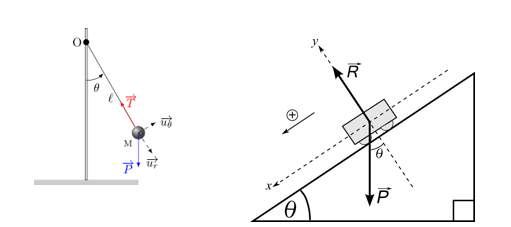
Aim of the Module
- Consolidation of theoretical knowledge acquired in Point Mechanics course (Physics 1) with the application of error calculation.
- Learning and visualization of phenomena linked to classical mechanics.
Recommended Prior Knowledge
It is recommended to have a good command of physical sciences in secondary school.
- Enseignant: LATEFA BETTADJ
- Enseignant: SIDI MOHAMMED FAZIL DIB
The Target Audience: First Year Master
The course Objectives
The students will be able to :
To identify The academic discipline of Women's Writing as an area of literary studies
To label all women writers who plays an important role in literature.
To locate the position of a woman within the literary world.
To point out mainly or exclusively on texts produced by women
The Summary
At first, literature by women was being recorded in Britain as far back as the old age (18th century). There are instances in the 18th century of catalogues of women writers, including George Ballard's Memoirs of Several Ladies of Great Britain Who Have Been Celebrated for their Writing or Skill in the Learned Languages, Arts, and Sciences (1752). Most of this literature was in the form of diaries, autobiographies, letters, protests, stories, and poems. When women noted down, they touched upon experiences rarely suggested by men, and they spoke in different ways about these experiences. They wrote about childbirth, housework, relationships with men, and friendships with other women. They spoke about themselves as girls and as mature women, as wives, mothers, widows, lovers, workers, thinkers, and rebels. They also wrote about themselves as writers and about the unfairness against them and the pain and courage with which they faced it.
However, most women literature before 1800 as Aphra Behn (1640-1689) did not see their writings as a feature of their women’s experience or an expression of it.Writing was not an acceptable profession for women.There were women who were interested in women’s writings, and women writers often knew and praised each other’s works. But all these women as Fanny Burney (1752-1840) were dependent upon men because it was men who were the critics, the publishers, the professors, and the sources of financial support. It was men who had the power to praise women’s works, to bring them to public attention, or to ridicule or to doom them, too often, to obscurity. From about 1750 English women began to make inroads into the literary market place(http://www.encyclopedia.com/), but writing did not become a recognizable profession for women until the 1840s. In 1869, John Stuart Mill claimed that women would have a tough effort to rise above the influence of the male literary tradition. If women’s literature is destined to have a different collective character from that of men, much longer time is necessary than has yet elapsed before it can emancipate itself from the influence of accepted models.