Phytonutrients of Therapeutic and Nutritional Interest - M2S3 - Nutrition & Pathology
Aperçu des sections
-
To introduce the module untitled : "Phytonutrients of Therapeutic and Nutritional Interest" (PhyTNI)
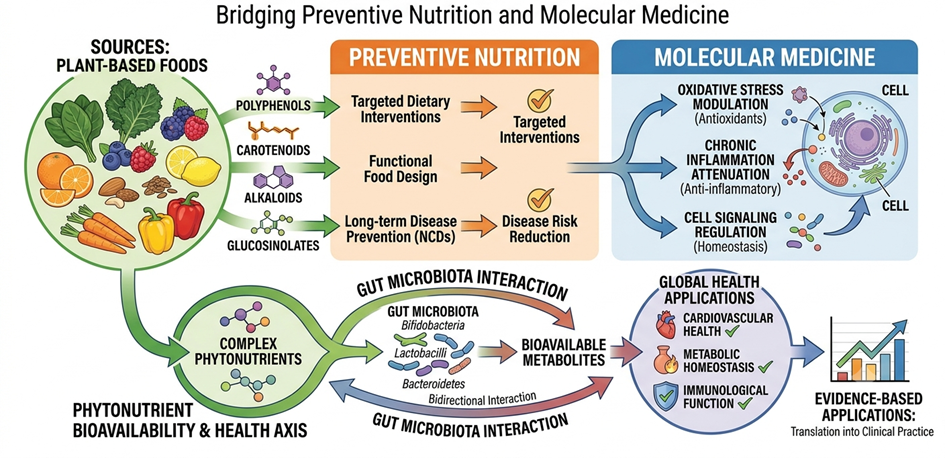
Phytonutrients—bioactive plant-derived compounds including polyphenols, carotenoids, alkaloids, and glucosinolates—have emerged as pivotal mediators at the intersection of preventive nutrition and molecular medicine. Unlike essential macro- and micronutrients, phytonutrients are non-nutritive secondary metabolites that exert profound physiological effects across cellular and systemic pathways.
Extensive mechanistic research demonstrates that these phytochemicals modulate oxidative stress, attenuate chronic low-grade inflammation, and regulate cell signaling networks involved in metabolic, cardiovascular, and immunological homeostasis. Furthermore, their bidirectional interaction with the human gut microbiota—wherein microbial enzymes metabolize complex polyphenols into bioavailable, pharmacologically active metabolites—underscores their expanding role in functional food design and targeted dietary interventions.
As the global burden of non-communicable diseases continues to rise, understanding the therapeutic efficacy, bioavailability, and molecular targets of phytonutrients provides a rigorous foundation for translating traditional plant-based nutritional strategies into evidence-based clinical and preventive applications.
The overall content of this course of PhyTNI is summarized in this figure.
-
This course covers the chemical structures of bioactive plant compounds, their degradation and bio-transformation along the human gastrointestinal tract, and their ultimate systemic bioavailability.
By the end of this course, students will be able to:
Classify major phytonutrient families based on core backbone structures and functional groups.
Trace the passage and metabolic conversions of phytochemicals from ingestion to hepatic clearance.
Evaluate the role of gut microbial enzymes in converting complex native glycosides into bioactive aglycones and secondary metabolites.
1. Structural Architecture & Classification
1.1 Polyphenolic Compounds
Flavonoids: Core C_6-C_3-C_6 skeleton (flavonols, flavones, flavan-3-ols, anthocyanins, isoflavones). Glycosylation vs. aglycone forms.
Non-Flavonoids: Hydroxybenzoic and hydroxycinnamic acids (e.g., gallic acid, chlorogenic acid), stilbenes (e.g., resveratrol), and polymeric tannins (condensed vs. hydrolysable).
1.2 Isoprenoids & Terpenoids
Carotenoids: Carotenes (beta-carotene, lycopene) vs. Xanthophylls (lutein, zeaxanthin); cis/trans isomerism and lipophilicity.
1.3 Nitrogen- & Sulphur-Containing Phytochemicals
Glucosynolates: Core structure, myrosinase-mediated cleavage products (isothiocyanates, indoles).
Alkaloids: Basic heterocyclic ring systems (purine, indole, piperidine architecture).
2.1 Food Matrix Release (Bioaccessibility)
Liberation during mastication and gastric digestion; effects of food processing and lipid co-ingestion on lipophilic compounds.
2.2 Gastric & Intestinal Stability
pH-dependent stability (e.g., degradation of anthocyanins in alkaline intestinal environments).
3.1 Intestinal Absorption & First-Pass Metabolism
Active vs. passive transport across the apical membrane.
Hydrolysis of glycosides via Lactase-Phlorizin Hydrolase (LPH) or Cytosolic $\beta$-Glucosidase (CBG).
3.2 Phase I & Phase II Xenobiotic Transformations
Enterocyte & Hepatocyte Phase II Conjugation: Glucuronidation (UGTs), sulphation (SULTs), and methylation (COMT).
Impact of conjugation on physiological activity and plasma half-life.
3.3 Gut Microbiota Biotransformation
Microbial ring fission, dehydroxylation, and demethylation of non-absorbed polyphenols.
Generation of colonic catabolites (e.g., urolithins from ellagitannins; valerolactones from flavan-3-ols; equol from daidzein).
3.4 Systemic Circulation, Tissue Distribution & Excretion
Biliary reabsorption (enterohepatic circulation) and urinary excretion routes.
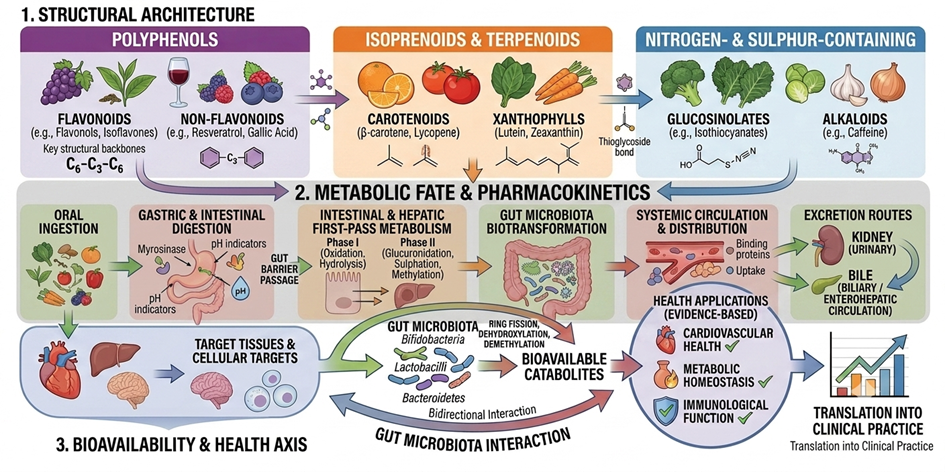
Figure 2 : Structural architecture and metabolic fate of phytonutrients
4. Recommended References for students- Rowland, I., et al. (2018). Gut microbiota and health: how may prebiotic fibres and phytochemicals contribute?European Journal of Nutrition, 57(1), 1–24. DOI:
10.1007/s00394-017-1565-1 - Kay, C. D., Pereira-Caro, G., Ludwig, I. A., Clifford, M. N., & Crozier, A. (2017).Anthocyanins and flavan-3-ols: Gut microbiota-targeted phytochemicals.Free Radical Biology and Medicine, 111, 28–45. DOI:
10.1016/j.freeradbiomed.2017.03.020 -
This chapter presents a revised chemical taxonomy of plant metabolites, tracing their evolutionary transition from ecological defence mechanisms to modern biomedical applications. It explores the structural diversity of major phytochemical classes, including the extensive polyphenol family (phenolic acids, flavo-derivatives, stilbenoids, and lignans) alongside the isoprenoid lineage, spanning basic isoprene units to phytosterols and carotenoids. Finally, it highlights the therapeutic potential of organosulphur compounds characteristic of Brassicales and Alliaceae, as well as nitrogenous metabolites of pharmacological interest.
-
These biomolecules form an adaptive interface connecting the plant genome to its environment, while offering significant prospects in clinical pharmacology (Cai et al., 2025). Beyond their ecological role in plant defence, their characterisation enables the discovery of novel bioactive molecules for therapeutic purposes (Murray et al., 2023; Bhutia et al., 2025).
a) From an Ecological Role to an Evolutionary Engine
The emergence of secondary metabolites marked a key milestone in the terrestrial colonisation of plants 470 million years ago, enabling them to overcome environmental stressors and pest pressures through adaptive coevolution (Li et al., 2024). This biochemical plasticity relied on gene duplications and major enzymatic neo-functionalisations, particularly within cytochromes P450 and methyltransferases (Sethi et al., 2022; Shen & Li, 2023). These genetic innovations consequently drove the diversification and branching of novel biosynthetic pathways. , (Figure 1).
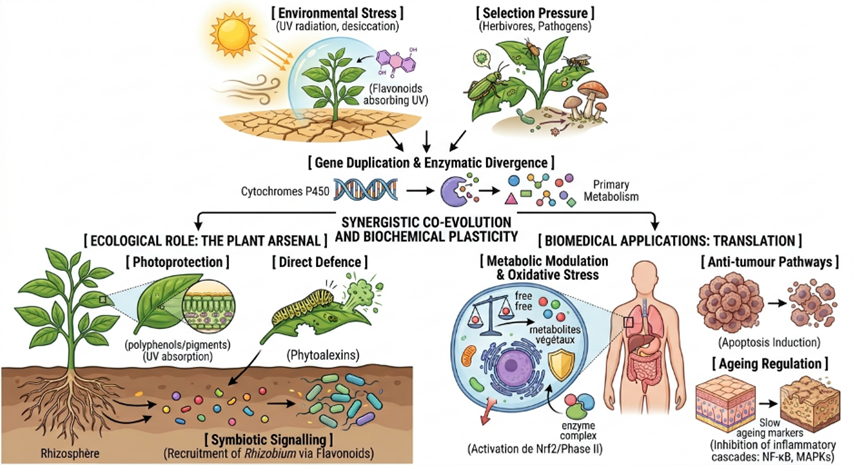
Figure 1 : Evolutionary origins and biomedical translational applications
of plant specialized metabolites
At the ecosystem level, these specialized biomolecules perform three major functions:
· Direct and indirect defence: Deployment of preformed (phytoanticipins) and inducible (phytoalexins) compounds against pests, alongside the emission of volatiles to recruit natural predators (Shen et al., 2018).
· Physical and hydric protection: Photoprotective action absorbing harmful radiation, mitigation of drought stress, and cellular wall reinforcement through lignification (Chandrashekar et al., 2023).
· Rhizospheric regulation: Facilitation of nitrogen-fixing symbioses via root exudation and inhibition of neighboring plant competition through allelopathy (Oksana et al., 2023).
b) Biomedical Translation and Pleiotropy
Unlike single-target synthetic drugs, plant-derived natural substances act pleiotropically across multiple cellular networks (Newman & Cragg, 2020). This multi-level response is orchestrated through three major axes:
· Anti-inflammatory: Inhibition of the NF-kappaB and MAP-kinase pathways (Guo, C. et al., 2020).
· Antioxidant: Activation of the Nrf2/ARE pathway driving Phase II detoxification enzymes (Tonelli et al., 2018).
· Anticancer: Modulation of autophagy and apoptosis within the tumour microenvironment (Denton & Kumar, 2019).
-
2.1.2 The Diversity of Polyphenols: Phenolic Acids, Flavonoids, Stilbenoids and Lignans
Encompassing a wide diversity of molecular architectures, phenolic compounds represent some of the most widespread specialised products in the plant kingdom. Their fundamental structure comprises at least one benzene ring substituted with hydroxyl groups. These molecules are predominantly generated via the phenylpropanoid pathway, initiated by the deamination of L-phenylalanine by phenylalanine ammonia-lyase (PAL), or alternatively through the shikimate pathway (Table 1) (Figure 2).
Table 1: Classification of phenolic compounds (Rudrapal & Khan, 2025; Sun & Shahrajabian, 2023; Bononi et al., 2022)
Chemical Class
Carbon skeleton/Structure
Représentative examples
Major bio-functionalities
Hydroxybenzoïc acids
C6-_C1
(Benzene ring substituted with a carboxyl group)
Gallic acid, Vanillic acid, Protocatechuic acid
- Antioxidant capacity and reactive oxygen species (ROS) scavenging
- Antibacterial and cytoprotective activity
Hydroxycinnamic acids
C_6-C_3
(Benzene ring bound to a propenoic side chain)
Caffeic acid, Ferulic acid, Chlorogenic acid
- Inflammation modulator (inhibition of the NF-kappaB pathway)
- Regulation of carbohydrate and lipid homeostasis
Flavonoids
C_6-C_3-C_6
(Two aromatic rings A and B linked by a 3-carbon heterocycle C)
Quercetin, Kaempferol, Catechin (Flavan-3-ols)
- Activation of the ARE antioxidant pathway
- Vasoprotective, anti-atherogenic, and antiallergic effects
Anthocyanins
C_6-C_3-C_6
(Water-soluble and pigmented cationic flavylium form)
Cyanidin, Delphinidin, Malvidin
- Microvascular and ophthalmic protection
- Positive modulation of the gut microbiota (prebiotic-like effect)
Stilbenes
C_6-C_2-C_6
(Two aromatic rings linked by an ethenylene/ethene bridge)
Resveratrol, Pterostilbene
- Activation of sirtuins (SIRT1) and autophagy
- Cardioprotective and cardiopreventive properties
Lignans
(C_6-C_3)_2
(Phenylpropanoid dimers linked via their central carbons)
Secoisolariciresinol, Matairesinol
- Phytoestrogenic activity (modulation of ER-alpha/beta receptors)
- Prevention of metabolic and hormone-dependent disorders
Polymers & Tannins
Polymers (C_6-C_3-C}_6)_n
or high-molecular-weight gallic acid derivatives
Proanthocyanidins (Condensed tannins), Ellagitannins
- Astringent properties and chelation of transition metals
- Precursors of active metabolites (urolithins) via the colonic microbiota
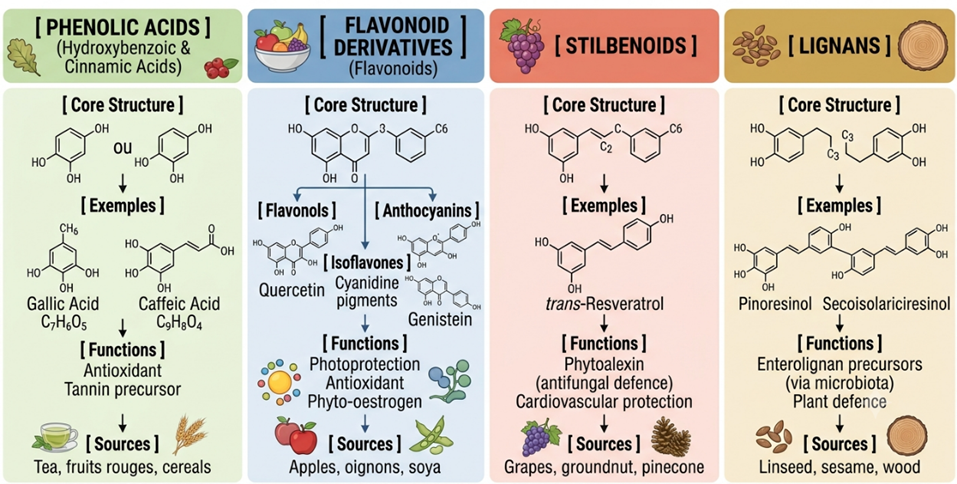
Figure 2. Structural and functional classification of the four main categories of plant polyphenols.
a) Structural Classification of Polyphenols
- Phenolic Acids
This landmark review details the structural classification of phenolic acids (hydroxybenzoic and hydroxycinnamic derivatives) as well as their occurrence in condensed or conjugated forms. They are divided into two main skeletal subgroups:
· Hydroxybenzoic derivatives (C_6-C_1): Include gallic acid, p-hydroxybenzoic acid, protocatechuic acid and vanillic acid. They are frequently found in condensed forms within hydrolysable tannins (gallotannins and ellagitannins).
· Hydroxycinnamic derivatives (C_6-C_3): More prevalent, including p-coumaric, caffeic, ferulic and sinapic acids. Chlorogenic acid (an ester of caffeic acid and quinic acid) represents a major storage form in many dicotyledons (Figure 2).
- Flavonoid Derivatives (Flavonoids)
These compounds are based on a fundamental C_6-C_3-C_6 diarylpropane backbone, combining two aromatic rings (A and B) linked through a central pyran ring (C). The oxidation state of this intermediate C ring, alongside the attachment position of ring B, determines the categorization into subfamilies:
· - Flavones (e.g. apigenin, luteolin) and Flavonols (e.g. kaempferol, quercetin): Defined by the presence of a C_2=C_3 unsaturation coupled with a ketone group at C_4.
· - Flavan-3-ols (e.g. epicatechin, catechin): Constituent monomers of proanthocyanidins (condensed tannins).
· - Anthocyanidins (e.g. delphinidin, cyanidin): Water-soluble chromogenic chromophores that exist as the flavylium cation structure under acidic conditions.
· - Isoflavones (e.g. daidzein, genistein): Characterised by the migration of ring B to the C_3 carbon, conferring oestrogen receptor modulating properties (phytoestrogens) (Figure 2).
- Stilbenoids
Phenylpropanoid derivatives structured around a 14-carbon 1,2-diphenylethane backbone (C_6-C_2-C_6). Their condensation is catalysed by stilbene synthase (STS) following the assembly of one p-coumaroyl-CoA unit with three malonyl-CoA precursors. trans-Resveratrol and its associated oligomers (notably varepsilon-viniferin) constitute phytoalexins synthesized in response to fungal infections or environmental stressors (Figure 2).
- Lignans
Dimeric structures resulting from the condensation of two phenylpropanoid units (C_6-C_3) linked by an interchain carbon-carbon bond. Exemplified by secoisolariciresinol, matairesinol, and pinoresinol, these compounds contribute to the architectural reinforcement of plant tissues. Following ingestion, they undergo biotransformation by the human colonic microflora into bioactive enterolignans, mainly enterodiol and enterolactone (Figure 2).
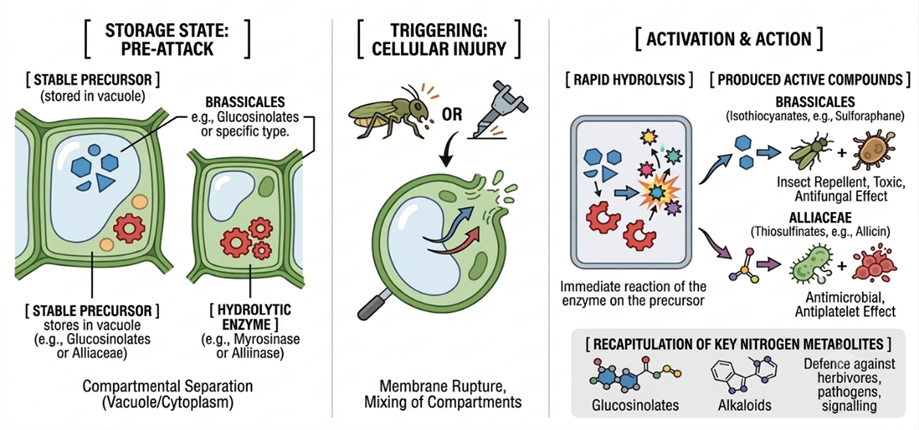
Figure 2. Structural and functional classification of the four main categories of plant polyphenols.
2.1.3 Terpenoids and Phytosterols: From Basic Isoprene to Tetraterpene Carotenoids
Representing the largest and most diverse group of secondary natural products, the isoprenoid class (or terpenes) comprises over 80,000 documented molecules. All of these molecular architectures arise from the sequential condensation of universal five-carbon units (C_5): dimethylallyl diphosphate (DMAPP) and its interconvertible isomer, isopentenyl diphosphate (IPP), (Figure 3).
Figure 3 : The Terpenoid Biosynthetic Pathway: From C5 Isoprene Units to Diterpenes, Triterpenes, and Tetraterpenes
A. Biosynthetic Pathways of Universal Precursors
The production of isopentenyl diphosphate (IPP) and dimethylallyl diphosphate (DMAPP) relies on two complementary and compartmentalised biochemical mechanisms (Figure 4):
- The Mevalonic Acid (MVA) Pathway: Located within the cellular hyaloplasm (cytosol) and the endoplasmic reticulum. Initiated from acetyl-coenzyme A molecules, it drives the formation of fifteen-carbon sesquiterpenes (C_15) and thirty-carbon triterpenes (C_30), notably encompassing plant sterols.
- The 2-C-Methyl-D-Erythritol 4-Phosphate (MEP) Pathway: Takes place exclusively within plastidial organelles. Originating from the condensation of pyruvate and glyceraldehyde-3-phosphate, it provides the backbone for ten-carbon monoterpenes (C_10), twenty-carbon diterpenes (C_20), and forty-carbon tetraterpenes (C_40) .
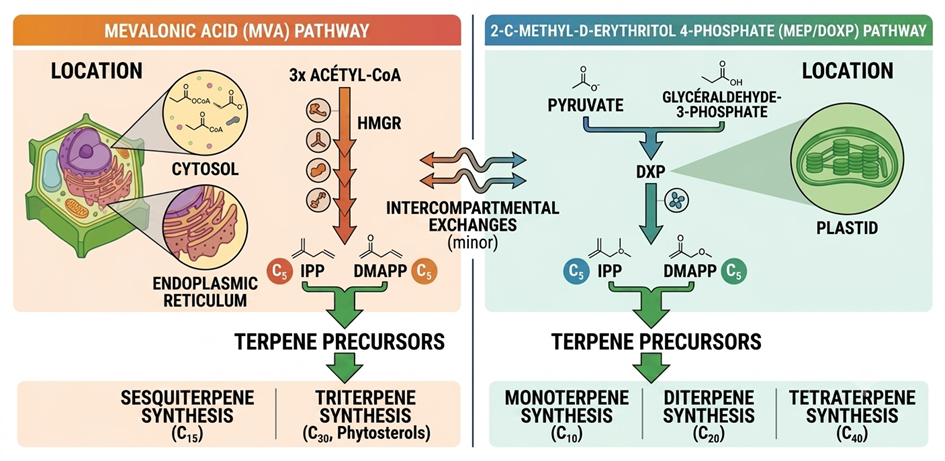
Figure 4 : Compartimentalized biosynthesis of IPP and DMAPP in plants
B. Taxonomic and structural hierarchy of terpenoids:
Monoterpenes (C₁₀) and Sesquiterpenes (C₁₅): Major constituents of plant essential oils.Monoterpenes (C₁₀): Derived from the condensation of geranyl diphosphate (GDP). Their structures include linear (myrcene, linalool), monocyclic (alpha-terpineol, limonene), or bicyclic forms (camphor, alpha-pinene).
Sesquiterpenes (C₁₅): Generated from farnesyl diphosphate (FDP). These include bisabolol and caryophyllene, as well as the subfamily of sesquiterpene lactones (such as artemisinin), renowned for their marked antiproliferative and immunomodulatory properties.
Diterpenes (C₂₀): Derived from geranylgeranyl diphosphate (GGDP). They include plant hormones like gibberellins as well as complex therapeutic molecules such as forskolin and paclitaxel.
Triterpenes (C₃₀): Produced from squalene cyclisation via oxidosqualene cyclase (OSC). They yield phytosterols (e.g. $\beta$-sitosterol, campesterol, stigmasterol) which stabilise plant membranes and competitively inhibit human intestinal cholesterol absorption.
Carotenoid Tetraterpenes (C₄₀)
Carotenoid tetraterpenes (C₄₀) are lipophilic pigments formed from the condensation of two GGDP precursors following successive desaturations of initial phytoene:
Classification: Comprise non-polar hydrocarbon carotenes (e.g. lycopene, $\beta$-carotenoid) and oxygenated xanthophylls (e.g. lutein, astaxanthin).
Biological Function: In addition to light harvesting in photosynthesis, they serve as vital photoprotectors by scavenging singlet oxygen ($^1\text{O}_2$) to prevent photo-oxidative damage.
2.1.4 Organosulfur Compounds and Nitrogenous Metabolites
a) Specialised Organosulfur CompoundsOrganosulfur derivatives act as two-component biochemical defence systems. An inert precursor is kept compartmentalised away from a lytic enzyme, coming into contact only when tissue damage (such as pest chewing or physical injury) breaks the cellular barrier.
Glucosinolates of Brassicales:
- Enzymatic Activation
Following physical damage to cellular structures, myrosinase (beta-thioglucosidase) cleaves the carbohydrate moiety of the glucosinolate. The resulting unstable aglycone (thiohydroximate-O-sulphonate) undergoes spontaneous chemical rearrangement to yield several biologically active derivatives, such as isothiocyanates—notably sulforaphane derived from glucoraphanin—nitriles, and thiocyanates (Figure 4).
- Biomedical Properties
Sulforaphane acts as a potent activator of the cellular detoxification system (phase II enzymes, including GST and NQO1) by stimulating the release and nuclear translocation of the transcription factor Nrf2 following its dissociation from Keap1.
- Thiosulphinates and S-alk(en)yl-L-cysteine sulphoxides in Allium Species
- Cellular Disruption and Transformation Cascades: When tissue integrity is damaged, alliin comes into contact with the enzyme alliinase. This triggers the synthesis of allicin (diallyl thiosulphinate); an unstable metabolite responsible for the pungent aroma and strong antimicrobial activity. Allicin rapidly degrades into secondary organosulphur compounds, including diallyl sulphide, diallyl disulfide, and ajoene.
- Cardiovascular Effects and Mechanisms : These organosulphur derivatives prevent platelet aggregation, inhibit hepatic cholesterol anabolism by targeting the key enzyme HMG-CoA reductase, and stimulate vascular relaxation through the production of an endothelial gaseous mediator, hydrogen sulphide (H_2S).b) Nitrogenous metabolites encompass diverse chemical structures containing nitrogen atoms in various oxidation states:
Alkaloids: Heterogeneous compounds synthesized from amino acid precursors such as tyrosine or tryptophan.
Cyanogenic Glycosides: Defence molecules that release toxic hydrogen cyanide (HCN) upon cellular breakdown to protect plants against herbivores and pathogens (Figure 6).
Alkaloids
1. Alkaloids Derived from L-Tyrosine and L-Ornithine/L-Lysine
Alkaloids are nitrogenous heterocyclic organic metabolites classified according to their initiating amino acid. L-Tyrosine yields isoquinolines (e.g. berberine), which stimulate AMPK to regulate cellular energy, whereas L-ornithine and L-lysine produce tropane rings (e.g. atropine, scopolamine) acting as selective blockers of muscarinic acetylcholine receptors (Figure 6).
2. Alkaloids Derived from L-Tryptophan and Pseudo-alkaloids
Originating from L-tryptophan, the complex indole family (e.g. vinblastine, vincristine) targets tubulin to inhibit mitosis in oncology. By contrast, pseudo-alkaloids (e.g. solanidine from potatoes) are distinguished by a terpene-derived skeleton into which the nitrogen atom is incorporated late in synthesis, rather than deriving from a classical amino acid precursor (Figure 6).
Cyanogenic Glycosides
Cyanogenic glycosides are glycosidic esters of alpha-hydroxynitriles synthesised from amino acids; such as amygdalin in Rosaceae or linamarin in cassava; that are maintained in an inert form (Yulvianti et al., 2023). Upon physical damage, their cleavage by beta-glucosidases and hydroxynitrile lyases releases hydrogen cyanide (HCN), a mitochondrial cytochrome c oxidase inhibitor that acts as a potent chemical shield .
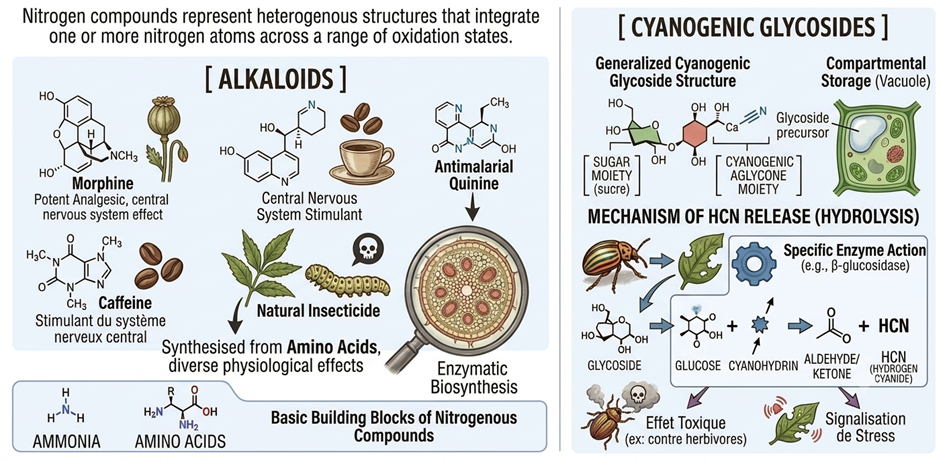
Figure 6 : The two-phases phase defence system of organosulphur compounds
(Brassicales & Alliaceae)
-
2.2.Phyto-Pharmacokinetics, Food Matrix, and Vectorisation
Matrix accessibility refers to the degree to which a phytonutrient is released from its original plant physico-chemical network during gastrointestinal transit.
2.2.1 The Concept of Matrix Accessibility and Intraluminal Release
This physical and enzymatic breakdown within the intestinal lumen is the essential prerequisite for the solubilisation, bioaccessibility, and subsequent absorption of the bioactive compound.
2.2.2 Phase I/II Biotransformations and the Impact of Hepatic First-Pass Effect
Following enterocyte transit, phytonutrients undergo extensive hepatic first-pass metabolism combining Phase I functionalisation (oxidation, hydrolysis via CYP450s) and Phase II conjugation (glucuronidation, sulphation, methylation). These enzymatic modifications drastically alter the structure of the native metabolites, reducing the unchanged fraction entering systemic circulation while generating conjugated derivatives with distinct pharmacological properties.
2.2.3. Colonic Biotransformation and Generation of Postbiotics
The microbiota–phytochemical axis relies on the selective metabolisation of inactive polyphenolic precursors (such as ellagitannins or daidzein) by the colonic microflora. This enteric biotransformation generates bioaccessible molecules termed postbiotics or retro-activated prodrugs, such as urolithins and equol.
a) Physico-Chemical Properties and Systemic Effects
Compared to parent structures that are highly polymerised and poorly absorbed in the small intestine, these catabolites possess increased lipophilicity and enhanced systemic bioavailability. This enables them to exert major anti-inflammatory, antioxidant, and immunomodulatory effects.
b) Individual Metabotypes and Precision Nutrition
However, this biological conversion depends strictly on the specific composition of an individual’s microflora, which defines distinct metabotypes (e.g., urolithin or equol producers). This variability directly governs the bioactivity of plant compounds at the systemic level, paving the way for targeted nutritional interventions in precision health.
2.2.4 Nanotechnologies and Nutraceutical Pharmaceutics: Micelles, Liposomes, and Encapsulation
In Nutrition and Phytochemistry, plant compounds (e.g. green tea polyphenols, sulforaphane from cruciferous vegetables, or resveratrol) are known to modulate or induce the expression of Phase II enzymes (notably via the Nrf2 pathway), thereby enhancing the body's natural capacity to eliminate environmental toxins and carcinogens (Figure 7).
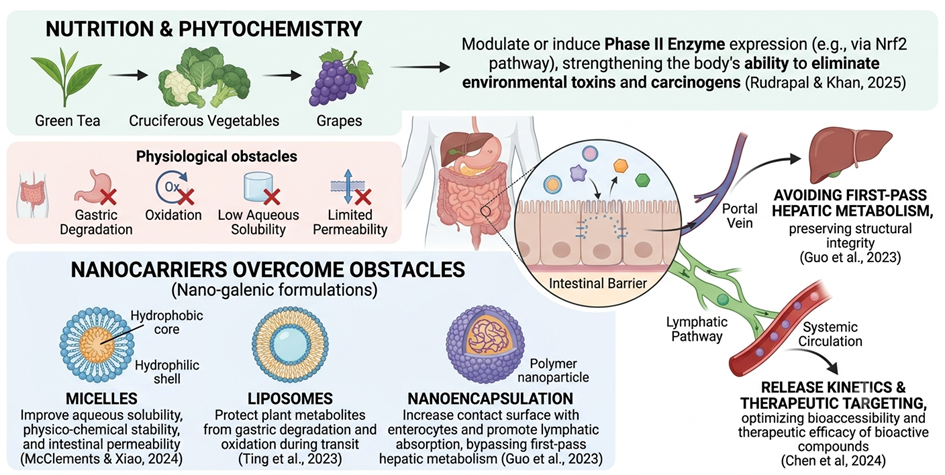
Figure 7 : Nanotechnologies and Nutraceutical Pharmaceutics
Enhancement of Physico-Chemical Properties and Permeability
Nano-formulations overcome the major physiological barriers of phytonutrients by improving their aqueous solubility, physico-chemical stability, and intestinal permeability (McClements & Xiao, 2024).
Encapsulation and Gastrointestinal Protection
The assembly of nanometric carriers; such as micelles, nanoemulsions, amphiphilic liposomes, or polymeric nanoencapsulation; protects plant metabolites against gastric degradation and oxidation throughout gastrointestinal transit.
Lymphatic Absorption and Avoidance of Hepatic First-Pass Metabolism
By increasing the contact surface area with enterocytes and promoting lymphatic absorption, these nanocarriers bypass intermediate hepatic degradative metabolism. Preventing the hepatic first-pass effect thus preserves the structural integrity of the active compound prior to its entry into the systemic circulation.
Release Kinetics and Therapeutic Targeting
This tissue targeting and rigorous control over release kinetics optimise bioaccessibility while maximising the therapeutic efficacy of bioactive compounds.
- Abbas, F., Zhou, Y., O’Neill, K. C., & Dudareva, N. (2023). Monoterpene biosynthesis and engineering in plants. Plant Communications, 4(6), Article 100650. https://doi.org/10.1016/j.xplc.2023.100650 (PMID : 37430335)
- Akiyama, R., Umemoto, N., & Mizutani, M. (2023). Recent advances in steroidal glycoalkaloid biosynthesis in the genus Solanum. Plant Biotechnology, 40(3), 185–191. https://doi.org/10.5511/plantbiotechnology.23.0717b; PMID 38293253
- Bhambhani, S., Kondhare, K. R., & Giri, A. P. (2023). Diversity, biosynthesis, and therapeutic potential of plant alkaloids: A comprehensive review. Fitoterapia, 164, Article 105380. https://doi.org/10.1016/j.fitote.2022.105380 (PMID : 36450321)
- Bhandari, S. R., Rhee, J. H., & Lee, J. G. (2024). Mechanical tissue damage and herbivore-induced release of volatile organosulfur defense compounds in brassica and allium crops. Plant Physiology and Biochemistry, 194, 215–228. https://doi.org/10.1016/j.plaphy.2023.11.015(PMID : 38043321)
- Bhatia, A., Sharma, D., Mehta, J., Kumarasamy, V., Begum, M. Y., Siddiqua, A., Sekar, M., Subramaniyan, V., Wong, L. S., & Mat Rani, N. N. I. (2025). Probiotics and Synbiotics: Applications, Benefits, and Mechanisms for the Improvement of Human and Ecological Health. Journal of multidisciplinary healthcare, 18, 1493–1510. https://doi.org/10.2147/JMDH.S501056
-
-
-
-
-
-
-
-