SCIENTIFIC ENGLISH (TIC)
Aperçu des semaines
-
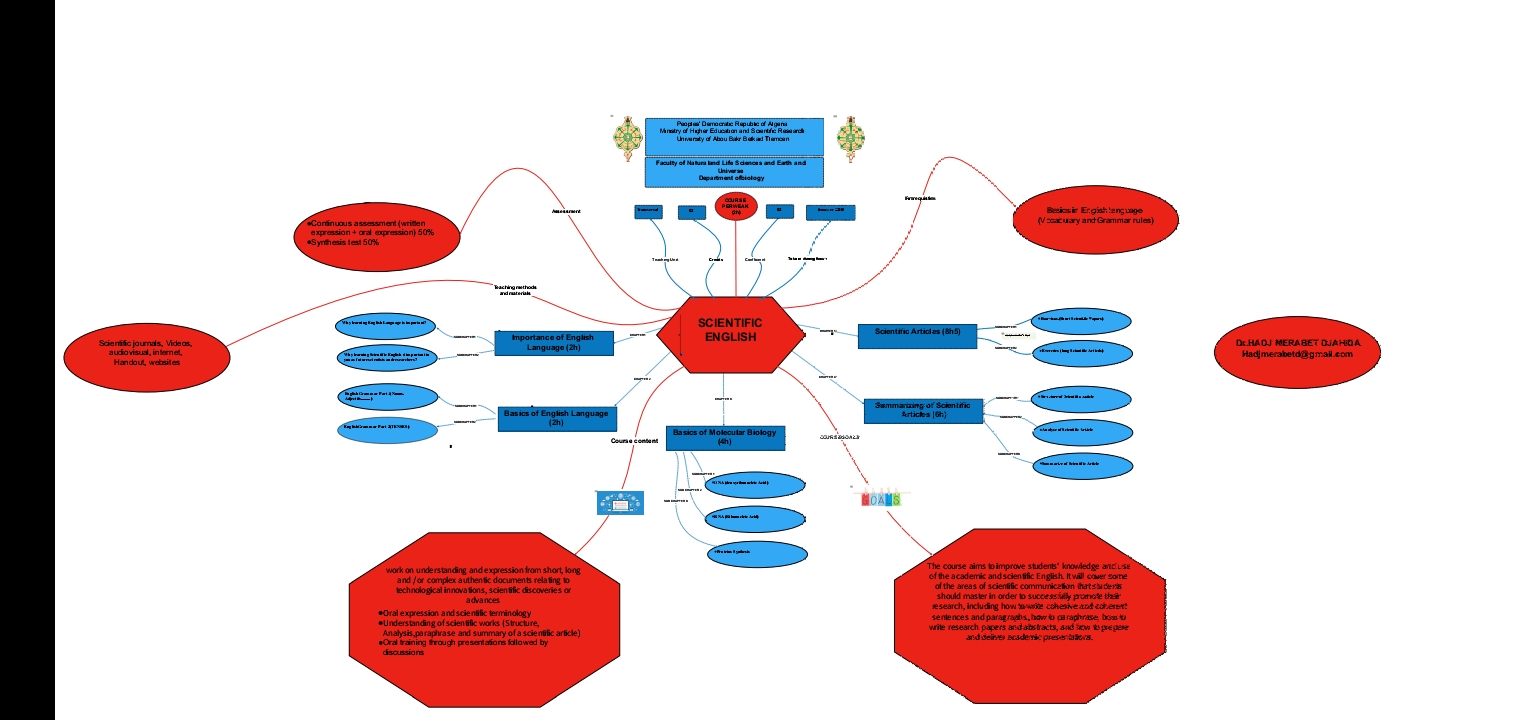
 In the last century, the number of scientific papers written in English has started to outweigh the number of papers written in the native language of the researcher. For this reason, having a knowledge of English is incredibly important to those working in the scientific field.The use of English as an international language of science is by now well documented and very important .SCIENTIFIC ENGLISH course work on understanding and expression from short, long and / or complex authentic documents relating to technological innovations, scientific discoveries or advances
- Oral expression and scientific terminology
- Understanding of scientific works (Structure, Analysis,paraphrase and summary of a scientific article)
- Oral training through presentations followed by discussions
-

University of Abou Bakr Belkaid Tlemcen
Faculty : Natural and Life Sciences and Earth and Universe
Department :Biology
Lecturer : Dr Djahida HADJ MERABET
Phone Number: 05 53 93 36 53
Email : djahida.hadjmerabet@univ-tlemcen.dz ; hadjmerabetd@gmail.com
Degree : MOLECULAR BIOLOGY 3rd year LicenseTeaching Unit : TransversalCoefficient : 02Credits : 02Total lecturing hours: Semester 22H5 (COURSE PER WEAK (2h))Total Exercice hours: 06HAssessment : Exam (60%) + Continuous Assessment (40%)Availability: Laboratory of Applied Molecular Biology and Immunology
Every Monday From 9a.m to 11a.m
-

At the end of the module, in relation to the subjects covered, the student must be able to:
-Recall and recover previous information concerning the basics of the English language;
-Exchange relatively complex information, negotiate, describe, express and support their opinions
- Give and interpret a short oral presentation, ask and answer questions
-improve their academic English vocabulary and grammar.
- Read, understand, analyze, paraphrase and summarize a scientific text in their academic field
- Write and Publish a Scientific document in English
-Use work techniques in autonomy -

Students must already have
- Basic understanding of the English language (Level B1) in terms of listening , reading comprehension, and writing.
- Basics in English language (Vocabulary and Grammar rules)
-
-
English is the widely spoken and promoted language in the majority of countries around the world. At present, it is the language of authority, especially in the field of international communication and also known as the established language of business and science. Biology students should be proficient in the English language for their academic needs and employability skills. Students will have the opportunity to practice their writing and speaking skills and improve their vocabulary and grammar in academic English.Scientific english allow students to analyze scientific publications written in English in order to do a bibliographic search for a chosen research topic.The lectures will provide theoretical guidelines and principles as well as practical examples from scientific texts and exercises to teach students how to apply the guidelines to their own work.
-

The aims of this course are:
- Provide students with basic Molecular Biology in english
- Provide students with a general understanding of Scientific terminology.
- Understand the particular meaning of Scientific terms.
- Enrich their vocabulary in Scientific and Technical words
Contents of Chapter 02:- Introduction
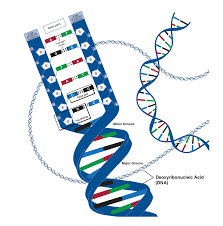
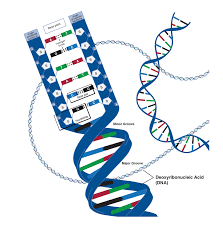
- DNA DEOXYRIBONUCLEIC ACID
- RNA RIBONUCLEIC ACID
- DNA vs. RNA – A Comparison Chart
- PROTEINS SYNTHESIS
- Transcription
- Translation
-
TD CHAPTER 02
-
TD CHAPTER 02
-

At the end of this Chapter , students will be able to ..
- Analyze short and long material (paragraph, text, article and dissertation);
- Synthesize main ideas to make a long production (sentence, paragraph, text);
- Summarize a Scientific paper
- Produce publishable material of a professional standard in English
Contents of Chapter 03
Introduction
I- STRUCTURE OF SCIENTIFIC PAPER
II- SUMMARIZE A SCIENTIFIC PAPER
- READ THE ARTICLE
- Read the article two or three times
- Write notes in the margins in your own words
- Write a one-sentence summary for each section of the article
- WRITE A DRAFT
- Start the introduction with an overview
- Summarize each main point in one sentence
- Give two or three examples
- Explain the research methods
- Describe the results and conclusions
- Conclude the summary
- FINALIZE THE SUMMARY
- Correct mistakes and improve your summary
- Compare your abstract to the original article