Campus Numérique UABT
Search results: 114
Introduce the basics of operating systems, their role in managing computer resources and the mechanisms and techniques used to achieve this.
Target audience : 1st year engineer.
The purpose of the course named "Introduction to Operating Systems 1" is:
To recognize fundamental concepts and components of operating systems.
To distinguish the architecture, functions, and services provided by operating systems.
To develop essential practical skills in Linux/UNIX system usage and management.
To analyze how operating systems manage files, processes, users, and system resources.
To apply foundational command-line operations for file, directory, and user management.
To illustrate the structure and functionality of Linux file systems, including inode concepts and permissions management.
To prepare students for advanced study in operating system internals and administration.
- Dr.: ABDESSAMAD SAIDI
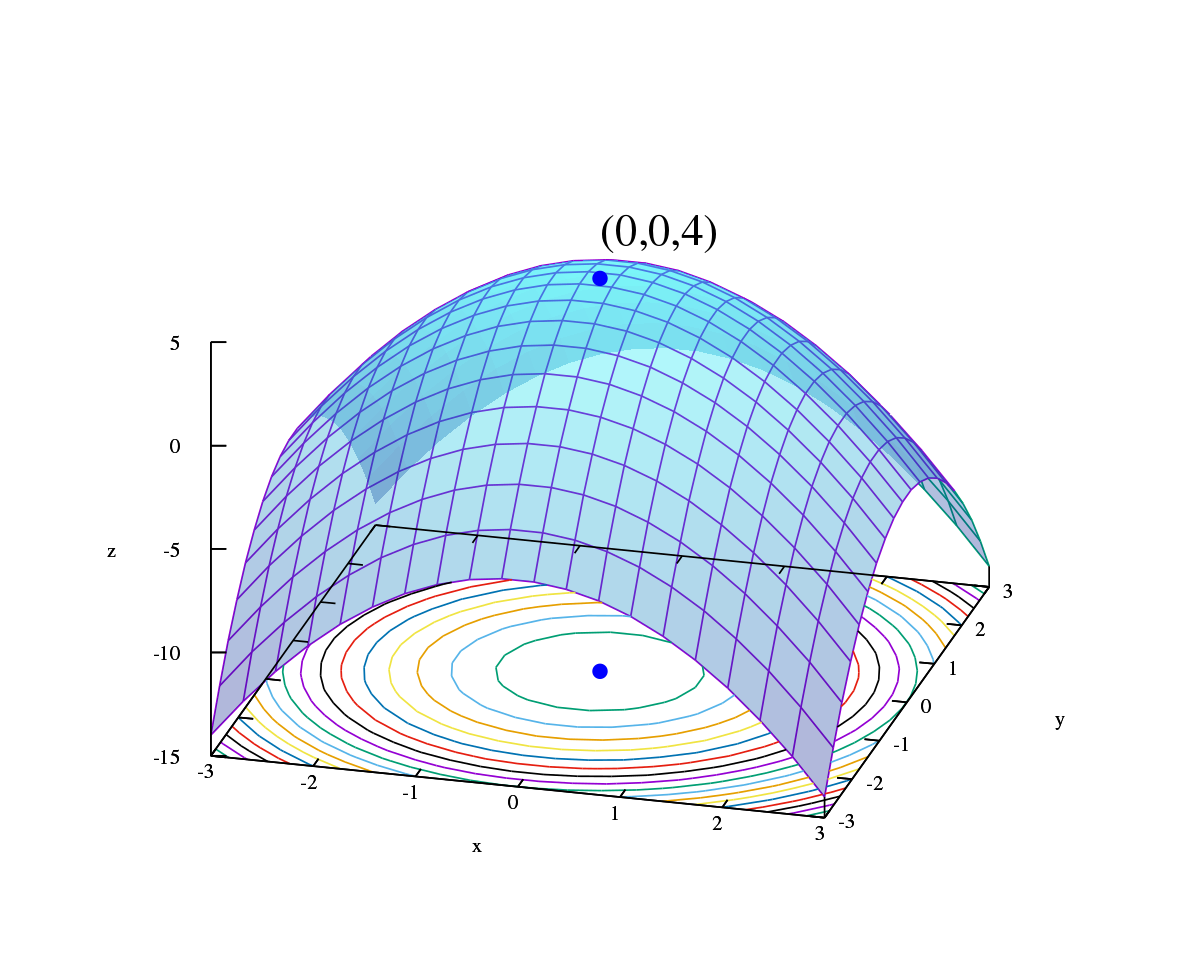
L'optimisation est une approche mathématique pour la recherche de la "meilleure décision/action" à partir d'un "ensemble d'alternatives". Dans la pratique, on part d'un problème concret, on le modélise et on le résout mathématiquement.
Dans le secteur industriel, l'optimisation intervient dans la maximisation du bénéfice de production, la minimisation des coûts du transport, la minimisation du temps de production, l'écart par rapport à une valeur cible...
Mathématiquement, l'optimisation se traduit par la recherche des points du domaine (valeurs des variables de décision) en lequel la fonction étudiée prend la valeur maximale ou minimale. En ces points, la fonction admet un extremum, appelé aussi : optimum. Le plus souvent dans la pratique, les variables de la fonction à optimiser sont soumises à certaines conditions appelées "contraintes". Ces dernières peuvent être exprimées par des égalités ou bien des inégalités. ABC
- Dr.: yassir bensmain
L'optimisation est une approche mathématique pour la recherche de la "meilleure décision/action" à partir d'un "ensemble d'alternatives". Dans la pratique, on part d'un problème concret, on le modélise et on le résout mathématiquement.
Dans le secteur industriel, l'optimisation intervient dans la maximisation du bénéfice de production, la minimisation des coûts du transport, la minimisation du temps de production, l'écart par rapport à une valeur cible...
Mathématiquement, l'optimisation se traduit par la recherche des points du domaine (valeurs des variables de décision) en lequel la fonction étudiée prend la valeur maximale ou minimale. En ces points, la fonction admet un extremum, appelé aussi : optimum. Le plus souvent dans la pratique, les variables de la fonction à optimiser sont soumises à certaines conditions appelées "contraintes". Ces dernières peuvent être exprimées par des égalités ou bien des inégalités.
- Enseignant: yassir bensmain
L’environnement actuel des entreprises est caractérisé par des marchés soumis à une forte
concurrence et sur lesquels les exigences et les attentes des clients deviennent de plus en plus
fortes en termes de qualité, de coût et de délais de mise à disposition. Par conséquent, les
entreprises doivent produire mieux, moins cher et/ou plus vite que leurs homologues afin
d’améliorer leur compétitivité. Dans cette optique, la performance de l’entreprise se construit
selon deux dimensions essentielles : une dimension technologique qui vise à développer les
performances des produits mis sur le marché afin de satisfaire aux exigences de qualité et de
réduction du coût de possession des produits et une dimension organisationnelle qui vise a
développer la performance de l’entreprise en termes de durée des cycles de fabrication,
respect des dates de livraison prévues, etc. Cette dernière joue un rôle très important, dans la
mesure où les marchés sont de plus en plus variables et évolutifs et exigent des temps de
réponse des entreprises de plus en plus courts. Pour satisfaire les besoins des clients, l’organisation repose sur la mise en oeuvre d’un ensemble de fonctions, parmi lesquelles la
fonction d’ordonnancement joue un rôle prépondérant.
Ce cours intitulé « Ordonnancement de la production» destiné aux étudiants de licence,
spécialité «Génie Industriel» constitue une introduction aux problèmes d’ordonnancement
dans les systèmes de production, ce cours englobe diverses notations et définitions essentielles
pour aborder les problèmes problèmes d’ordonnancement rencontrés dans les systèmes de
production réels. Il contient aussi quelques définitions de la complexité des problèmes
d’optimisation combinatoires, dont les problèmes d’ordonnancement font partie.

La pharmacologie expérimentale constitue une discipline fondamentale de la formation pharmaceutique, centrée sur l'étude des mécanismes d'action des médicaments par des approches méthodologiques rigoureuses et des protocoles de recherche contrôlés. Ce cours vise à développer vos capacités d'analyse critique en explorant la relation entre les structures moléculaires et les réponses physiologiques observées, tout en vous initiant à l'interprétation des données expérimentales nécessaires à l'évaluation de l'efficacité et de la sécurité des traitements. À travers une combinaison de ressources théoriques et d'activités pratiques, cet espace de travail vous accompagne dans la maîtrise des techniques indispensables pour traduire les concepts pharmacodynamiques en applications cliniques concrètes.
Visées du cours:
Définir les principes du screening pharmacologique (primaire, secondaire et haut débit).
Distinguer, à partir d'exemples concrets, une réponse qualitative d'une réponse quantitative.
Comparer les méthodes de découverte d'un médicament : l'approche empirique traditionnelle versus la modélisation informatique moderne.
Justifier le choix d'un modèle expérimental et d'un type de modèle pour une recherche donnée.
- Enseignant: AMINA BERRADIA
- Enseignant: souad guendouz
5. Weak Forms
5.1 Introduction
There are a number of well-known English words (just about 40) that can be pronounced in two different ways called strong forms and weak forms.
eg: I [wəz] `there vs. Yes, I [`wɒz]
These words belong to a category called grammatical words or function words (auxiliaries, modals, prepositions, conjunctions, articles, pronouns...) as opposed to lexical words or content words (verbs, nouns, adjectives, adverbs and question words).
Function words are frequently pronounced in their weak forms but only the strong form is acceptable in certain contexts.
5.2 Contexts
1- In the end of a sentence for auxiliaries, modals, and prepositions.
e.g. I’m `fond of [əv] `chips vs. It is `chips that I’m `fond of [ɒv].
e.g. Can [kən] I help you? Yes, you `can [kæn].
2-When two function words are contrasted (and thus emphasized).
e.g. The letter is `from [frɒm] him not `to [tu:] him.
3-When a function word is given stress for emphasis.
e.g. You `must [mʌst] decide now.
NB: Weak form words beginning with ‘h’ (he, her, his, have) are pronounced with [h] in the beginning of a sentence. But, ‘h’ is dropped elsewhere in the sentence.
e.g. Her `car was `damaged [hə `ka: wəz `dæmɪdʒd].
I said her car was damaged [I `sed ǝ `ka: wǝz `dæmɪdʒd].
Strong form of `her’ > I said `her car not yours! [I sed `hɜ: `ka: nɒt `jɔ:z].
e.g. He has done it! [hi əz `dʌn ɪt] – I know he has. [aɪ `nəʊ ɪ `hæz].
· In weak forms, the general rule is the weakening of the realisation of the phoneme in question.
1- Difference of vowel sound, i.e,. any vowel becomes a schwa. V → [ǝ]
e.g. /bʌt/ → [bǝt] ; /hæv/ → [hǝv] ; /f ɔ:/ → [fə] .
2- Difference of vowel length, i.e. long vowel becomes short vowel VV → V
e.g. / hi: /→ [hi] - /ju:/ → [ju]
3- Absence of sound ‘h’.‘h’. /h/ → [Ø]
1- v →[ǝ]
1-‘The’ /i: /, [ðǝ], e.g. shut the door [ʃʌt ðə `dↄ:]. Before vowels, eg.the end [ði `end]
2-‘A’ /eɪ/, [ǝ], e.g. read a book [`ri:d ǝ bʊk]. Before vowels, eg. an apple [ǝn `æpļ]
3-‘And’ /æ/, [ǝnd], eg. come and see [`kʌm ǝn (d) `si:] or [ņ] after t, d, s, z, ʃ e.g. fish and chips [`fɪʃ ņ `tʃɪps [yes and no] [`jes ņ `nǝʊ] girls and boys [`gɜ:z ņ `bↄɪz]
4-‘But’ /ʌ/, [bǝt], e.g. it’s good but expensive [ɪts `gʊd bǝt ɪks`pensɪv]
5-‘That’ /æ/, [ðǝt] (vs. demonstrative [`ðæt], e.g. That’s the thing that annoys me. [`ðæts ðǝ `Ɵɪŋ ðǝt ǝ`nↄɪz mi].
6-‘Than’ /e/, [ðǝn] e.g. Better than ever [`betǝ ðǝn `evǝ]
7-‘your’ /ↄ:/, [jǝ], e.g. Take your time [`teɪk jǝ `taɪm]
NB before vowels ‘r’ is realized, e.g. on your own [`ɒn jǝr `ǝʊn]
8-‘Them’/e/, [ðǝm], e.g. Leave them here [`li:vðǝm `hɪǝ]
9-‘Some’ /ʌ/, [sǝm], e.g. Have some more [`hævsǝm `mↄ:]
10-‘There’ /eǝ/,[ðə] , e.g. There should be a rule [ðǝ `ʃʊd bi ǝ `ru:l]
NB: before vowels: there is [ðǝr ɪz]
11-‘Can’
/æ/, could /ʊ/ → [ǝ] e.g. They can wait
[’ðeɪ kǝn `weɪt] You could have done it [ju kǝd ǝv `dʌn it].
12- Have, has, had, /æ/, [ǝ] e.g. Which one have you seen? [`wɪtʃ `wʌn ǝv ju `si:n]
13- Am /æ/, are /a: /, was /ɒ/, were /ɜ:/ → [ǝ]
e.g. He was here a minute ago [hi wǝz `hɪǝr ǝ `mɪnɪt ǝ`gǝʊ]
What am I doing? [`wɒtǝmaɪ`du:ɪŋ]
They were late [`ðeɪ wǝ `leɪt]
NB: In final position: æm, a:,wɒz, wɜ:
e.g. They weren’t as young as we were [ðeɪ `wɜ:nt ǝz `jʌŋ ǝz wi `wɜ:]
14- ‘Shall’ /æ/ → [ʃǝl]-[ʃļ ] ; Should / ʊ/ → [ʃǝd]
e.g. We shall need to hurry [wi ʃ ļ `ni:d tǝ `hʌri]. You should do it [ju ʃǝd `du: ɪt].
15- ‘Must’ /ʌ/, [mǝst], e.g. You must try [ju mǝs `traɪ]
16-‘At’ /æ/, [ǝt], e.g. See you at lunch [`si: ju ǝt `lʌntʃ]
In final position: What are you looking at? [æt], e.g. [`wɒt ǝ ju `lʊkɪŋ `æt]
17-‘Us’ /ʌ/, [ǝs], e.g. all of us [`ↄ:l ǝv ǝs]
18- ‘From’ /ɒ/, [frǝm]; I think it comes from outside [aɪ `Ɵɪŋk ɪt `kʌmz frǝm aʊt`saɪd] But in final position it is [frɒm] ; Where do you come from? [’weǝ dǝ ju `kʌm `frɒm]
19-‘Of’ /ɒ/, [ǝv], e.g. Most of all [`mǝʊst ǝv `ↄ:l]. Final position: [`ɒv]
20-‘To’ /u:/ [tǝ]; to go [tǝ `gǝʊ] but: [tu] before vowels, e.g. to Algiers [tu `a:ldʒɪǝz]
21-‘As’ /æ/, [ǝz], e.g. As soon as possible [ǝz `su:n ǝz `pɒsɪbļ]
22-‘For’ /ↄ:/ [fǝ]; It’s quite hard for me [ɪts `kwaɪt `ha:d fǝ mi] ; It’s quite hard for us [ɪts `kwaɪt `ha:d fǝr ǝs].
23- do, does /u: /, /ʌ/ → [dǝ], [dǝz], e.g. What do they want? [`wɒt dǝ ðeɪ `wɒnt]
Does it ring a bell to you? [`dǝz ɪt `rɪŋ ǝ `bel tǝ ju].
NB: before vowels [du] e.g., Do all people know? [du ↄ:l `pi:pl `nǝʊ]
2 -/vv/→ [v]
1- She, we, he, me, be, the /i: /→ [i], e.g. Who is she? [`hu: ɪz ʃi]
2- You, to, do /u:/ → [u], e.g. What do you think? [`wɒt dǝ ju `Ɵɪŋk]
3-/h/→ Ø
a- He, his, him, and her, e.g. What is his name? [`wɒts ɪz `neɪm]
Ask her to come [`a:sk ǝ tǝ `kʌm]
b-Have, has, had e.g. We have finished [wi ǝv `fɪnɪʃd]
NB: Auxiliaries and modals never have weak forms in the negative, e.g. She hasn’t finished [ʃi `hæzņt `fɪnɪʃd] ; No I can’t [`nǝʊ aɪ `ka:nt] .
You shouldn’t have done that [ju `ʃʊdņt ǝv `dʌn `ðæt].
- Enseignant: AHMED BACHIR
- Enseignant: LAMIA BENADLA
- Enseignant: AMINA BENGUEDDA
- Enseignant: kamila ghouali
- Enseignant: KHADIDJA HAMMOUDI
- Enseignant: Khedidja hammoudi
- Enseignant: ANISSA KHALDI
- Enseignant: faizafouzia meberbeche
- Enseignant: meriem mengouchi

The mechanics described here relate exclusively to the mechanics of the point(or Mechanics of Particle). In practice, it concerns material objects whose spatial extension is very small: their deformations and the energy linked to their own rotational movement can also be neglected in comparison with the energies involved. Relativistic mechanics is beyond the scope of this presentation and we will only consider motions whose speed is slower than that of light ("classical" mechanics). However, the fundamental principle of dynamics will be given in the relativistic context, since its expression is very simple based on momentum. and we will deduce from it the classically used relations that are Newton's laws. We will assume that a unique time can be defined at any point in space, and that lengths, masses, times and forces are invariant to a change of reference frame. The aim is to be able to relate the movement of a body to the forces applied to it. To do this, we need to relate the forces (the resultant external force) to the acceleration. This is the fundamental principle of dynamics. Next, we will learn how to relate acceleration to speed and position, mathematical operations known as kinematics.
The competency aimed at by this course is to be able to :
· Discover the basic concepts of classical mechanics
· Define the fundamentals of Newtonian physics.
- Dr: AMEL BENMANSOUR

Le module Physique 2 ou Electricité, est consacré aux notions de base de l’électricité générale pour les étudiants de la première année LMD Math. Dans ce module, Quatre chapitres sont programmés.
Dans le premier chapitre intitulé Electrostatique, Nous étudions, dans la première partie, le champ électrique, le potentiel électrique et la force électrique créé par des charges ponctuelles et dans la deuxième partie, le champ et le potentiel électriques sont étudiés pour une distribution continue de charges
Dans le deuxième chapitre, nous utilisons le théorème de Gauss pour étudier les caractéristiques électriques d’une distribution continue de charges présentant une symétrie
Ensuite, dans le troisième chapitre, nous verrons les conducteurs et condensateurs et dans le dernier chapitre sur l’Electrocinétique, nous étudions les circuits électriques
- Enseignant: NADIA DAHMANI
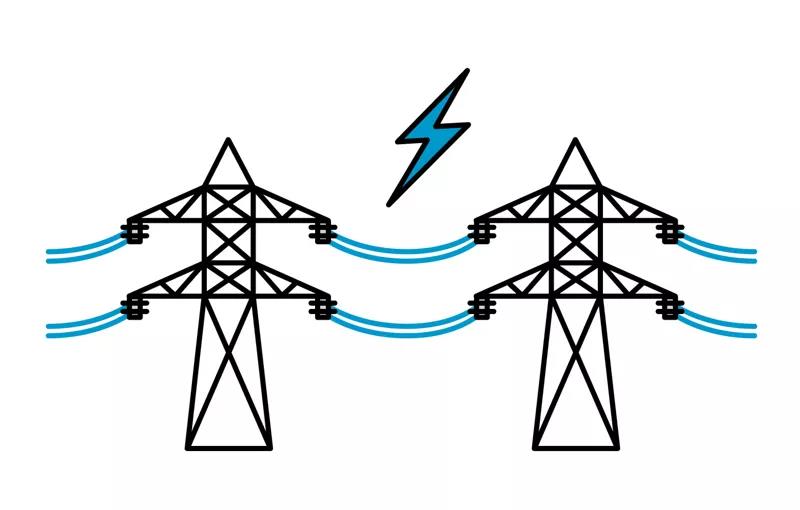 image.png
Introduction
Comprendre ce qu’est l’électricité et son rôle dans notre société constitue un bon premier pas pour étudier notre impact environnemental et trouver des façons de réduire notre empreinte. Pour ce faire, nous devrons avant tout revoir notre relation avec l’électricité et ses sources.
L’électricité est un phénomène naturel qui peut être utilisé pour alimenter de l’équipement et des appareils électroniques. Tout sur la planète est fait d’atomes, et tous les atomes possèdent des électrons. En gros, l’électricité est le flux d’électrons d’un atome à un autre. On appelle ce flux le « courant » (ou « courant électrique »). Les atomes qui s’échangent facilement des électrons s’appellent des conducteurs. Ces conducteurs peuvent être combinés pour nous permettre de contrôler le flux de l’électricité afin de servir nos besoins.
Les sources d’électricité se divisent en deux catégories : les sources renouvelables (comme l’énergie solaire) et non renouvelables (pétrole).
Les trois principales sources d’électricité dans le monde, soit le charbon, le gaz et le pétrole, sont non renouvelables. D’autres sources d’électricité répandues sont le nucléaire, l’hydroélectricité, l’éolien et l’énergie solaire.
Dans ce cours,
nous répondrons à certaines des questions les plus fréquentes sur l’électricité
et nous définirons certains termes couramment utilisés.
Nous donnons aussi les différentes lois (loi d’Ohm, Lois de Kirchoff et loi de Gauss) pour calculer les différentes grandeurs physiques tel que le champ électrique, la force électrique ainsi le potentiel électrique.
- Enseignant: ASMA HADJOU BELAID
- Enseignant: ZAKIA HADJOU BELAID
- Enseignant: AMINA NEGADI
- Enseignant: ABDERRAHMANE BENAMAR
- Enseignant: OMAR MAACHOU
- Enseignant: OMAR TALEB
University: University ofAbou-Bekr Belkaid Tlemcen
Faculty: Letters and Languages
Department:English
Module:Reading Comprehension (RC)
Level:1st Year Students (L1)
Semester: One
Unit Type: UE Méthodologique
Coefficient:02
Credit:04
Class Meeting Time: Monday 14:30 to 16
Class Location: Room 02
Course Period: 1 hour and 30 minutes
Instructor Name: Dr. Assia BENETTAYEB
Email Address: benettayebassia@gmail.com
Office Hours: Thursday at 11:30.
Course Description:
‘Reading Comprehension’ is a course addressed to first year FILA and EFL students
Course Objectives:
- Reading different types of materials
- Practice guided-intensive reading
- Learn and practise reading strategies
- Practice extensive reading.
Prerequisites:
- Reading
- Reading skills
Course Programme (Outline):
Reading Comprehension ‘RC’.
Contents:
I- Sequence One: Literary English.
· Text 1: Literature
· Text 2: Literary Genres in Literature
· Extensive Reading Assignments
II- Sequence 2: Economic Themes in English Literature.
· Text 1: Wealth of Nations
· Text 2: Economic Literature
· Extensive Reading Assignments
III- Sequence Three: Legal English.
· Text 1: Legal Business Company and Partnerships
· Text 2: Company Capitalisation
· Extensive Reading Assignments.
Classroom Policies:
- Intensive reading of short to long selections.
- Reading practice
- Intensive assignments
Evaluation Method: The evaluation of students goes as follow:
- Classroom evaluation (100%) Intensive +extensive works .
- No exam.
Bibliography and Suggested Resources:
· Akdere, Ҫ., & Baron, C. (Eds.). (2017). Economics and Literature: A Comparative and Interdisciplinary Approach (1st ed.). Routledge. https://doi.org/10.4324/9781315231617.
· Austen, J. (1813). Pride and Prejudice [Project Gutenberg eBook].
· Dickens, C. (1854). Hard times: A novel (No. 192). Harper.
· Gilmour, R. (2014). The Victorian period: the intellectual and cultural context of English literature, 1830-1890. Routledge.
· Krois-Lindner, A. (2006). International Legal English. Cambridge University Press.
· Orwell, G. (1945). Animal Farm. Available at: Global Grey ebooks https://www. globalgreyebooks.com/animal-farm-ebook.html)
· Roshni, D (2015). Literature. Available at:https://openurl.ebsco.com/EPDB%3 Agcd%3A7%3A2287 /detailv2?sid=ebsco%3Aplink%3 Ascholar&id=ebsco%3Agcd% 3 A 1 02555389&crl=c)
· Sinclair, U. (1906). The Jungle. Available at: Project Gutenberg: ù=à0https:// www.gutenberg.org/ebooks/140).
· Smith, A. (1950). An Inquiry into the Nature and Causes of the Wealth of Nations,(1776). http://metalibri.incubadora.fapesp.br.
- Enseignant: AHMED BACHIR
- Enseignant: assia benettayeb
- Enseignant: assia benttayeb
REPORTED SPEECH
(EXERCISES)
(By Dr. HEMCHE Hidaya Amina and Dr. HAKEM Hadia)
Ex1: Rewrite the sentences in reported speech.
1. ‘I’ll come and see you on Friday if that’s all right.’
She said ….………………………………………………………………………
2. ‘The conference will be spending a considerable time dicussing the world debt crisis.’
The statement said …………………………………………………………….
3. ‘The shop’s closing in half an hour.’
She explained …………………………………………………………………
4. ‘He’s planning to set up his own business.’
Gareth tells me …………………………………………………………………
5. ‘We’re going to have to make quite a few cutbacks.’
The managing director said …………………………………………………….
6. ‘The police have been investigating new allegtions of fraud.’
A spokesperson said ..…………………………………………………………
7. ‘When the project first started, there was a lot of interest in it.’
She explained to us …………………………………………………………………..
8. ‘It’s pouring with rain down here.’
She told me …………………………………………………………………….
9. ‘I’ll have finished writing the report by the time you get here.’
She promised me ……………………………………………………………….
10. ‘My new computer has made a lot of difference to me.’
She says ……………………………………………………………………….
11. ‘The 8.45 train from Waterloo will be arriving in approximately five minutes.’
The station announcer has just said ……………………………………………
12. ‘When we were setting up the organisation, we had very little money.’
They told me ……………………………………………………………………
13. ‘The club lost quite a lot of money last month.’
The treasurer told the meeting ……………………………………………
14. ‘It will be a very difficult time for all of us.’
He agreed ………………………………………………………………………
15. ‘You work too hard. You should take more time off.’
He told me ………………………………………………………………………
Ex2: Write the following statements into reported speech.
1. ‘The skate will soon be hard enough to skate on,’ said Tom.
……………………………………………………………………..………………………
2. ‘I’m living with my parents at present,’ she said, ‘but I hope to have a flat of my own.’
………………………………………………………………………………………………
3. ‘I wish I had something to eat,’ said Peter. ~ ‘You’ve just had lunch,’ said his sister, ‘I don’t know how you can be hungry again so soon.’
……………………………………………………………………………………………………………………………………………………………………………………………..……
4. ‘If you want to smoke, you’ll have to smoke upstairs,’ said the bus conductor.
………………………………………………………………………………………………
5. ‘Let’s light a fire and cook our sausages over it,’ said the children.
……………………………………………………………………………..…………………
6. ‘I was thinking of going by bus,’ said Paul. ~ ‘I should go by bus (if I were you),’ said his aunt. ‘It’s an awful bad service.’
…………………………………………………………………………………………………
7. ‘You’d better take your own sleeping bags; you may have to sleep out,’ he warned us.
……………………………………………………………………………………………….…
8. ‘I wish we had brought our guitars,’ said the students. ‘Then we could have offered to play in the restaurant and perhaps they would have given us a free meal.’
………………………………………………………………………………………………………………………………………………………………………………………………….…
9. ‘I’m sorry for not having a tie on,’ said Peter. ‘I didn’t know it was going to be a formal party.’
…………………………………………………………………………………………………
10. ‘Let’s go to the races!’ said Ann. ‘We might make our fortunes. I’ve been given a very good tip for the 2.30.’ ~ ‘I’ve ‘good tips’ from you before,’ said Paul. ‘And they were disastrous.’
……………………………………………………………………………………………………………………………………………………………………………………………….……
Ex3: Put the sentences into reported speech, summarizing what was said and using the verbs in the box (an example is provided).
|
Decide - complain - accuse – advise- apologize -offer - persuade - remind- warn-refuse |
1. A: I don’t think you should hand in your resignation immediately. Give yourself more time to think about it.
B: OK. I suppose you’re right. I’ll leave it for a while then.
He persuaded me not to hand in my resignation immediately.
2. ‘I know you’ve got a lot of work to do at the moment. I’ll help you type up that report if you like,’ he said.
………………………………………………………………………………………………
3. ‘No, I’m not going to discuss it with you. I think it’s a waste of time,’ he said.
………………………………………………………………………………….…………
4. ‘I really think I should have been invited to the meeting. I’m very unhappy about the fact that I wasn’t,’ he said.
………………………………………………………………………………………………
5. ‘You’ve been quite ill and you need to recover. I really think you should take it easy for a few days,’ the doctor said.
………………………………………………………………………………………………
6. ‘You must not go near their house again or there will be trouble,’ the police said to him.
……………………………………………………………………………………………… ‘After giving the matter some serious thoughts, we have now reached a final decision. We are going to close down the naval base in two years’ time,’ said the ministry of defence.
…………………………………………………………………………..……………………………………………………………………………..………………………………….
7. ‘Someone’s been reading my diary. I know they have. I found it in the wrong drawer this morning. It was you, wasn’t it ?’, he said.
………………………………………………………………………………………………………………………………………………………………………………..…………
8. ‘Remember that you’ve got to apply for a new passport. Yours is out of date now,’ he said to me.
………………………………………………………………………………………………
9. ‘ I’m really sorry about all the trouble I have caused. I didn’t mean to,’ she said.
……………………………………………………………………………
Ex5: Write the following in reported speech.
1. ‘Where do you think we should advertise?’
He asked me ……………………………………………………………….
2. ‘Are you going to audition for the play?’
Emma asked me ………………………………………………………………
3. ‘How is Laure getting on?’
She often asks me ………………you ………………………………………
4. ‘Shall I ask her out for a meal?’
He’s been wondering …………………………………………………………
5. ‘Why did Matthew look so embarassed when he saw Carole?’
He asked ………………………………………………………………………
6. ‘Must we stay here all evening?’
He asked ………………………………………………………………………
7. ‘What are they doing about publicity for the event?’
She wondered ………………………………………………………………
8. ‘Will you send me the report when it’s finished?’
He asked me …………………………………………………………………
9. ‘Have you brought the student record or not?’ (She asked me)
10. ‘Do you think you could keep your voices down?’
She asked us …………………………………………………………………
11. ‘Where did you buy that hat?’
She wanted to know …………………………………………………………
12. ‘Have you been eating properly?’
The doctor asked me …………………………………………………………
13. ‘Don’t make any noise during the performance?’
They asked us ……………………………………………………………….
14. ‘Were you still teaching music when you met Oliver’
Mike asked me ………………………………………………………………
Ex6: Write the following questions in reported speech.
1. ‘Who has been using my telephone?’ said my mother.
…………………………………………………………………………………
2. ‘What were you doing with these keys?’ said Mr Jones. ‘Were you trying to get at the secret files ?’
………………………………………………………………………………………………… ‘Could I see Commander Smith?’ the lady asked. ~ ‘I’m afraid he’s in in orbit,’ I said. ‘Would you like to leave a message?’
…………………………………………………………………………………………………
3. ‘Would you like to come with us?’ they said. ‘There’s plenty of room in the car.’ ~ ‘I’d love to,’ said Ann.
…………………………………………………………………………………………………
4. ‘Would you mind taking off your hat?’ I said to the woman in front of me. ~ ‘But the theatre is almost empty!’ she said. ‘Why don’t you move along a bit?’
……………………………………………………………………………………………………………………………………………………………………………………………………
5. ‘Have you ever seen a flying saucer?’ he asked.
…………………………………………………………………………………………………
6. ‘Did you catch your train or not?’ he asked.
………………………………………………………………………………………….………
7. ‘Will it be all right if I come in a little later tonight?’ asked the au-pair girl.
…………………………………………………………………………........................………
Ex7: Put the following in reported speech. (commands, requests)
1. ‘Don’t put sticky things into your pockets,’ said his mother.
................................................................................................................................................
2. ‘Please, please, don’t do anything dangerous,’ said his wife.
................................................................................................................................................
3. ‘Could I have some more pudding, please?’ said the boy.
.................................................................................................................................................
4. ‘Do go to the dentist, Tom, before your toothache gets any worse,’ I said.
................................................................................................................................................
5. ‘Would you please fill in this form and then join the queue?’ said the secretary.
....................................................................................................................................................
6. ‘Lend me your pen for a moment,’ I said to Mary.
..................................................................................................................................................
7. ‘Don’t believe everything you hear,’ he warned me.
........................................................................................................................
8. ‘I should say nothing about it if I were you,’ said my mother.
........................................................................................................................
9. ‘Remember to book a table,’ said Ann.
........................................................................................................................
10. ‘Hold the ladder,’ he said. ‘It’s unsteady.’
........................................................................................................................
11. ‘Why don’t you open a bank account?’
.......................................................................................................................
12. ‘You had better not to leave your money lying about,’ said one of the students.
........................................................................................................................
Ex8: Put the following into the indirect speech, avoiding as far as possible the verbs, say, ask and tell and choosing instead from the following:
accept, accuse, admit, advise, agree, apologize, assure, beg, call, (+noun/pronoun+noun), complain, congratulate, deny, exclaim, explain, give, hope, insist, introduce, invite, offer, point out, promise, protest, refuse, remark, remind, suggest, thank , threaten, warn, wish.
1. He said: ‘Don’t walk on the ice ; it isn’t safe.’
…………………………………………………………………………..
2. ‘Miss Brown, this is Miss White. Miss White, this is Miss Brown,’ he said.
…………………………………………………………………………..
3. ‘Here are the car keys. You’d better wait in the car,’ he said to her.
………………………………………………………………………………..
4. ‘Please, please, don’t tell anyone,’ she said. ~ ‘I won’t, I promise,’ I said.
…………………………………………………………………………
5. ‘Would you like my torch?’ I said, holding it out. ~ ‘No, thanks,’ he said. ‘I have one of my own.’
………………………………………………………………………………………………………………………………………………………………………………………………….…
6. Tom: I’ll pay. ~ Ann: Oh no, you mustn’t! ~ Tom: I insist on paying.
………………………………………………………………………………………………...
7. ‘Come in and look round. There’s no obligation to buy,’ said the shopkeeper.
………………………………………………………………………………………….…..
8. ‘If you don’t pay the ransom, we’ll kill the boy,’ said the kidnapper.
…………………………………………………………………………………………..……
9. ‘I won’t answer any question,’ said the arrested man.
………………………………………………………………………………………………….
10. ‘He expects a lot of work for very little money,’ complained one of the typists. ~ ‘Yes, he does,’ agreed the other.
…………………………………………………………………………………………………………………………………………………………………………………………………
11. ‘I wish it would rain,’ she said.
……………………………………………………………………………….……………….
12. ‘You pressed the wrong button,’ said the mechanic. ‘Don’t do it again. You might have a nasty accident.’
……………………………………………………………………………………………………………………………………………………………………………………………….……
13. ‘Your weight’s gone up a lot!’ I exlaimed.
…………………………………………………………………………………………………
14. ‘I hope you’ll have a good journey,’ he said. ‘Don’t forget to send a card when you arrive.’
…………………………………………………………………………………………………………………………………………………………………………………………….………
15. ‘Hurrah! I’ve passed the first exam!’ he exlaimed. ~ ‘Congratulations!’ I said,’ and good luck with the second.’
……………………………………………………………………………………………………………………………………………………………………………………………
16. ‘All right, I’ll wait a week’, she said.
…………………………………………………………………………………
17. ‘Many happy returns of your birthday!’ we said. ~ ‘Thanks,’ said the boy.
…………………………………………………………………………………
18. ‘Your door is the shabbiest in the street,’ said the neighbour. ~ ‘It is,’ I said.
…………………………………………………………………………………
19. ‘Cigarette,’ ~ ‘Thanks,’ I said.
…………………………………………………………………………………
20. ‘I’m sorry I’m late,’ she said. ‘ The bus broke down.’
…………………………………………………………………………………
21. ‘You’ve been leaking information for the Press!’ said his collegues. ~ ‘No, I haven’t,’ he said. ‘Liar!’ said Tom.
…………………………………………………………………………………………………………………………………………………………………………………………….……
22. ‘I’ll drop you from the team if you don’t train harder,’ said the captain.
………………………………………………………………………………………………
- Enseignant: hedayatamina hemche
REPORTED SPEECH
(LECTURE)
(By Dr. HEMCHE Hidaya Amina and Dr. HAKEM Hadia)
In direct speech we report what someone says by repeating the exact/original words used by the speaker, (He said, ‘I’m sorry.’). When we don’t want to repeat the exact/actual speech of the speaker, we can use the indirect speech. In this way we give the exact meaning of the speech without necessarily using the speaker’s exact words (He said that he was sorry.) or we can use a summary report (He apologized.)
1. Direct Speech
Direct speech is usually put in quotation marks (inverted commas) after reporting verbs such as answer, reply, ask or tell.
· John said: ‘I appreciate your work.’ ( ‘John said’ is the main or reporting clause, and ‘I appreciate your work.’ is the reported clause)
We can put either a colon or a comma between the main and the reported clauses but when the main clause follows the reported clause, only the comma is used.
Quotation marks are doubled in American English (He said, “I need your help.”)
The reporting verb can be put with its subject after the direct speech or in the middle of two parts.
· ‘This is a good work’, she said
· ‘Hello,’ she began, ‘I would like to know,’ she continued, ‘if you can lend me your house this summer.’
After direct speech, the reporting verb is sometimes put before its subject in the reporting clause, but not when the subject is a pronoun.
· ‘We won’t give up,’ shouted the riots / the riots shouted.
·
‘Where is Tom?’ he asks. ( not asks he)
We can use quotation marks when we want to report exactly a specific word, phrase or title.
· There was a sign with ‘No entry’ printed in big letters.
· Have you read ‘Hard Times’?
2. Indirect Speech
In indirect / reported speech, we report the meaning of what was said by the speaker rather than repeat the exact words.
We put the indirect speech in a noun clause beginning with that or a wh-word or if/ whether.
That is omitted in informal uses.
· ‘He is a strange person.’ – He said that he was a strange person.’
· ‘Where do you go?’ – He asks where she goes.
· ‘Did you finish your work?’ – The teacher asked us if / whether we finished our work.
2.1. Necessary Changes:
Changes from the direct to the indirect speech depend on the situation, i.e., who speaks and to whom, who reports and to whom. Here are some typical changes.
Person (pronouns /adjectives)
I / he / she
my / his /her
Adverbs of place
here /there, at the theatre, at the corner, etc.
adverbs and adverbial phrases of time
today / that day
yesterday / the day before
the day before yesterday/ two days before
tomorrow / the next / following day
this week / year, etc / that week / year, etc
last week / year / the previous week / year, the week /year before
next week / year, etc / the following week /year, etc
a year / an hour ago / a year / an hour before/ earlier, the previous year /hour
2.2. Tense Changes in Indirect Speech
a. Introductory Verb in Present Tenses
Indirect speech can be introduced by a verb in a present tense when we are:
§ Reporting a conversation which is still going on.
§ Reading a letter/ an e-mail and reporting what it says.
§ Reading instructions and reporting them.
§ Reporting a statement that someone makes very often.
Therefore, when the introductory verb is in the present simple, present perfect or future, we do not change the tense of the verb(s) in the statement (reported clause).
· ‘I’m going to sleep’ He says that he is going to sleep.
b. Introductory Verb in the Past Simple
The introductory verb is mostly used in the past simple tense. In this case, we change the tense of the in the statement (reported clause) shifting from a present to a past tense and from a past tense to a past perfect. It should be noted that the form of the tense doesn’t change; i.e., simple, continuous and perfect remain the same, except from the past simple to the past perfect. There are examples in the following table:
|
Direct speech |
Indirect speech |
|
Present |
Past |
|
‘Ali works in a bank.’ ‘Ali is working.’ ‘Ali has finished his work.’ ‘Ali has been working.’ |
She said that Ali worked in a bank. She said that Ali was working. She said that Ali had finished his work. She said that Ali had been working. |
|
past |
Past perfect |
|
‘Ali worked in a bank.’ ‘Ali was working in a bank.’ |
She said that Ali had worked in a bank. She said that Ali had been working in a bank. |
1. When the past continuous refers to an action that was completed before another in the past simple or present perfect, then the past continuous becomes past perfect continuous.
-‘We were planning to buy a new house but we have decided not to.’
He said that they had been planning to buy a new house but had
decided not to.
2. In written English past tenses usually do change to past perfect. But there are the following exceptions:
a. Past / past continuous tenses used in time clauses normally do not change.
He said, ‘When I was watering/ watered the garden…’
 He said that when he was watering /
watered the garden…
He said that when he was watering /
watered the garden…
The main verb in time clauses can either remain unchanged or change to the past perfect.
He said, ‘When I was watering the garden, I found a coin.’
He said that when he was watering the garden, he found / had
found a coin.
b. Unreal past tenses (subjunctives) after wish, would rather/ sooner and it is (high) time don’t change.
‘We wish we didn’t have to take exams’, said the students.
The students said they wished they didn’t have to take exams.
She said, ‘It’s (high) time we started changing our bad habits’.
She said that it was (high) time they started changing their bad habits.
c. Conditional sentences type 2, 3 remain unchanged.
-‘If I knew, I would tell her,’ said Tom. Tom said that if he knew, he would tell her.
c. Modals:
When reporting with a verb in the past simple, some modals change but others remain unchanged as it is shown in the table:
|
Direct |
Indirect |
|
Will Can May shall |
Would Could Might Would (prediction) Should (offers, requests and suggestions) |
|
Would, could, might, should, ought to, needn’t, used to |
would, could, might, should, ought to, needn’t, used to |
|
Must (obligation) Must (deduction) |
Must/had to must |
 -‘People will love it.’ He said that people would love it.
 -‘When shall I leave?’ She asked where she should leave.
(request)
-‘When shall I leave?’ She asked where she should leave.
(request)
 -‘We shall visit you soon?’ He said that they would visit us soon.
(future/prediction)
-‘We shall visit you soon?’ He said that they would visit us soon.
(future/prediction)
 -‘You must stop smoking.’ The doctor told me that I had to/
must stop smoking. (obligation/necessity)
-‘You must stop smoking.’ The doctor told me that I had to/
must stop smoking. (obligation/necessity)
2.3. Reporting Verbs:
a. Reporting Verbs with that-clauses.
Some reporting verbs are followed by that- clauses in indirect speech and the introduction of an object (hearer) after the reporting verb depends on which verb is used.
1. Reporting verbs such as tell, assure, convince, inform, notify, persuade, remind and warn, necessitate the inclusion of an object.
· ‘They will leave early.’ He told me that they would leave early.(He told that they...)
· ‘You should not play with wire.’ He wanted her that she shouldn’t play with wire.
· ‘I changed my address’ I notified the bank that I had changed my address.
· ‘I’ll come back early’ I assured my mother that I would come back early
(I assured that I……)
* We use tell without an object only with the expressions tell the truth, tell a lie, tell a story, tell the time, tell you so.
2. Reporting verbs such as say, admit, confess, mention, propose, report, announce, complain, explained, indicate, suggest and recommend can be followed by an object but proceeded by to (to + object).
- ‘I’ve done my job.’ He said (to us) that he had done his job.
- ‘I’m guilty.’ He confessed (to me) that he was guilty.
3. Reporting verbs such as agree, disagree, argue, check and confirm can be followed by an object but proceeded by with (with + object).
- He disagreed (with me) that you were wrong.
- She checked (with me) that the machine was not defective.
4. With some reporting verbs such as expect, believe, feel, intend, plan, think, suppose, want, to report a negative sentence, the reporting verb is made negative.
- ‘I expect she won’t tell the truth.’/ ‘I don’t expect she will tell the truth.’
The judge didn’t expect her to tell the truth.
-‘He won’t come on time.’ She didn’t think he will come on time.
(Rather than She thought he wouldn’t come on time)
b. Reporting Verbs with Infinitives and Gerunds.
1. Reporting verbs such as ask, invite, encourage, urge, order, expect, remind and warn are used with objects followed by infinitives. (object + to infinitive) .
- ‘You can go with me?’ He invited me to go with him.
- ‘Don’t touch that wire.’ He warned us not to touch that wire.
2. Reporting verbs such as offer, apply, decide, decline, demand, refuse and volunteer do not require an object before the infinitive.
- ‘I’ll help you.’ He volunteered to help us.
- ‘I don’t want to quit.’ He refused to quit.
- ‘I won’t go.’ He decided not to go.
3. Reporting verbs such as promise, agree, claim, hope, propose, threaten, vow, think, acknowledge, expect, assume, declare and report can be followed by an infinitive or a that-clause.
- ‘We’ll call you.’ They promised to call me.
They promised that they would call me.
-‘Shall we rewrite it?’ He proposed to rewrite it.
He proposed that we should rewrite it.
4. Reporting verbs such as deny, suggest, admit, mention, report, propose and recommend can be followed by a gerund or a that-clause.
- ‘You should leave early.’ He recommended leaving early.
He recommended that we should leave
early.
-‘I didn’t take it.’ He denied taking it.
He denied that he had taken it.
-‘Shall we do the work again.’ She proposed doing the work again.
She proposed that we should do the
Work again.
-‘No, I’ll pay for the meal.’ He insisted on paying for the meal.
c. Reporting Verbs in Summary Reports.
1. In summary reports we summarize what was said using some reporting verbs such as confess, apologize, and threaten. The verbs speak, talk and thank are used only in summary reports (not in direct and indirect speech).
- ‘Don’t think to escape or I call the police.’ He threatened us.
- ‘Excuse me for what I did.’ He apologised.
- ‘What I said was true.’ He confessed.
- He said, ‘I’ve a problem.’ He talked to me about the problem.
- She said, ‘Thank you.’ She thanked me.
- She spoke briefly to reporters.
2. In summary report we use some verbs with about such as boast, lie, complain, inquire, joke, protest, speak and write.
- He complained about his living conditions.
- She inquired about the time of leaving.
- He joked about my new clothes.
- He boasted about his win.
2.4. Reporting questions.
1. We often report questions with verbs such as ask, wonder, and want to know. Wh-questions are reported with the wh-word and the statement and yes- no questions are reported with if or whether and the statement. When reporting questions, the subject and the verb follow their order as in the statement. The question mark is omitted.
-‘Where are you going?’ She asked me where I was going.
-‘Is your father a doctor?’ She wanted to know if / whether my father was a doctor.
2. We can report some wh-questions with should (about the right thing to do) by using an infinitive.
- ‘What should I bring with me?’ She asked me what to bring with her.
3. Only whether is used after the verb question, after a preposition and before an infinitive.
- ‘Are you terrified?’ The man questioned whether they were terrified.
- ‘Are history books available?’ He inquired about whether history books were available.
- ‘Should I wait for you?’ She wondered whether to wait for me.
-‘Did you switch off the computer or not?’ He wondered whether or not you switched off the computer or if /whether you switched off the computer or not.
2.5. Reporting Orders, Requests, Advice and Opinions.
* Orders:
1. To report orders we usually use tell with an object and an infinitive.
- ‘Don’t touch this object.’ He told us not to touch that object.
( Or: He told us that we must not /didn’t have
to touch that object.)
- ‘Start with the first list.’ She ordered everyone to start with the first list.
2. Orders can be reported with have to, must or subjunctive in more formal situations with demand and insist.
- ‘Stop talking.’ The teacher told us that we must / had to stop talking.
Or The teacher told us to stop talking.
- ‘Do it yourself.’ He insisted that we had to/must do it ourselves.
Or He insisted that we do it ourselves.
*Requests:
We report requests mainly using ask with an object and the infinitive. Other verbs are: beg, plead to and request.
- ‘Could you stop smoking, please?’ He asked me to stop smoking.
Or She asked (me) if I could stop smoking.
- ‘Please help me.’ The old man asked me if I could / would help him.
- ‘May I lend your book?’ He asked to lend him my book. (The object is not mentioned because we report request by the speaker about his own action)
*Advice:
1. The verb advise can be used to report advice with an object and an infinitive or with a that-clause or a gerund.
-‘Take care of your mother.’ He advised her to take care of her mother.
He advised (her) that she should take care of
her mother.
He advised taking care of her mother.
2. We can use recommend or suggest to report advice with a that-clause with should or a subjunctive. We can also use a gerund when we don’t want to mention who will perform the action.
-‘You should go by train.’ He suggested that we should go by train.
He suggested that we go by train.
He suggested going by train.
*Opinions:
1. Opinions are reported using verbs such as: think, believe, expect, feel, imagine, reckon, suppose and suspect with a that-clause.
- It’s a nice room.’ He thought that it was a nice room.
- ‘My daughter will succeed the exam.’ She believed that her daughter would succeed the exam.
2. We can use tell and say in continuous tenses to report opinions in informal situations.
- The students are saying that the exam was too difficult.
*The use of the different reporting verbs either with a that-clause, an infinitive or a gerund is summarised in the following table.
Examples of Reporting Verbs
|
+ that-clause |
+ Verb infinitive |
+ Gerund |
|
tell, assure, convince, inform, notify, persuade, remind, warm (+ obj) |
ask, invite, urge, encourage, order, expect, remind, warm (+obj+inf) |
deny, suggest, admit, mention, report, propose, recommend, apologize (for). (+ gerund/that-clause) |
|
say, admit, confess, propose, report, mention, announce, complain, explain, suggest, recommend (+ to obj) |
offer, apply, decide, refuse, demand, volunteer (+ obj) |
|
|
agree, disagree, argue, check, confirm (+with obj) |
promise, agree, hope, claim, propose, threaten, vow. (inf / that- clause) |
|
N.B.: Complain, inquire, joke and boast (+ about + NP)
- Enseignant: hedayatamina hemche
|
Développer la sensibilisation des étudiants au respect des principes éthiques et des règles qui régissent la vie à l’université et dans le monde du travail. Les sensibiliser au respect et à la valorisation de la propriété intellectuelle. Leur expliquer les risques des maux moraux telle que la corruption, le plagiat, la fraude scientifique et à la manière de les combattre, les alerter sur les enjeux éthiques que soulèvent les nouvelles technologies et le développement durable. |
- Enseignant: FADILA BELARBI
- Enseignant: lotfi benadda
- Enseignant: FOUZIA BENSAOULA
REVIEW OF TENSES
( By Dr. HAKEM Hadia and Dr HEMCHE Hidaya Amina)
Tense is the relationship between the form of the verb and the time when the action happens or the state it describes. There are simple tenses, continuous tenses where the verb is formed with the auxiliary ‘be’ and the present participle, and perfect tenses where the verbs are formed with the auxiliary ‘have’ and the past participle.
1. Present Tenses
1.1. The Simple Present Tense
Regular and irregular verbs form the simple present with the addition of ‘s’ or ‘es’ in the third person singular.
· He pays rent to the landlord every month. (affirmative form)
· Does he pay rent to the landlord every month? (interrogative form)
· He doesn't pay rent to the landlord every month. (negative form)
The simple present tense is used:
1- to express habitual actions:
· Mr Brown generally leaves the house at eight o'clock in the morning.
(Adverbs of frequency and adverb phrases such as never, rarely, often, seldom, sometimes, usually, frequently, always)
2- to express natural and scientific laws, and simple facts:
· The sun rises in the east and sets in the west.
· Gas expands on heating.
· Mr Brown owns three houses in this street.
3- for planned future actions often associated with travel:
· Mr Brown's plane leaves at 8.30 tomorrow morning.
4- instead of the Present Continuous form of certain verbs which are not used in the Continuous (stative verbs, these are verbs of opinion such as believe, like, doubt, and verbs of perception: see, hear, know, understand, etc.):
· I believe this house is haunted’.
· I often hear strange noises at night.
5- for dramatic narration, particularly when the action of a play or a sport is being described:
· The batsman hits the ball hard and it goes straight through the window of the house.
1.2. The Present Continuous Tense
The present continuous tense is formed with ‘am / is / are’ (or their short forms ’m/’s/’ve) followed the present participle of the verb ‘v+ing’.
· They're redecorating the sitting-room again. (affirmative form)
· Are they redecorating the sitting-room again? (interrogative form)
· They aren't redecorating the sitting-room again. (negative form)
The present continuous tense is used:
1- generally to express a temporary action in progress at present (an action happening now)
· The builders are mending the roof.
· Listen! The birds are singing outside.
2- for an action not necessarily happening at the moment but occurring about this time:
· I’m quite busy these days. I’m working with my uncle on a new project.
3- for the arranged future:
· The nursery is sending the plants for the garden next Monday.
· I’m seeing the manager tomorrow morning.
4- with always/continually/constantly to express a frequently occurring action which annoys or surprises the speaker:
· She is always leaving the front door open.
· That student is always talking during lecture.
OR to emphasize that something is done so often that it is the characteristic of a person or thing:
· A: I think I’ll stay here after all. –B: You’re constantly changing your mind.
5- for a temporary situation:
· He is paying extra premiums on his house insurance this month.
1.3. The Present Perfect Tense
The present perfect tense is formed with ‘has/have’ (or their short forms ’s/’ve) followed by the past participle.
· Mr Brown has tried to mend the gate before.
· Has Mr Brown tried to mend the gate before?
· Mr Brown hasn't tried to mend the gate before.
N.B.: Although this tense is described as a present tense, it really refers to a past that is in some way connected with the present.
The present perfect tense is used:
1- for an action begun in the past and not yet finished:
· The Smiths have lived in that house all their lives.
2- with for and since to express an action which started in the past and extends to the present.
Since is used with a point of time in the past until now:
· He has worked as a plumber since he left school.
For is used with a period of time:
· He has worked as a plumber for 10 years.
3- with ever to express at any time in the past until now:
· Have you ever been to South America?
4- with just to express a recently completed action:
· The children have just come home from school.
5- for an action which occurred in the past but may be repeated in the future:
· He has built many beautiful houses.
6- After ‘It/That/This is /will be the first/second…time…’
· It’s the first time I’ve eaten such a delicious meal.
· This’s the second time I’ve been in big troubles. (talking about past events)
· It won’t be the first time he has disagreed with his parents. (talking about future events)
If the past simple is used instead of is/will, then the past perfect is used.
· It was the first time I had called him on his personal number.
1.4. The Present Perfect Continuous Tense
The present perfect continuous Tense is formed with ‘has/have been’ followed by the present participle ‘v+ing’.
· The builders have been working hard for the last hour.
· Have the builders been working hard for the last hour?
· The builders haven't been working hard for the last hour.
The present perfect continuous tense is used:
1- for an action which began in the past and is still continuing:
· The repairs in your street have been causing lots of traffic problems.
· He has been repairing the machine the whole day.
2- in the same way as the Present Perfect to express periods of time with for and since:
· They've been waiting to be rehoused for six years.
· I've been living in this house since 1970.
N.B.: This tense is commonly used to describe how long an action has been going on.
3- for an action which has just finished:
· The painter has just been putting the final touches to the paintwork.
2. Past Tenses
2.1. The Simple Past Tense
Regular verbs form the simple past with the addition of ‘—ed’.
· He worked hard on the car yesterday. (affirmative form)
· Did he work hard on the car yesterday? (interrogative form)
· He didn't work hard on the car yesterday. (negative form)
Irregular verbs take many forms in the affirmative (refer to the list).
· He drove a long way yesterday.
· Did he drive a long way yesterday?
· He didn't drive a long way yesterday.
The simple past tense is used:
1- for an action completed in the past at a known time:
· He had six accidents last year.
· He bought an i-pad in his last trip to Spain.
2- for an action which took place in the past for which the time is understood but not stated:
· I bought my new car in London.
· Shakespeare wrote Hamlet.
3- for habitual actions and states in the past:
· He was furious every time he got a parking ticket.
· He never drove faster than the speed limit.
4- For two or more past actions in a sequence, especially in narrative:
· He knocked her down, grabbed her purse and ran off.
The simple past or the present perfect
Very often there is confusion in the use of the present perfect and the past simple.
1- We use the past simple when we think that the situation is finished and the present perfect when we think that the situation has not yet finished.
· My father worked in this bank for 25 years. (He is no more working now)
· My father has worked in this bank for 25 years. (He’s still working there)
2- With time expressions referring to the present, such as this morning/year and today, we use the past simple when we think that this time period is completed; and we use the present perfect when we think that this time period has not yet finished.
· I didn’t take my coffee this morning. (The morning is over and I didn’t take my coffee)
· I haven’t taken my coffee this morning. (It’s still the morning and I may take my coffee later)
3-We use the present perfect to give a piece of news and the past simple to give and ask for details about things such as what, where and why.
· A: I have sold my car. (A piece of news)
B: Oh, have you? When did you sell it? (Asking for details)
A: I sold it the day before yesterday. (Giving details)
2.2. The Past Continuous Tense
The past continuous tense is formed with ‘was/were’ followed by the present participle of the verb.
· They were crossing the road while the traffic lights were changing. (affirmative form)
· Were they crossing the road while the traffic lights were changing? (interrogative form)
· They weren't crossing the road while the traffic lights were changing. (negative form)
The past continuous tense is used
1- for continuous past action:
· It was snowing heavily all day yesterday.
2- for frequently repeated actions in the past:
· My old car was always breaking down.
3- for two actions in the past occurring simultaneously:
· The lorry driver was braking hard while the traffic lights were changing.
4- for interrupted past action (first action interrupted by second):
· He was racing down the motorway when a tyre burst.
5- to express intention in the past but in fact not done:
· I was going to buy a car but I didn't have enough money.
2.3. The Past Perfect Tense (the pluperfect)
The past perfect tense is formed with ‘had’ followed by the past participle of the verb.
· He had typed half of the research paper before midnight.
· He hadn’t typed half of the research paper before midnight.
· Had he typed half of the research paper before midnight.
The past perfect tense is used:
1- to express the first of two past actions:
· He had already parked the car when I arrived.
2- to show an action that happened before a stated past time:
· I had finished cleaning the car before one o'clock.
· The secretary had arranged all the documents before the start of the meeting.
3- to explain a past situation before a time understood but not stated:
· He had never driven before.
2.4. The Past Perfect Continuous Tense
The past perfect continuous tense is formed with ‘had been’ followed by the present participle of the verb.
· He had been drinking when the police stopped him. (affirmative form)
· Had he been drinking when the police stopped him? (interrogative form)
· He hadn't been drinking when the police stopped him. (negative form)
The past perfect continuous tense is used:
1- for a continuous past action completed before another past action:
· He had been driving all day, so he was very tired when he arrived.
2- for a repeated action in the past implying continuity:
· He had been trying to telephone the breakdown service for two hours.
3. Future Tenses
3.1. The Simple Future Tense
Regular and irregular verbs form the simple future with ‘shall/will’ followed by the bare infinitive for the first person singular and plural, and ‘will’ for the other persons. ‘Shall’ and ‘will’ are contracted to ‘'ll’ in spoken English. The negative is formed by putting ‘not’ after ‘shall’ or ‘will’. ‘Shall not’ is contracted to ‘shan't’ and ‘will not’ is contracted to ‘won't’ in spoken English.
· He'll be at the fair tomorrow. They'll see him there. (affirmative form)
· He won't be at the fair tomorrow. They won't see him there. (negative form)
· Will he be at the fair tomorrow? Will they see him there? (interrogative form)
The simple future tense is used:
1- for a simple statement of future fact:
· Tickets for the stadium will cost £5.00.
2- for habitual actions in the future:
· Football will start again in autumn as usual.
3- to express prediction for the future based on our experience or knowledge/ past experience:
· I expect they'll go to the theatre tomorrow.
· Try that dress. It’ll suit you.
4- to express an instant decision (decision made at the moment of speaking):
· A: The bag is too heavy. B: I’ll help you.
· A: Did you call Ali? B: Oh no, I forgot. I’ll call him now.
5- with ‘I (don’t) think….’
· I feel hungry, I think I’ll have something to eat.
· I don’t think I’ll go out today, I feel tired.
6- Will can be used to express:
(a) promises: I will remember to buy you a present at the fair.
I won’t tell anyone. I promise.
(b) offers: I’ll help you to carry the bag.
I’ll peel the potatoes. - Oh, thank you.
(c) invitation: Will you come to the party?
Will you have a cup of tea?
(d) threats: Stop or I’ll call the police.
Give me the money or I’ll tell my mother.
7- Will can also be used to order things and to ask someone to do something:
· (In the restaurant) I’ll have a soup and a salad, please.
· Will you shut the door, please?
8- Shall is used with the first person singular and plural for suggestions and offers:
· Shall we go to the circus tonight?
· Shall we go for a walk?
· Shall I get the tickets for the theatre?
*Shall is not used in American English.
3.2. The Future Continuous Tense
The future continuous tense is formed with the Simple Future of the verb ‘to be’, ‘shall/will be’, and the present participle of the verb.
· They'll be seeing that film on Wednesday. (affirmative form)
· They won't be seeing that film on Wednesday. (negative form)
· Will they be seeing that film on Wednesday? (interrogative form)
The future continuous tense is used:
1- for an action in progress at a particular time in the future:
· Ahmed can’t go to the party. He’ll be working all day tomorrow.
· She’ll be cleaning the house at 11 in the morning.
2- for an arranged action in the future (its use is very similar to that of the present continuous):
· They'll be starting to play in ten minutes’ time.
But the future continuous can be used for the more distant or less definite future:
· I'll be seeing him again sometime.
whereas the present continuous expresses a nearer or more definite future:
· I'm meeting him again tomorrow.
3- to ask about someone’s plans, especially if you want something or want them to do something for you.
· A: Will you be passing a chemist when you are out?
B: Yes, why?
A: Could you get some aspirin, please?
· A: How long will you be using the computer?
B: You can have it in a minute.
3.3. The Future Perfect Tense
The future perfect tense is formed with ‘shall/will’ followed by the perfect infinitive (without `to').
· They will have finished the game by five o'clock. (affirmative form)
· They won't have finished the game by five o'clock. (negative form)
· Will they have finished the game by five o'clock? (interrogative form)
The future perfect tense is used:
-to express an action in the future which will finish before or last up to a particular time in the future.
· The show will have finished by six o'clock.
· We won’t have saved up enough money by the end of the year.
The future perfect is often used with time expressions such as: by lunch time, until midnight, before then, by the time you have finished …
3.4. The Future Perfect Continuous Tense
The future perfect continuous tense is formed with ‘shall/will’ followed by the perfect continuous.
· They will have been playing for 45 minutes by half time. (affirmative form)
· They won't have been playing for 45 minutes by half time. (negative form)
· Will they have been playing for 45 minutes by half time? (interrogative form)
The future perfect continuous tense is used:
1- for an action which begin before a certain future time and will have finished by that time (i.e. we look ahead to a future time and imagine an action lasting from a point before that time up to that future time).
· By the time you reach the fairground, you'll have been driving for two hours.
· By next December, we’ll have been living here for 25 years.
This form stresses the continuity of the action rather than the action itself.
1.5. Other Future Forms
1.5.1. The ‘Going to’ Future
The ‘going to’ future is formed with the present continuous of the verb ‘to go’ followed by the infinitive with ‘to’.
· He's going to watch TV tonight. (affirmative form)
· He isn't going to watch TV tonight. (negative form)
· Is he going to watch TV tonight? (interrogative form)
The ‘going to’ future is used:
1- to express an intention but perhaps not arranged, i.e., we have decided but perhaps not arranged to do it:
· ‘The house is dirty.’ –‘Yes, I know. I’m going to clean later.’
· Is Ali going to apply for the job?
2- To make a prediction based on a present situation/present evidence:
· The sky is cloudy. Do you think it is going to rain?
· He can’t see the nails on the piece of wood. He’s going to hurt his foot.
N.B. ‘be going to’ can be used in the past to express an intention in the past but which was not accomplished.
· I was going to change my son from his school but I decided not to.
· The boy was going to cross the road when the policeman shouted and asked him to stop.
· The situation was going to be very bad but the director resolved the problem at the last moment.
1.5.2. The Present Continuous
The present continuous tense is used:
1- To express an arrangement for the future, i.e., we have decided and arranged to do something (the time and /or the place of arrangement is often mentioned)
· I’m meeting my uncle on Saturday evening.
· I’m going to the stadium. I’ve bought the tickets.
* The difference between the ‘be going to’ and the present continuous to express the future is very thin. Often we can use either forms.
· I’m meeting Ali at eight. / I’m going to meet Ali at eight.
*The use of verbs of motion such as to go and to come with the ‘going to’ is generally avoided, the present continuous is used instead.
·
We are going to the zoo this weekend. (We are going to go …)
1.5.3. The Present Simple
The present Simple tense is used:
1- to express scheduled future events, usually public ones such as train timetables or travel agency programs.
· The train leaves at 7:30 tomorrow morning.
· We land at midnight.
· What time does the film begin?
· Next Tuesday is the seventeenth.
Let’s compare the uses of the ‘be going to’ with ‘will’ and the present simple tense.
a. Will and ‘be going to’
|
Will |
be going to |
|
1-Used to talk about facts in the future. · My son will be six next month. 2-Used for an instant decision. · ‘Pineapples are not on special offer this week.’ - ‘In that case, I’ll buy two’ 3-Used to make a prediction based on previous knowledge or experience. · I think she’ll succeed the exam. |
1-Used to express an intention · I’m going to organize a party for my son’s birthday. 2-Used for a decision already made. · When I’ve saved up enough money, I’m going to buy a camera. 3-Used to make a prediction based on a present situation. · The clouds are dark. It’s going to rain. |
b. The present continuous and ‘be going to’
|
the present continuous |
be going to |
|
-Used to express an arrangement. (an intention already arranged) · I’m leaving tomorrow. I’ve bought my plane tickets. |
-Used to express an intention. (an intention but perhaps not arranged to do it) · Next week, I’m going to look for an new flat to live alone. |
- Enseignant: hadia hakem
TENSES
( By Dr. HAKEM Hadia and Dr HEMCHE Hidaya Amina)
Present tenses:
Ex 1: Put the verbs into the correct form, present simple or present continuous.
1. Please, don’t make so much noise. I ……………………………… (study).
2. How many languages ……………………………………….. (Tom/speak)?
3. Jean …………………...................... (not speak) any foreign language.
4. I …………………………………. (not belong) to any political party.
5. Hurry! the bus ……………………………. (come). I ……………………….. (not want) to miss it.
6. The Nile River ……………………………… (flow) into the Mediterranean.
7. The river …………………………….. (flow) very fast today. - much faster than usual.
8. ………………………………….. (it/ever/snow) in India?
9. We usually ………………………………. (grow) vegetables in our garden, but this year we ………………………………… (not grow) any.
10. A: Can you drive? – No, but I …………………………………. (learn).
11. You can borrow my umbrella. I ……………………….. (not need) it right now.
12. I …………………………….. (get) hungry. Let’s go get something to eat.
13. George is a vegetarian. He …………………………….. (not eat) meat.
14. George says he is 80 years old, but I ………………………… (not believe) him.
15. Ron is at San Francisco now. He ………………………………. (stay) at the Hilton Hotel. He ………………………………… (usually/stay) at the Hilton Hotel when he’s in San Francisco.
In these sentences, think about whether the situation is temporary or permanent.
16. My parents ……………………… (live) in Winnipeg. They were born there and have never lived anywhere else. Where ………………………………… (your parents/live) ?
17. She ……………………………. (stay) with her sister until she finds somewhere else to live.
18. The train is never late. It ………………………… (always/ leave) on time.
19. Jim is very untidy. He ……………………………….. (always/ leave) his things all over the place.
20. I can’t understand why he …………………………………….. (be) very selfish. He is not usually like that.
Ex 2: Complete each paragraph with one set of verbs, using the present simple or continuous.
belong / stay / cycle / use / enjoy - go / organise / work (×2) -
take / need / do / learn / get / be / provide/ organise
1. Simon and Sylvia ………………………………. in a cottage in the Yorkshire Dales this month. The cottage …………………………….. to a cousin of Sylvia but the cousin is away; she ……………………………….. around Norfolk for a few weeks. They really ……………………………. being in the middle of the countryside.
2. Debbie ....................... as an administrator at the university. She .................................. all the timetables and teaching schedules. She ........................................ very long hours because it’s the start of the academic year but she ................................... for a long holiday at the end of the month.
3. The International School for Languages ........................................ very well at the moment. About two hundred students .......................................... evening classes this term. Many of them .................................. to learn a new language to improve their job prospects but some of them ...................................... a new language purely for pleasure. The European languages .......................................... very popular but Japanese and Russian ................................. more popular too. The school ............................... good learning facilities and......................................... a range of study tours.
Ex 3: Complete these conversations. Put each verb in its correct form. Use the present simple or the present continuous.
Eg: A: Is Janet in, please?
B: Yes, but I think (think) she’s busy at the moment. She is washing (wash) her hair.
1. A: ……………………………… (I/ think) of buying a new computer.
B: But computers …………………………… (cost) so much money. What’s wrong with the one we have got?
A: It …………………………….. (it/get) out of date now.
2. A: Your new trousers ……………………….. (look) nice.
B: Thank you. The trouble is …………………………….. (they/ not fit) properly. I ……………………………… (not know) why I bought them really.
3. A: What …………………........ (you/do) ?
B: ……………………………… (I/weigh) this letter, ……..………………… (I/need) to know how many stamps to put on it.
4. A: ………………..………. (I/think) this road is road really dangerous. Look how fast that lorry.
B: …………………...…….. (I/agree). People shouldn’t go so fast.
5. A: ……………..……………(I/like) musicals. And this is a great show, isn’t it?
…………………..…………… (you/enjoy) it?
B: Yes, I am. ……..……………..…….. (I/love) every minute of it.
6. A: ………………………………… (I/always/fall) asleep. I just can’t keep awake.
B: What time …………………..…………… (you/go) to bed?
A: About ten o’clock usually. But…………………….…………. (it/not/make) any difference.
7. A: Could you post the goods to me. please?
B: Yes, certainly.
A: …………….…………… (I/live) at a guest house at the moment as ………………….…. (I/look) for a flat. So could you send it to my work address?
B: Yes, of course. And you’ll have the goods by the end of the week, ………………………... (I/promise).
8. A: Why ………………………………… (you/want) to change the whole plan?
B: I am just not happy with it.
A: And …………………………. (I/not/understand) why ……………………... (you/be) so difficult about it.
Ex 4: Put the verbs in bracket into the present perfect simple or the present perfect continuous.
1. A: You look hot. What 1have you been doing (you/do)?
B: I 2…………………………………………. (run).
A: Running? In this heat? How far 3………………………………… (you/run)?
B: About four miles.
2. A: What’s the problem? You look a bit preoccupied.
B: Yes, I 4………………………………. (think) about Helen.
A: Why? Is there something wrong with her?
B: Well, she 5………………………………….. (act) so strangely lately.
A: In what way?
B: Well, some days when she arrives at work, I know that she 6……………………………….. (cry). And she 7……………………………… (make) private calls when we’re all out at lunch. I just think that something is going on.
A: 8…………………………………….. (you/talk) to her about it yet?
B: Yes, a few times, and each time she 9………………………………….. (say) that there is nothing wrong, but I’m not so sure.
3. A: Where 10…………………………………….. (you/be) Simon?
B: I 11…………………………………… (talk) to Mark on the phone. He says he 12………………………………………… (try) to phone us all day.
A: Well I 13…………………………….. (be) in most of the day but I 14………………………………….. (not hear) the phone.
B: That’s strange. But anyway, he 15………………………………. (have) a phone call from Jackie’s mother and Jackie 16………………………………… (be) in some kind of accident. It’s nothing very serious but she’s got to stay in hospital overnight.
A: Oh dear. 17…………………………………………. (she/break) any bones?
B: I’m not quite sure how badly she 18…………………………………… (be hurt) but I think we should go and see her tonight.
Past tenses:
Ex 5: Choose a verb to complete the sentence. Use the present perfect or the past simple.
oversleep wear go have spend read
1. I .............................. a lot this week, but I have to get the book completely finished by this weekend.
2. A: Shall I make us some dinner? It’s already 8 o’clock. B: No, thanks. I .............................. to the dentist this afternoon and my mouth hurts too much to eat anything.
3. I ....................................... three lectures today and I still have two more later this afternoon.
4. It was so hot today that I ...................................shorts and T-shirt at work.
5. We ..................................... £200 on food this month and there’s another week to go before I get paid.
6. A: Do you want to lift home? B: No, I ................................ this morning because my alarm clock didn’t go off, so I need to work late.
Ex 6: Things that have happened today are on the radio and TV news. Give the news using the present perfect and the past simple.
1. The Prime Minister / visit Luton University / speak to students there / earlier today
The Prime Minister has visited Luton University. He spoke to students there earlier today.
2. The train drivers / go on strike / stop work /at twelve o’clock
......................................................................................................................................
3. The Queen / arrive in Toronto / fly there / in an RAF aircraft
......................................................................................................................................
4. Two men / escape from Parkhurst Prison / get away / during the night
.....................................................................................................................................
5. The actor Howard Bates / die in car accident / his car / crash into a wall
.......................................................................................................................................
6. Linda Jones / win the woman’s marathon / run it / in 2 hours 27 minutes
......................................................................................................................................
Ex 7: Write the verbs into the past simple, present perfect simple or present perfect continuous.
Jake and Michael, two friends, are talking
J: Hello, I1 ……………………………. (not see) you for ages.
M: No, it must be about two years since we last 2………………………....
(meet). What3 ………………………………… (you/do) with yourself?
J: I 4…………………………………………… (do) all sorts of things. Life
5…………………………… (be) very busy lately. I 6….……………………. (start)
a new job at the sailing centre.
M: Really! Doing what?
J: Well, I 7…………………………………… (teach) beginner’s courses to school
groups this term but when those 8…………………………………… (finish), I’ll be
teaching more advanced groups on holiday courses.
M: That sounds great. What about your old job at the tourist office then?
J: Well, I 9………………………………… (work) there for ten years and I quite
10…………………………. (enjoy) the job but I 11…………………………………
(want) to do something different. I 12………………………………… (always/enjoy)
sailing in my spare time so I 13…………………………… (think) it would be nice to
do it for a job.
M: So how long I 14….………………………….. (you/be) at the sailing centre?
J: For about two months now? I’m sure I 15………………………………… (do) the
right thing. It’s a really enjoyable job. And what about you?
M: Well, I’m still at the Rembrandt Hotel. I 16………………………………………….
(work) there for fifteen years now. But I 17………………………………. (have) a
promotion so that’s good. They 18……………………………………. (give) me the
job of head receptionist.
J: That’s good news.
M: Yes, it 19……………………………………… (make) me feel much better about
work. I mean, I 20………………………………….. (do) a lot of different jobs at the
hotel but I 21…………………………………….. (never/ have) a job with this much
responsibility before. I 22…………………………………….. (work) at the reception
desk for four years when I 23…………………………………… (start) at the hotel.
J: I’m happy for you. You should learn more languages then.
Ex 8: Write the verbs in brackets into the past simple or the past continuous.
1. Jane ………………………… (wait) for me when I ………………….. (arrive).
2. ‘What ………………………… (you/do) this time yesterday?’ – ‘I was a sleep.’
3. ‘ ……………………………….. (you/go) out last night?’ – ‘No, I was too tired.’
4. ‘Was Carol at the party last night?’ – ‘Yes, she ……………………………. (wear) a really nice dress.’
5. How fast ………………………………….. (you/drive) when the accident ……………………… (happen)?
6. John …………………………………… (take) a photograph of me while I ………………………………… (not/look).
7. We were in a very difficult position. We ……………………………. (not know) what to do.
8. I haven’t seen Alan for ages. When I last …………………………… (see) him, he ……………………………………….. (try) to find a job in London.
9. I ………………………………….. (walk) along the street when suddenly I ………………………… (hear) footsteps behind me. Somebody ………………………….. (follow) me. I was frightened and I ………………………….. (start) to run.
10. When I was young, I ……………………………. (want) to be a policeman.
Ex 9: In the following sentences put the verbs in brackets in either the past simple or the past continuous tense. Put any other words in the brackets in the correct place. Look at the example provided.
1. While the teacher was explaining (explain) the sum on the blackboard, the children were throwing (throw) paper aeroplanes around the classroom.
2. Eve ........................................ (live) in Athens when she ........................... (meet) the man who was to become her husband.....................
3. you....................... (not work) at Macllroy’s when they ............................... (have) that terrible fire?
4. I .................................... (hear) a strange noise just as I ................................ (go) to sleep.
5. When the fire alarm .................................. (go) off, we ..................................... (leave) the building as quickly as possible.
6. At the place where we ....................................... (live) before, our neighbours (always/ have) violent arguments late at night.
7. Fiona ................................... (live) in New York when her first novel ............................ (publish).
8. On looking out of the window, Dick ................................. (see) it was another dry day. The wind .................................... (blow) hard and big clouds .............................. (gather) on the horizon.
9. While the others ........................................ (lie) on the beach, poor old Gary ...................................... (work) in the office as usual.
10. When the phone ............................................. (ring), she .................................... (pick) it up and .................................... (put) it down again!
11. Beverly ....................................... (work) in a fast-food restaurant for a few months before she .............................................. (go) to college.
12. When I ........................................ (be) a lad, we .......................................... (always/go) to Heysham for summer holidays. I ......................................... (really/love) the place even though it .............................................. (often/rain).
Ex 10: Complete this text with these verbs.
was (×2) explained didn’t eat have gone had cooked hadn’t eaten
were went didn’t lock have heard had reached hadn’t locked j e ee
One of the four-year-olds in the reading group suddenly said, ‘This is the silliest story I (1) ........................ever .......................!’ I (2) .......................................... in the middle of reading Goldilocks and the three Bears to the group. We (3) ......................just ............................ the part in the story where Goldilocks goes into the bears’ house and eat some of the food from bowls on the table.
‘Where (4) ................................... the bears?’ he asked.
‘Maybe outside or playing in the woods,’ I suggested.
‘And their house was wide open? They (5) ......................even .............................. the door before going out?’
‘Well, in the old days, people (6) ............................................... their doors.’
‘And their food was on table, but they (7) ....................................... it before they (8) ........................................outside?’
‘Maybe they (9) ............................................ it because it (10) ............ too hot.’
‘If you (11) ........................................... that meal, you wouldn’t (12) ........................................
Out and left it, would you?’
‘Probably not, but it’s just a story,’ I (13) ......................................... rather weakly.
Future tenses
Ex 11:
Put the verbs in brackets into the future simple or continuous. Complete any short answer with will or won’t.
|
1 |
A : |
Would you like to come over for lunch on Saturday ? |
|
|
B : |
Well unfortunately, I 1’ll be working (work) all day Saturday. |
|
|
A : |
Oh, that’s shame. Well, you 2………………………… (have to come over) another day. I 3…………………………… (talk) to Andy about it and I 4……………………… (phone) you on Sunday. 5…………………………. (you/be) in then ? |
|
|
B : |
Yes definitely. I 6…………………………….. (recover) from my week’s work. |
|
2 |
A : |
7……………………………. (you/go) to the meeting tonight? If so, I 8………………………….. (give) you a lift there. |
|
|
B : |
Oh yes please, that would be helpful. I 9………………………………… (play) tennis until 7 o’clock but I 10…………………………….. (be) back shortly after that. |
|
|
A : |
O.K. I 11………………………………… (pick you up) at about 7.30. 12…………………………….. (you/be) ready by then ? |
|
|
B : |
Yes. Don’t worry. I 13………………………………… (wait) for you when you get here. |
|
3 |
A : |
Do you ever think about what you 14………………………………. (do) in ten years’ time ? |
|
|
B : |
Oh yes. I sometimes imagine that I 15…………………………… (do) a very important job and earning lots of money and that I 16…………………………… (live) in a beautiful big house. But to be honest, I think I 17…………………………….. (still work) here and I 18………………………………..(probably do) the same job. |
|
|
A : |
No, you 19……………………………. . You 20…………………………. (get) a better job soon, I’m sure you 21………………………………… . |
|
|
B : |
And so 22…………………………… you. |
|
|
A : |
And then we 23…………………………….. (go) on wonderful foreign holidays and we 24………………………………. (learn) to speak different languages. |
|
|
B : |
Perhaps. |
|
4 |
A : |
Oh dear, I’ve run out of stamps. I 25………………………………. (not be able to post) these letters now. |
|
|
B : |
Well, I 26……………………………… (go) to the post office later on. I 27………………………………. (take) the letters and post them for you. |
|
|
A : |
Oh thank you. I 28…………………………….. (give) you the money for the stamps. |
|
5 |
A : |
So I 29………………………………… (wait) for you when you get to the station. I 30…………………………………… (not come) onto the platform but I 31…………………………………. (see) you by the ticket office. |
|
|
B : |
O.K., that’s fine. I 32………………………………... (carry) a heavy suitcase so I think we 33……………………………………... (have to get) a taxi from the station.
|
Ex 12: Write the verbs below in the future perfect simple or continuous. If two answers are possible, write the answer which you think is best for the sentences.
1. They’ll probably be hungry because they won’t have eaten. (not eat)
2. I’ll be tired tonight because I’ll have been working all day. (work)
3. I ……………………………… the entire committee by the time I leave England. (meet)
4. I ……………………………….. for seven years when I get my degree. (study)
5. We …………………………….. here for six months by the time they find us a new flat. (live)
6. I …………………………….. for fifty-five years by 2016. (work)
7. They …………………………….. in the cold for six hours by the time we pick them up. (stand)
8. Another million people ………………………………… unemployed by this time next year. (become)
9. She ………………………………….. Prime Minister for ten years by next year. (be)
10. They ………………………………… for five hours by eight o’clock. (play)
11. We ………………………………. for two days by the time we get there. (drive)
12. They ………………………………. for twenty-four hours by twelve o’clock tomorrow. (not eat)
13. When they’ve talked to me, the police ……………………………… everybody in the office. (question)
Ex 13: Put the verbs in brackets into the present simple, future simple, future perfect simple or future perfect continuous.
1. I think she will have heard (hear) all about it by the time I see (see) her.
2. I reckon I …………………………………… (finish) this book by the weekend and then I …………………………………… (give) it to you.
3. The children ……………………….. (be) hungry when they ……………..………… (get in) because they ……………………………. ………………………… (run around) all afternoon.
4. This government …………………………………… (be) in power for eight years soon but I don’t think they ……………………………………… (win) the next election.
5. …………………………………. (you/eat) when you …………………………. (get) here? If not, I ………………………………… …. (make) you something.
6. Don’t phone them now. They …………………………………………. (not get) home yet. They ……………………………………………. (probably get back) at about half past eight.
7. I think they ………………………………………. (finish) building the house by the time the winter ……………………………… (come) and then we ……..………….. (move in) in the New Year.
8. I expect they …………………………. (be) tired when you …………………………. (see) them because they ……………………………. …………… (work) all day.
9. If I ……………… (come) and see the film with you on Saturday, I …………………… (see) it six times. But it is my favourite film of all time: I think you …………………..….. (love) it.
Ex 14: Do these sentences refer to habitual present or the future? Circle P or F for each sentence.
1. I leave home at eight, walk to the station, and catch the 8.30 train. I always get to the office before nine. P / F
2. The committee leaves Stockholm on Sunday morning, arrives in Australia on Monday and starts work on Tuesday. P / F
3. Your plane leaves London at 8.30 and arrives in Cairo at 12.00. P / F
4. I travel by the 8.30 train because it gets to London before ten o’clock. P / F
5. I travel by the 8.30 train from Berlin which connects with the night ferry from the Hook of Holland. You arrive in London an hour before your appointment. P / F
6. I always take the night train from Edinburgh which arrives in London at half-past six. P / F
7. The hovercraft leaves Felixtowe at 12.00. It takes an hour, so you get there at 14.00 French time. P / F
8. The Prime Minister arrives in India on Tuesday, spends a couple of days in Delhi, then goes on to Malaysia. P / F
Ex 15: Put the verbs into the more suitable form, present simple or continuous.
1. I …………………………….. (go) to the cinema this evening.
2. ………………………………………… (the film/begin) at 3.30 or 4.30?
3. We …………………………………….. (have) a party next Saturday. Would you like to come?
4. The art exhibition ……………………………………….. (finish) on 3 May.
5. I ……………………………… (not go) out this evening. I ……………….………… (stay) at home.
6. ‘ ………………………..….. (you/do) anything tomorrow evening?’ ~ ‘No, I’m free. Why?’
7. We ……………………………. (go) to a concert tonight. It ……………………… (start) at 7.30.
8. I ………………………………… (leave) now. I’ve come to say goodbye.
9. A: Have you seen Liz recently?
B: No, but we …………………………… (meet) for lunch next week.
10. You are on the train to London and you ask another passenger:
Excuse me. What time ………….………………………… (this train/get) to London?
11. You are talking to Helen:
Helen, I ………. ……………………. (go) to the supermarket. ……………… …….. ……………… (you/come) with me?
12. You and a friend are watching television. You say :
I’m bored with this programme. What time ………………………….. (it/end) ?
13. I ……………………………. (not/use) the car this evening, so you can have it.
14. Sue ……………………………… (come) to see us tomorrow. She ……………. …………………… (travel) by train and her train ……………………. (arrive) at 10.15.
Ex 16: Complete the text using the verbs given. Choose will (’ll) or (be) going to with each verb, depending on which is more appropriate.
1. A: I can’t come over during the day.
B: I …………………………….. you tomorrow evening, then. (see)
2. The method is quite simple, and I’m sure it ……………………………….. familiar to most of you already. (be)
3. Have you seen Karen recently? She ……………………………. another baby. (have)
4. A: Did you get the theatre tickets?
B: No, I forgot all about them. I ……………………………….. them tomorrow. (book)
5. Wherever you go in Brazil, you …………………………………. the people very friendly. (find)
6. John says he …………………………………….. a politician when he grows up – and he is only 5 years old! (be)
7. Are these new skis yours? ……………………… …………………… skiing? (you/take up)
8. It’s getting very humid. We …………………………….. a thunderstorm. (have)
9. A: We’ve got small, medium and large. What size do you want?
B: I ……………………………. a large one, please. (have)
10. A: Shall I give Ian another ring?
B: Yes, I expect he ……………………………….. home by now. (be)
11. A: What are all those bricks for?
B: I …………………………………. a wall at the side of the garden. (build)
12. I hear you ………………………………….. your car. How much do you want for it? (sell)
13. You can’t play football in the garden. I …………………………….. the grass. (cut)
14. A: What’s the matter with Paula?
B: She says she ………………………………… .
A: She ………………………………… better with some fresh air. (be sick - feel)
Ex 17: Complete this text with the most appropriate forms of the verbs, using will, be going to or the present simple.
be give have make not start not stop
I was standing at the bus stop reading my horoscope in the newspaper. It said, ‘You ……………….………… good moments and bad moments today.’ I looked up and saw the bus coming. Then I realized it 2…………………………………… because it was already full. ‘Oh, no,’ I thought. ‘If I 3……………………………….. walking fast, I 4……..………………………. …… late for my first class !’ I had just started walking when a car pulled up beside me and one of my classmates leaned out. ‘Hey Jean, get in, we 5……………………………. you a lift.’ It’s amazing how the bad moments 6………………………….….. the good moments feel so much better.
- Enseignant: hadia hakem
Depuis la refonte des études en sciences medicales les
Sciences humaines et sociales occupent une place prépondérante dans
l’enseignement de première année des études médicales.
Pluridisciplinaire par nature, ce module vise à
sensibiliser les futurs professionnels de santé aux aspects
psycho-relationnels, sociologiques, anthropologiques, éthiques, juridiques,
historiques... de leur pratique future.
- Enseignant: Sabah AISSI
- Enseignant: ABDELKARIM BAKHTI
- Enseignant: wassila bouabdallah
- Enseignant: latefa hennaoui
- Enseignant: SOUHILA LARIBI
- Enseignant: AMINA LATTI
- Enseignant: KAOUEL MEGUENNI
- Enseignant: KHELIFA MERZOUGUI

Bienvenue sur le cours de l'analyse de la situation financière de l'entreprise.
L’analyse financière est un ensemble de méthodes et outils qui permettent d’évaluer la
situation financière de l’entreprise pour réaliser un équilibre financier à court, à moyen et à
long terme. Elle est réalisée à partir des documents comptables : le bilan, le tableau des
comptes de résultats,… et sur des informations économiques et financières relatives et à son
activité.
Ce cours s'adresse aux étudiants de la deuxième année classes préparatoires.
Ce cours est composé d’un ensemble d’unités d’apprentissage qui vous permettent d’acquérir
des compétences en matière d’utilisation des techniques de l’analyse financière afin d’arriver
à analyser la situation financière de l’entreprise.
- Dr: sara Bouri

- Dr: sarra ghalem

Depuis la refonte des études en sciences medicales les
Sciences humaines et sociales occupent une place prépondérante dans
l’enseignement de première année des études médicales.
Pluridisciplinaire par nature, ce module vise à
sensibiliser les futurs professionnels de santé aux aspects
psycho-relationnels, sociologiques, anthropologiques, éthiques, juridiques,
historiques... de leur pratique future.
- Enseignant: ABDELKARIM BAKHTI
- Enseignant: samira benbekhti
- Enseignant: SOUFYANE BENSAIDI
- Enseignant: wassila bouabdallah
- Enseignant: nefissa chabni
- Enseignant: latefa hennaoui
- Enseignant: NIHEL AMINA KLOUCHE
- Enseignant: KHELIFA MERZOUGUI
- Enseignant: derbali regagba
- Enseignant: fatima zeddam