Campus Numérique UABT
Résultats de la recherche: 122

La nutrition represente un facteur de protection naturelle vis à vis de grandes carences alimentaires qui persistent dans de trés nombreux pays en développement, mais aussi vis à vis de nombreux désordres métaboliques complexes ou des pathologies, telle que les maladies cardiovasculaires, le cancre, le diabete et l'obésité.
Cette derniére est sujet de grandes préoccupations, en raison de sa prévalence élevée, des risques qu'elle represente pour la santé à long terme, et des coups médicaux qu'elle entraine.
Quel que soit le degré du surpoids, mieux en connaitre les mécanismes physiopathologiques permet de mieux comprendre la prise en charge.
Ce cours intitulé physiopathologie de l'obésité, permet d'approfondir vos connaissances sur les causes et les conséquences de cette épidémie.
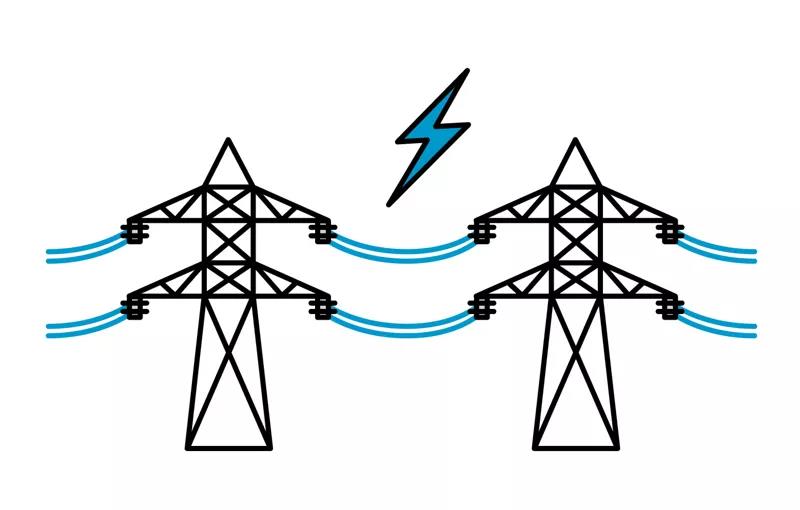 image.png
Introduction
Comprendre ce qu’est l’électricité et son rôle dans notre société constitue un bon premier pas pour étudier notre impact environnemental et trouver des façons de réduire notre empreinte. Pour ce faire, nous devrons avant tout revoir notre relation avec l’électricité et ses sources.
L’électricité est un phénomène naturel qui peut être utilisé pour alimenter de l’équipement et des appareils électroniques. Tout sur la planète est fait d’atomes, et tous les atomes possèdent des électrons. En gros, l’électricité est le flux d’électrons d’un atome à un autre. On appelle ce flux le « courant » (ou « courant électrique »). Les atomes qui s’échangent facilement des électrons s’appellent des conducteurs. Ces conducteurs peuvent être combinés pour nous permettre de contrôler le flux de l’électricité afin de servir nos besoins.
Les sources d’électricité se divisent en deux catégories : les sources renouvelables (comme l’énergie solaire) et non renouvelables (pétrole).
Les trois principales sources d’électricité dans le monde, soit le charbon, le gaz et le pétrole, sont non renouvelables. D’autres sources d’électricité répandues sont le nucléaire, l’hydroélectricité, l’éolien et l’énergie solaire.
Dans ce cours,
nous répondrons à certaines des questions les plus fréquentes sur l’électricité
et nous définirons certains termes couramment utilisés.
Nous donnons aussi les différentes lois (loi d’Ohm, Lois de Kirchoff et loi de Gauss) pour calculer les différentes grandeurs physiques tel que le champ électrique, la force électrique ainsi le potentiel électrique.
- Enseignant: ASMA HADJOU BELAID
- Enseignant: ZAKIA HADJOU BELAID
- Enseignant: AMINA NEGADI

La matière de « Plantes à huiles » est la science qui étudie toutes les plantes qui contiennent des huiles fixes ou essentielles. Le but c’est d’arriver à la production et la valorisation des Plantes à Parfum, Aromatiques et Médicinales (PPAM) et leurs dérivés comme les huiles essentielles et les oléagineuses pour la production des les huiles végétales. Cette matière permet de développer, de comprendre et de connaitre les plantes à Parfum, Aromatiques et Médicinales (PPAM) à usage artisanal ou industriel, des plantes oléagineuses et condimentaires, la production et la caractérisation des huiles végétales et essentielles.
Cette matière permet en terme de :
* Connaissance : de définir les huiles végétales et essentielles.
*Compréhension : de différencier entre les huiles fixes et essentielles par
l'étude détaillée de caractéristiques .
Application : être capable d'optimiser les techniques d'extraction des
huiles par la suite de la maîtrise des connaissances du cours.
Synthèse : A l'issu de cette matière l'étudiant sera capable d'utiliser ses
compétences acquis pour qualifier et identifier les huiles et les plantes
aromatiques et oléagineuses.
- Enseignant: SAMIYA BENOSMAN
- Enseignant: NADJAT CHEKROUN

L'environnement est un concept qui désigne le cadre de vie des individus et des populations. Il comprend donc le milieu naturel, mais aussi les sociétés et le milieu tel qu'elles l'ont façonné. Il est devenu une préoccupation politique, et les sciences de la Terre (biologie, géologie, climatologie) se sont emparées de l'étude de l'environnement sous l'angle de l'influence des humains sur leur milieu. Cela a mené à l'élaboration de la notion d'anthropocène, qui désigne une nouvelle ère géologique caractérisée par l'impact majeur des activités humaines dont une des conséquences majeures est la pollution de l’environnement naturel.
Ce cours intitulé « la pollution de l’environnement » est scindé en un ensemble d’unités qui vous permettrons d’acquérir des connaissances sur les différentes formes de pollution de l’environnement ainsi que de vous sensibiliser sur la gravité des problèmes environnementaux liés à la pollution mais aussi de promouvoir votre engagement en faveur de la protection de l'environnement et de la réduction de la pollution et enfin vous pousser à explorer des solutions et des technologies innovantes pour lutter contre la pollution.
- Enseignant: soumya benmoussat
University: University ofAbou-Bekr Belkaid Tlemcen
Faculty: Letters and Languages
Department:English
Module:Reading Comprehension (RC)
Level:1st Year Students (L1)
Semester: One
Unit Type: UE Méthodologique
Coefficient:02
Credit:04
Class Meeting Time: Monday 14:30 to 16
Class Location: Room 02
Course Period: 1 hour and 30 minutes
Instructor Name: Dr. Assia BENETTAYEB
Email Address: benettayebassia@gmail.com
Office Hours: Thursday at 11:30.
Course Description:
‘Reading Comprehension’ is a course addressed to first year FILA and EFL students
Course Objectives:
- Reading different types of materials
- Practice guided-intensive reading
- Learn and practise reading strategies
- Practice extensive reading.
Prerequisites:
- Reading
- Reading skills
Course Programme (Outline):
Reading Comprehension ‘RC’.
Contents:
I- Sequence One: Literary English.
· Text 1: Literature
· Text 2: Literary Genres in Literature
· Extensive Reading Assignments
II- Sequence 2: Economic Themes in English Literature.
· Text 1: Wealth of Nations
· Text 2: Economic Literature
· Extensive Reading Assignments
III- Sequence Three: Legal English.
· Text 1: Legal Business Company and Partnerships
· Text 2: Company Capitalisation
· Extensive Reading Assignments.
Classroom Policies:
- Intensive reading of short to long selections.
- Reading practice
- Intensive assignments
Evaluation Method: The evaluation of students goes as follow:
- Classroom evaluation (100%) Intensive +extensive works .
- No exam.
Bibliography and Suggested Resources:
· Akdere, Ҫ., & Baron, C. (Eds.). (2017). Economics and Literature: A Comparative and Interdisciplinary Approach (1st ed.). Routledge. https://doi.org/10.4324/9781315231617.
· Austen, J. (1813). Pride and Prejudice [Project Gutenberg eBook].
· Dickens, C. (1854). Hard times: A novel (No. 192). Harper.
· Gilmour, R. (2014). The Victorian period: the intellectual and cultural context of English literature, 1830-1890. Routledge.
· Krois-Lindner, A. (2006). International Legal English. Cambridge University Press.
· Orwell, G. (1945). Animal Farm. Available at: Global Grey ebooks https://www. globalgreyebooks.com/animal-farm-ebook.html)
· Roshni, D (2015). Literature. Available at:https://openurl.ebsco.com/EPDB%3 Agcd%3A7%3A2287 /detailv2?sid=ebsco%3Aplink%3 Ascholar&id=ebsco%3Agcd% 3 A 1 02555389&crl=c)
· Sinclair, U. (1906). The Jungle. Available at: Project Gutenberg: ù=à0https:// www.gutenberg.org/ebooks/140).
· Smith, A. (1950). An Inquiry into the Nature and Causes of the Wealth of Nations,(1776). http://metalibri.incubadora.fapesp.br.
- Enseignant: AHMED BACHIR
- Enseignant: assia benettayeb
- Enseignant: assia benttayeb
L'objectif du cours est de permettre a nos étudiants de connaître la méthodologie de recherche et de documentation, les connaissances acquises devront leur assurer d'entamer leurs mémoires de fin d'études avec plus d'efficacité et de rigueur ainsi que d'autres projets de recherche futur
- Enseignant: MOHAMMED BELKAID
- Enseignant: MUSTAPHA BENACHOUR
- Enseignant: MOHAMMED BENRAMDANE
This course is an initiation to research in Research Methods in Education
Ce cours est une initiation à la recherche dans le module de "Research Methods in Education"
- Enseignant: WASSILA GRAIA
TENSES
( By Dr. HAKEM Hadia and Dr HEMCHE Hidaya Amina)
Present tenses:
Ex 1: Put the verbs into the correct form, present simple or present continuous.
1. Please, don’t make so much noise. I ……………………………… (study).
2. How many languages ……………………………………….. (Tom/speak)?
3. Jean …………………...................... (not speak) any foreign language.
4. I …………………………………. (not belong) to any political party.
5. Hurry! the bus ……………………………. (come). I ……………………….. (not want) to miss it.
6. The Nile River ……………………………… (flow) into the Mediterranean.
7. The river …………………………….. (flow) very fast today. - much faster than usual.
8. ………………………………….. (it/ever/snow) in India?
9. We usually ………………………………. (grow) vegetables in our garden, but this year we ………………………………… (not grow) any.
10. A: Can you drive? – No, but I …………………………………. (learn).
11. You can borrow my umbrella. I ……………………….. (not need) it right now.
12. I …………………………….. (get) hungry. Let’s go get something to eat.
13. George is a vegetarian. He …………………………….. (not eat) meat.
14. George says he is 80 years old, but I ………………………… (not believe) him.
15. Ron is at San Francisco now. He ………………………………. (stay) at the Hilton Hotel. He ………………………………… (usually/stay) at the Hilton Hotel when he’s in San Francisco.
In these sentences, think about whether the situation is temporary or permanent.
16. My parents ……………………… (live) in Winnipeg. They were born there and have never lived anywhere else. Where ………………………………… (your parents/live) ?
17. She ……………………………. (stay) with her sister until she finds somewhere else to live.
18. The train is never late. It ………………………… (always/ leave) on time.
19. Jim is very untidy. He ……………………………….. (always/ leave) his things all over the place.
20. I can’t understand why he …………………………………….. (be) very selfish. He is not usually like that.
Ex 2: Complete each paragraph with one set of verbs, using the present simple or continuous.
belong / stay / cycle / use / enjoy - go / organise / work (×2) -
take / need / do / learn / get / be / provide/ organise
1. Simon and Sylvia ………………………………. in a cottage in the Yorkshire Dales this month. The cottage …………………………….. to a cousin of Sylvia but the cousin is away; she ……………………………….. around Norfolk for a few weeks. They really ……………………………. being in the middle of the countryside.
2. Debbie ....................... as an administrator at the university. She .................................. all the timetables and teaching schedules. She ........................................ very long hours because it’s the start of the academic year but she ................................... for a long holiday at the end of the month.
3. The International School for Languages ........................................ very well at the moment. About two hundred students .......................................... evening classes this term. Many of them .................................. to learn a new language to improve their job prospects but some of them ...................................... a new language purely for pleasure. The European languages .......................................... very popular but Japanese and Russian ................................. more popular too. The school ............................... good learning facilities and......................................... a range of study tours.
Ex 3: Complete these conversations. Put each verb in its correct form. Use the present simple or the present continuous.
Eg: A: Is Janet in, please?
B: Yes, but I think (think) she’s busy at the moment. She is washing (wash) her hair.
1. A: ……………………………… (I/ think) of buying a new computer.
B: But computers …………………………… (cost) so much money. What’s wrong with the one we have got?
A: It …………………………….. (it/get) out of date now.
2. A: Your new trousers ……………………….. (look) nice.
B: Thank you. The trouble is …………………………….. (they/ not fit) properly. I ……………………………… (not know) why I bought them really.
3. A: What …………………........ (you/do) ?
B: ……………………………… (I/weigh) this letter, ……..………………… (I/need) to know how many stamps to put on it.
4. A: ………………..………. (I/think) this road is road really dangerous. Look how fast that lorry.
B: …………………...…….. (I/agree). People shouldn’t go so fast.
5. A: ……………..……………(I/like) musicals. And this is a great show, isn’t it?
…………………..…………… (you/enjoy) it?
B: Yes, I am. ……..……………..…….. (I/love) every minute of it.
6. A: ………………………………… (I/always/fall) asleep. I just can’t keep awake.
B: What time …………………..…………… (you/go) to bed?
A: About ten o’clock usually. But…………………….…………. (it/not/make) any difference.
7. A: Could you post the goods to me. please?
B: Yes, certainly.
A: …………….…………… (I/live) at a guest house at the moment as ………………….…. (I/look) for a flat. So could you send it to my work address?
B: Yes, of course. And you’ll have the goods by the end of the week, ………………………... (I/promise).
8. A: Why ………………………………… (you/want) to change the whole plan?
B: I am just not happy with it.
A: And …………………………. (I/not/understand) why ……………………... (you/be) so difficult about it.
Ex 4: Put the verbs in bracket into the present perfect simple or the present perfect continuous.
1. A: You look hot. What 1have you been doing (you/do)?
B: I 2…………………………………………. (run).
A: Running? In this heat? How far 3………………………………… (you/run)?
B: About four miles.
2. A: What’s the problem? You look a bit preoccupied.
B: Yes, I 4………………………………. (think) about Helen.
A: Why? Is there something wrong with her?
B: Well, she 5………………………………….. (act) so strangely lately.
A: In what way?
B: Well, some days when she arrives at work, I know that she 6……………………………….. (cry). And she 7……………………………… (make) private calls when we’re all out at lunch. I just think that something is going on.
A: 8…………………………………….. (you/talk) to her about it yet?
B: Yes, a few times, and each time she 9………………………………….. (say) that there is nothing wrong, but I’m not so sure.
3. A: Where 10…………………………………….. (you/be) Simon?
B: I 11…………………………………… (talk) to Mark on the phone. He says he 12………………………………………… (try) to phone us all day.
A: Well I 13…………………………….. (be) in most of the day but I 14………………………………….. (not hear) the phone.
B: That’s strange. But anyway, he 15………………………………. (have) a phone call from Jackie’s mother and Jackie 16………………………………… (be) in some kind of accident. It’s nothing very serious but she’s got to stay in hospital overnight.
A: Oh dear. 17…………………………………………. (she/break) any bones?
B: I’m not quite sure how badly she 18…………………………………… (be hurt) but I think we should go and see her tonight.
Past tenses:
Ex 5: Choose a verb to complete the sentence. Use the present perfect or the past simple.
oversleep wear go have spend read
1. I .............................. a lot this week, but I have to get the book completely finished by this weekend.
2. A: Shall I make us some dinner? It’s already 8 o’clock. B: No, thanks. I .............................. to the dentist this afternoon and my mouth hurts too much to eat anything.
3. I ....................................... three lectures today and I still have two more later this afternoon.
4. It was so hot today that I ...................................shorts and T-shirt at work.
5. We ..................................... £200 on food this month and there’s another week to go before I get paid.
6. A: Do you want to lift home? B: No, I ................................ this morning because my alarm clock didn’t go off, so I need to work late.
Ex 6: Things that have happened today are on the radio and TV news. Give the news using the present perfect and the past simple.
1. The Prime Minister / visit Luton University / speak to students there / earlier today
The Prime Minister has visited Luton University. He spoke to students there earlier today.
2. The train drivers / go on strike / stop work /at twelve o’clock
......................................................................................................................................
3. The Queen / arrive in Toronto / fly there / in an RAF aircraft
......................................................................................................................................
4. Two men / escape from Parkhurst Prison / get away / during the night
.....................................................................................................................................
5. The actor Howard Bates / die in car accident / his car / crash into a wall
.......................................................................................................................................
6. Linda Jones / win the woman’s marathon / run it / in 2 hours 27 minutes
......................................................................................................................................
Ex 7: Write the verbs into the past simple, present perfect simple or present perfect continuous.
Jake and Michael, two friends, are talking
J: Hello, I1 ……………………………. (not see) you for ages.
M: No, it must be about two years since we last 2………………………....
(meet). What3 ………………………………… (you/do) with yourself?
J: I 4…………………………………………… (do) all sorts of things. Life
5…………………………… (be) very busy lately. I 6….……………………. (start)
a new job at the sailing centre.
M: Really! Doing what?
J: Well, I 7…………………………………… (teach) beginner’s courses to school
groups this term but when those 8…………………………………… (finish), I’ll be
teaching more advanced groups on holiday courses.
M: That sounds great. What about your old job at the tourist office then?
J: Well, I 9………………………………… (work) there for ten years and I quite
10…………………………. (enjoy) the job but I 11…………………………………
(want) to do something different. I 12………………………………… (always/enjoy)
sailing in my spare time so I 13…………………………… (think) it would be nice to
do it for a job.
M: So how long I 14….………………………….. (you/be) at the sailing centre?
J: For about two months now? I’m sure I 15………………………………… (do) the
right thing. It’s a really enjoyable job. And what about you?
M: Well, I’m still at the Rembrandt Hotel. I 16………………………………………….
(work) there for fifteen years now. But I 17………………………………. (have) a
promotion so that’s good. They 18……………………………………. (give) me the
job of head receptionist.
J: That’s good news.
M: Yes, it 19……………………………………… (make) me feel much better about
work. I mean, I 20………………………………….. (do) a lot of different jobs at the
hotel but I 21…………………………………….. (never/ have) a job with this much
responsibility before. I 22…………………………………….. (work) at the reception
desk for four years when I 23…………………………………… (start) at the hotel.
J: I’m happy for you. You should learn more languages then.
Ex 8: Write the verbs in brackets into the past simple or the past continuous.
1. Jane ………………………… (wait) for me when I ………………….. (arrive).
2. ‘What ………………………… (you/do) this time yesterday?’ – ‘I was a sleep.’
3. ‘ ……………………………….. (you/go) out last night?’ – ‘No, I was too tired.’
4. ‘Was Carol at the party last night?’ – ‘Yes, she ……………………………. (wear) a really nice dress.’
5. How fast ………………………………….. (you/drive) when the accident ……………………… (happen)?
6. John …………………………………… (take) a photograph of me while I ………………………………… (not/look).
7. We were in a very difficult position. We ……………………………. (not know) what to do.
8. I haven’t seen Alan for ages. When I last …………………………… (see) him, he ……………………………………….. (try) to find a job in London.
9. I ………………………………….. (walk) along the street when suddenly I ………………………… (hear) footsteps behind me. Somebody ………………………….. (follow) me. I was frightened and I ………………………….. (start) to run.
10. When I was young, I ……………………………. (want) to be a policeman.
Ex 9: In the following sentences put the verbs in brackets in either the past simple or the past continuous tense. Put any other words in the brackets in the correct place. Look at the example provided.
1. While the teacher was explaining (explain) the sum on the blackboard, the children were throwing (throw) paper aeroplanes around the classroom.
2. Eve ........................................ (live) in Athens when she ........................... (meet) the man who was to become her husband.....................
3. you....................... (not work) at Macllroy’s when they ............................... (have) that terrible fire?
4. I .................................... (hear) a strange noise just as I ................................ (go) to sleep.
5. When the fire alarm .................................. (go) off, we ..................................... (leave) the building as quickly as possible.
6. At the place where we ....................................... (live) before, our neighbours (always/ have) violent arguments late at night.
7. Fiona ................................... (live) in New York when her first novel ............................ (publish).
8. On looking out of the window, Dick ................................. (see) it was another dry day. The wind .................................... (blow) hard and big clouds .............................. (gather) on the horizon.
9. While the others ........................................ (lie) on the beach, poor old Gary ...................................... (work) in the office as usual.
10. When the phone ............................................. (ring), she .................................... (pick) it up and .................................... (put) it down again!
11. Beverly ....................................... (work) in a fast-food restaurant for a few months before she .............................................. (go) to college.
12. When I ........................................ (be) a lad, we .......................................... (always/go) to Heysham for summer holidays. I ......................................... (really/love) the place even though it .............................................. (often/rain).
Ex 10: Complete this text with these verbs.
was (×2) explained didn’t eat have gone had cooked hadn’t eaten
were went didn’t lock have heard had reached hadn’t locked j e ee
One of the four-year-olds in the reading group suddenly said, ‘This is the silliest story I (1) ........................ever .......................!’ I (2) .......................................... in the middle of reading Goldilocks and the three Bears to the group. We (3) ......................just ............................ the part in the story where Goldilocks goes into the bears’ house and eat some of the food from bowls on the table.
‘Where (4) ................................... the bears?’ he asked.
‘Maybe outside or playing in the woods,’ I suggested.
‘And their house was wide open? They (5) ......................even .............................. the door before going out?’
‘Well, in the old days, people (6) ............................................... their doors.’
‘And their food was on table, but they (7) ....................................... it before they (8) ........................................outside?’
‘Maybe they (9) ............................................ it because it (10) ............ too hot.’
‘If you (11) ........................................... that meal, you wouldn’t (12) ........................................
Out and left it, would you?’
‘Probably not, but it’s just a story,’ I (13) ......................................... rather weakly.
Future tenses
Ex 11:
Put the verbs in brackets into the future simple or continuous. Complete any short answer with will or won’t.
|
1 |
A : |
Would you like to come over for lunch on Saturday ? |
|
|
B : |
Well unfortunately, I 1’ll be working (work) all day Saturday. |
|
|
A : |
Oh, that’s shame. Well, you 2………………………… (have to come over) another day. I 3…………………………… (talk) to Andy about it and I 4……………………… (phone) you on Sunday. 5…………………………. (you/be) in then ? |
|
|
B : |
Yes definitely. I 6…………………………….. (recover) from my week’s work. |
|
2 |
A : |
7……………………………. (you/go) to the meeting tonight? If so, I 8………………………….. (give) you a lift there. |
|
|
B : |
Oh yes please, that would be helpful. I 9………………………………… (play) tennis until 7 o’clock but I 10…………………………….. (be) back shortly after that. |
|
|
A : |
O.K. I 11………………………………… (pick you up) at about 7.30. 12…………………………….. (you/be) ready by then ? |
|
|
B : |
Yes. Don’t worry. I 13………………………………… (wait) for you when you get here. |
|
3 |
A : |
Do you ever think about what you 14………………………………. (do) in ten years’ time ? |
|
|
B : |
Oh yes. I sometimes imagine that I 15…………………………… (do) a very important job and earning lots of money and that I 16…………………………… (live) in a beautiful big house. But to be honest, I think I 17…………………………….. (still work) here and I 18………………………………..(probably do) the same job. |
|
|
A : |
No, you 19……………………………. . You 20…………………………. (get) a better job soon, I’m sure you 21………………………………… . |
|
|
B : |
And so 22…………………………… you. |
|
|
A : |
And then we 23…………………………….. (go) on wonderful foreign holidays and we 24………………………………. (learn) to speak different languages. |
|
|
B : |
Perhaps. |
|
4 |
A : |
Oh dear, I’ve run out of stamps. I 25………………………………. (not be able to post) these letters now. |
|
|
B : |
Well, I 26……………………………… (go) to the post office later on. I 27………………………………. (take) the letters and post them for you. |
|
|
A : |
Oh thank you. I 28…………………………….. (give) you the money for the stamps. |
|
5 |
A : |
So I 29………………………………… (wait) for you when you get to the station. I 30…………………………………… (not come) onto the platform but I 31…………………………………. (see) you by the ticket office. |
|
|
B : |
O.K., that’s fine. I 32………………………………... (carry) a heavy suitcase so I think we 33……………………………………... (have to get) a taxi from the station.
|
Ex 12: Write the verbs below in the future perfect simple or continuous. If two answers are possible, write the answer which you think is best for the sentences.
1. They’ll probably be hungry because they won’t have eaten. (not eat)
2. I’ll be tired tonight because I’ll have been working all day. (work)
3. I ……………………………… the entire committee by the time I leave England. (meet)
4. I ……………………………….. for seven years when I get my degree. (study)
5. We …………………………….. here for six months by the time they find us a new flat. (live)
6. I …………………………….. for fifty-five years by 2016. (work)
7. They …………………………….. in the cold for six hours by the time we pick them up. (stand)
8. Another million people ………………………………… unemployed by this time next year. (become)
9. She ………………………………….. Prime Minister for ten years by next year. (be)
10. They ………………………………… for five hours by eight o’clock. (play)
11. We ………………………………. for two days by the time we get there. (drive)
12. They ………………………………. for twenty-four hours by twelve o’clock tomorrow. (not eat)
13. When they’ve talked to me, the police ……………………………… everybody in the office. (question)
Ex 13: Put the verbs in brackets into the present simple, future simple, future perfect simple or future perfect continuous.
1. I think she will have heard (hear) all about it by the time I see (see) her.
2. I reckon I …………………………………… (finish) this book by the weekend and then I …………………………………… (give) it to you.
3. The children ……………………….. (be) hungry when they ……………..………… (get in) because they ……………………………. ………………………… (run around) all afternoon.
4. This government …………………………………… (be) in power for eight years soon but I don’t think they ……………………………………… (win) the next election.
5. …………………………………. (you/eat) when you …………………………. (get) here? If not, I ………………………………… …. (make) you something.
6. Don’t phone them now. They …………………………………………. (not get) home yet. They ……………………………………………. (probably get back) at about half past eight.
7. I think they ………………………………………. (finish) building the house by the time the winter ……………………………… (come) and then we ……..………….. (move in) in the New Year.
8. I expect they …………………………. (be) tired when you …………………………. (see) them because they ……………………………. …………… (work) all day.
9. If I ……………… (come) and see the film with you on Saturday, I …………………… (see) it six times. But it is my favourite film of all time: I think you …………………..….. (love) it.
Ex 14: Do these sentences refer to habitual present or the future? Circle P or F for each sentence.
1. I leave home at eight, walk to the station, and catch the 8.30 train. I always get to the office before nine. P / F
2. The committee leaves Stockholm on Sunday morning, arrives in Australia on Monday and starts work on Tuesday. P / F
3. Your plane leaves London at 8.30 and arrives in Cairo at 12.00. P / F
4. I travel by the 8.30 train because it gets to London before ten o’clock. P / F
5. I travel by the 8.30 train from Berlin which connects with the night ferry from the Hook of Holland. You arrive in London an hour before your appointment. P / F
6. I always take the night train from Edinburgh which arrives in London at half-past six. P / F
7. The hovercraft leaves Felixtowe at 12.00. It takes an hour, so you get there at 14.00 French time. P / F
8. The Prime Minister arrives in India on Tuesday, spends a couple of days in Delhi, then goes on to Malaysia. P / F
Ex 15: Put the verbs into the more suitable form, present simple or continuous.
1. I …………………………….. (go) to the cinema this evening.
2. ………………………………………… (the film/begin) at 3.30 or 4.30?
3. We …………………………………….. (have) a party next Saturday. Would you like to come?
4. The art exhibition ……………………………………….. (finish) on 3 May.
5. I ……………………………… (not go) out this evening. I ……………….………… (stay) at home.
6. ‘ ………………………..….. (you/do) anything tomorrow evening?’ ~ ‘No, I’m free. Why?’
7. We ……………………………. (go) to a concert tonight. It ……………………… (start) at 7.30.
8. I ………………………………… (leave) now. I’ve come to say goodbye.
9. A: Have you seen Liz recently?
B: No, but we …………………………… (meet) for lunch next week.
10. You are on the train to London and you ask another passenger:
Excuse me. What time ………….………………………… (this train/get) to London?
11. You are talking to Helen:
Helen, I ………. ……………………. (go) to the supermarket. ……………… …….. ……………… (you/come) with me?
12. You and a friend are watching television. You say :
I’m bored with this programme. What time ………………………….. (it/end) ?
13. I ……………………………. (not/use) the car this evening, so you can have it.
14. Sue ……………………………… (come) to see us tomorrow. She ……………. …………………… (travel) by train and her train ……………………. (arrive) at 10.15.
Ex 16: Complete the text using the verbs given. Choose will (’ll) or (be) going to with each verb, depending on which is more appropriate.
1. A: I can’t come over during the day.
B: I …………………………….. you tomorrow evening, then. (see)
2. The method is quite simple, and I’m sure it ……………………………….. familiar to most of you already. (be)
3. Have you seen Karen recently? She ……………………………. another baby. (have)
4. A: Did you get the theatre tickets?
B: No, I forgot all about them. I ……………………………….. them tomorrow. (book)
5. Wherever you go in Brazil, you …………………………………. the people very friendly. (find)
6. John says he …………………………………….. a politician when he grows up – and he is only 5 years old! (be)
7. Are these new skis yours? ……………………… …………………… skiing? (you/take up)
8. It’s getting very humid. We …………………………….. a thunderstorm. (have)
9. A: We’ve got small, medium and large. What size do you want?
B: I ……………………………. a large one, please. (have)
10. A: Shall I give Ian another ring?
B: Yes, I expect he ……………………………….. home by now. (be)
11. A: What are all those bricks for?
B: I …………………………………. a wall at the side of the garden. (build)
12. I hear you ………………………………….. your car. How much do you want for it? (sell)
13. You can’t play football in the garden. I …………………………….. the grass. (cut)
14. A: What’s the matter with Paula?
B: She says she ………………………………… .
A: She ………………………………… better with some fresh air. (be sick - feel)
Ex 17: Complete this text with the most appropriate forms of the verbs, using will, be going to or the present simple.
be give have make not start not stop
I was standing at the bus stop reading my horoscope in the newspaper. It said, ‘You ……………….………… good moments and bad moments today.’ I looked up and saw the bus coming. Then I realized it 2…………………………………… because it was already full. ‘Oh, no,’ I thought. ‘If I 3……………………………….. walking fast, I 4……..………………………. …… late for my first class !’ I had just started walking when a car pulled up beside me and one of my classmates leaned out. ‘Hey Jean, get in, we 5……………………………. you a lift.’ It’s amazing how the bad moments 6………………………….….. the good moments feel so much better.
- Enseignant: hadia hakem
- Objectifs de l’enseignement :
- Permet de faire connaître aux étudiants les phénomènes hydrologiques et leurs genèses et les bases pour l’estimation et l’évaluation des paramètres liés à ces phénomènes (précipitation, débit de cours d’eaux, crues…). L’hydrologie est d’une importance capitale dans les études hydrauliques.
- Connaissances préalables recommandées :
- Probabilités et statistiques, hydrologie I.
- Enseignant: FADILA BELARBI
- Enseignant: lotfi benadda
- Enseignant: ABDERRAZAK BOUANANI
- Enseignant: HAMID BOUCHELKIA
Objectifs de l’enseignement
Les objectifs assignés par cette matière portent sur l’initiation des étudiants à mettre en pratique les connaissances théoriques acquise dans les cours des machines hydrauliques et stations de pompage.
Connaissances préalables recommandées
Hydraulique générale, machines hydrauliques et pompes et stations de pompage.
- Enseignant: FADILA BELARBI
- Enseignant: lotfi benadda
- Enseignant: HAMID BOUCHELKIA
Objectifs de l’enseignement
Les objectifs
assignés par cette matière portent sur l’initiation des étudiants à mettre en
pratique les connaissances théoriques acquise dans les cours des machines
hydrauliques et stations de pompage.
Connaissances préalables recommandées
Hydraulique générale, machines
hydrauliques et pompes et stations de pompage.
- Enseignant: FADILA BELARBI
- Enseignant: lotfi benadda
- Enseignant: HAMID BOUCHELKIA
Objectifs de l’enseignement
Les objectifs
assignés par cette matière portent sur l’initiation des étudiants à mettre en
pratique les connaissances théoriques acquise dans les cours de traitement et épuration de l’eau. L’étudiant sera en
mesure d’utiliser les appareils de mesures de paillasse ainsi que les pilotes
destinés à réaliser des études sur le traitement et l’épuration des eaux.
Connaissances préalables recommandées
Chimie des eaux, biologie des eaux,
traitement des eaux, épuration des eaux.
- Enseignant: YOUCEF AICHOUR
- Enseignant: MOHAMMED AMAR BENSABEUR
- Enseignant: MOSSAAB EL KHEIR AOUIMEUR
- Enseignant: MOUHAMMED EL AMINE BABA AHMED
- Enseignant: ALAEDDINE BADAOUI
- Enseignant: ABDELSAMED BARKA
- Enseignant: OTHMANE BELALIMAT
- Enseignant: FADILA BELARBI
- Enseignant: TARIK BELBACHIR
- Enseignant: lotfi benadda
- Enseignant: MERYEM BERRAHOU
- Enseignant: MOHAMMED ABDENNOUR BOUABSA
- Enseignant: HAMID BOUCHELKIA
- Enseignant: HOUARI BOUKAMBOUCHE
- Enseignant: ABDELILAH BOUKHELIF YAHIA
- Enseignant: AICHA BOURGHIDA
- Enseignant: IBTISSAM NARDJISSE BOURIBA
- Enseignant: ABDELGHANI CHIBOUB FELLAH
- Enseignant: AHMED OTMANE CHIHA
- Enseignant: MOUAD DIB
- Enseignant: YOUCEF HADROUG
- Enseignant: DJILLALI HAMIDI
- Enseignant: RABIE MOHAMMED EL MEHDI KHEDDAM
- Enseignant: MOHAMED ELOUATEK KOURBALI
- Enseignant: ALLA EDDINE ISSLAM LALEM
- Enseignant: MOHAMMED MADANI
- Enseignant: ABDELKRIM MOUAD MATALLAH
- Enseignant: FATIMA KAOUTHER MEFTOUH
- Enseignant: AISSA MERIAH
- Enseignant: LAKHDAR MESMOUDI
- Enseignant: ANIS MESSAOUDI
- Enseignant: OMAR EL FAROUK MILOUDI
- Enseignant: KHALED MOHAMMED SBA
- Enseignant: BELAZGHEM MOHAMMED SOUFIANE
- Enseignant: BOUZIANE MOKDAD
- Enseignant: MANSOUR MOSTEFA
- Enseignant: MEHDI MOUSSAOUI
- Enseignant: INAS SAIFI
- Enseignant: AMINA SAOUDI
- Enseignant: CELINE TAHACHENT
- Enseignant: AHMED TANNAH
- Enseignant: NAJY TITOUAH
- Enseignant: MOHAMED YAZID

Bienvenue sur le cours de l'analyse de la situation financière de l'entreprise.
L’analyse financière est un ensemble de méthodes et outils qui permettent d’évaluer la
situation financière de l’entreprise pour réaliser un équilibre financier à court, à moyen et à
long terme. Elle est réalisée à partir des documents comptables : le bilan, le tableau des
comptes de résultats,… et sur des informations économiques et financières relatives et à son
activité.
Ce cours s'adresse aux étudiants de la deuxième année classes préparatoires.
Ce cours est composé d’un ensemble d’unités d’apprentissage qui vous permettent d’acquérir
des compétences en matière d’utilisation des techniques de l’analyse financière afin d’arriver
à analyser la situation financière de l’entreprise.
- Dr: sara Bouri

Scientific methodology is the set of rules and procedures use in order to achieve objectives and conduct scientific research.
Any scientific approach or research is based on the proposition of hypothesis, their verification through observation and therefore experimentation and validation. The verification stage requires a set of tools and instruments to a given research, called “techniques”.
This course is designed for students in "L2 Biological Sciences".
The "MSTEV" course allows you to acquire knowledge of the equipment use in cell morphology study. This course will also allow you to acquire knowledge on the methods of biochemical analysis of cell composition. In addition, you will determine the parameters used to study living organisms.
- Enseignant: fatimazohra djeziri
- Enseignant : Fatima Zahra MOKKEDEM
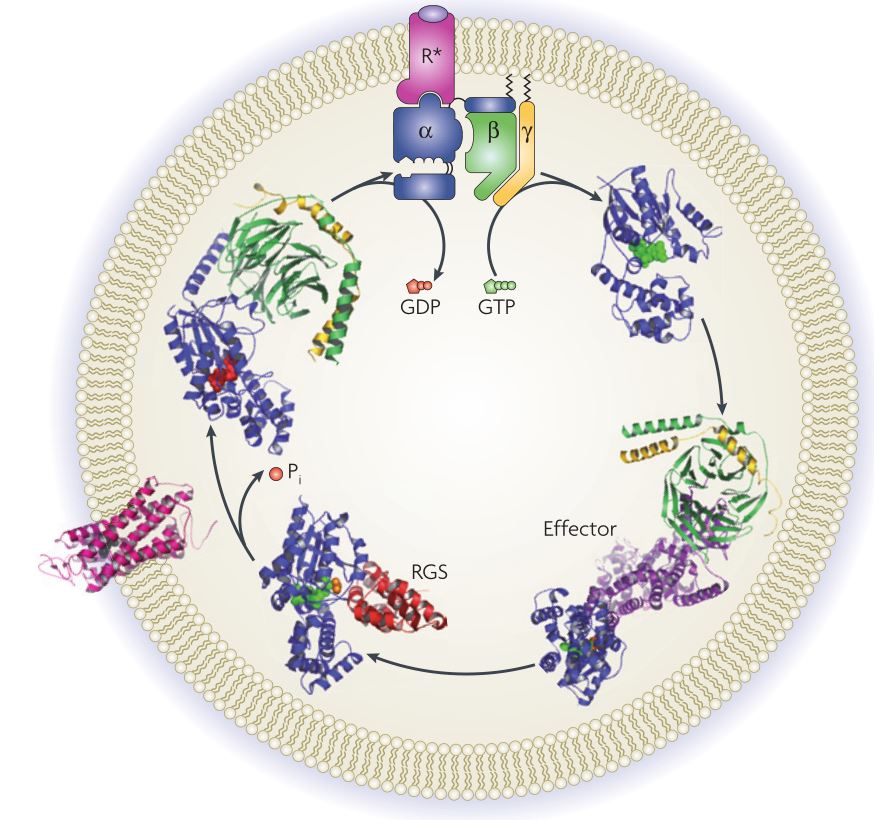
Ce cours a pour but de permettre à l'étudiant de maîtriser les concepts de base de la signalisation cellulaire. Le cours est réparti en trois chapitres. Le chapitre I présente une introduction concernant les protéines et leur structure. Par ailleurs, les notions de commutateur moléculaire et de modifications post-traductionnelles sont introduites afin de mieux comprendre la transduction du signal. Le chapitre II permet d’approfondir des connaissances concernant les structures des principales classes de molécules de signalisation et les différentes modes de communication des cellules. Le dernier chapitre présente les principales classes de récepteurs de surface, les récepteurs nucléaires ainsi que leur structure et explique comment se fait la transduction du signal.
- Enseignant: Amal Saïdi
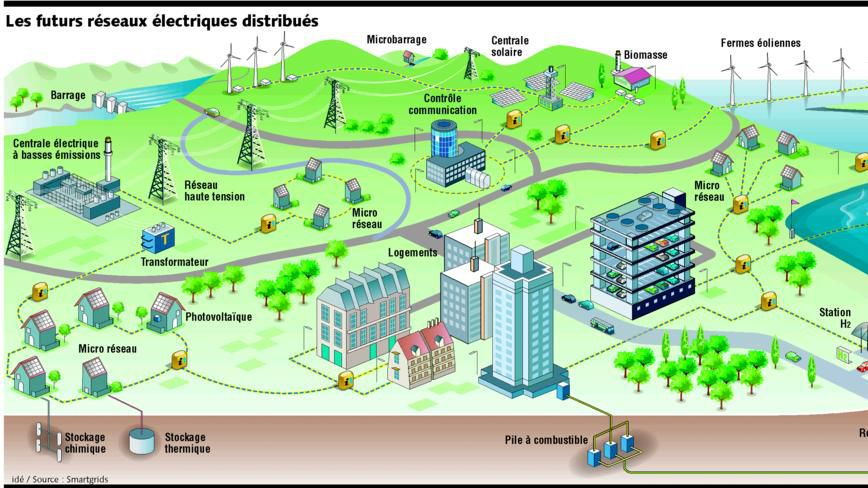
Ce document contient le cours des réseaux électriques intelligents destiné aux étudiants de cinquième année électrotechnique durant le semestre S5.
Il est structuré en cinq chapitres dont trois sont désormais disponibles, et le reste des chapitres suivra ultérieurement.
L'objectif du cours est de permettre à l'étudiant de comprendre l'évolution des réseaux électriques, avec une introduction sur les fondements des réseaux électriques intelligents et les terminologies importantes utilisées.
Ensuite, il acquerra des connaissances sur la technologies des micro-réseaux et l'intégration des énergies renouvelables et du stockage de l'énergie.
Pour terminer, l'étudiant acquerra des connaissances liées aux compteurs intelligents et l'avenir de la technologie des réseaux intelligent.
Dr. Imen BOUSMAHA
Contenue de la matière : Statistique descriptive.
Ce cours s’adresse aux étudiants de la deuxième année de Licence des sciences
et techniques. Premier semestre (L2 - S1).
Objectifs de la matière : Le cours a pour but d'initier les étudiants aux principes de base de la statistique.
Le cours vise principalement à introduire et faire méditer les concepts fondamentaux et méthodes élémentaires de la statistique pour permettre un apprentissage autonome ultérieur de méthodes complémentaires.
On veut développer le sens critique nécessaire lors de la mise en œuvre et de l'interprétation d'un traitement statistique.
Pour cela, on introduira et utilisera un cadre mathématique rigoureux.

- Dr.: Abdennasser Chekroun

This course is related to methods and techniques that can help new University students know how to study in an effective way. The target learners are students of first year major in English.
This module aims at:
- Identifying the importance of some study habits at the university level.
- Recognizing some initial study skills.
- Interpreting different study skill notions and techniques.
- Enseignant: AMINA TCHOUAR
University: University of Abou-Bekr Belkaid Tlemcen
Faculty: Letters and Languages
Department: English
Module: Study Skills (STSK)
Level: 1st Year Students (L1)
Semester: Semesters 1 and 2
Unit Type: UE Méthodologique
Coefficient: 02
Credit:04
Class Meeting Time: Thursday 8:30 to 10.
Class Location: Room 32
Course Period: 1 hour 30 minutes
Instructor Name: Dr. Assia BENETTAYEB
Email Address: benettayebassia@gmail.com
Office Hours: Thursday 11:30.
Course Description:
‘Study Skills Assignments for 1st Year University Students’ is a course that exposes students to the different tasks and assignments they may come across in study skills learning. It is a synthesis of possible activities they can exercise to ensure skills learning and practice. The course is divided into six main sequences (Understanding University Study Skills, Study Skills Identification, Study Routines, Habits and Styles, Reading, Writing and Vocabulary Skills, Paragraphing and Punctuation Skills in Writing, and More Assignments) each of which comprise a set of assignments (A, B and C) and the ‘More Assignment’ sequence comprising consolidation tasks about extensive reading practice, grammar construction, and correction, using English dictionaries, tips for examination preparation and sitting.
Course Objectives:
- Knowing and understanding different skills
- Identifying skills and differentiating them.
- Practising skills in isolation and then in integration
- Identifying study routines, habits, and learning styles
- Building good studying habits
- Fixing study setting (Time/place of study)
- Learning more vocabulary (Words stem, guessing /fixing meanings)
- Practice extensive reading and preparing a book report sheet.
- Learning about correct grammar construction of a sentence
- Learning some reading, writing, and vocabulary skills
- Learning paragraphing and punctuation skills in correct writing
- Improving reading and writing skills
- Learning how to outline.
- Learning how to use different types of dictionaries
- Using and directing tips/advice about preparing and sitting for exams.
Prerequisites:
- Skills’ learning
- Skills’ identification
- Skills in practice.
Course Programme (Outline):
STUDY SKILLS ASSIGNMENTS FOR 1st YEAR
UNIVERSITY STUDENTS.
(Related Lectures are available at: https://faclettre.univ-tlemcen.dz/assets/uploads/DOCUMENTS/cours%20en%20ligne/livres/Study%20skills%20in%20practice_Benttayeb.pdf).
I- Understanding University Study Skills.
ü Assignments A
ü Assignments B
ü Assignments C
II- Study Skills Identification.
ü Assignments A
ü Assignments B
ü Assignments C
III- Study Routines, Habits and Styles.
ü Assignments A
ü Assignments B
ü Assignments C
IV- Reading, Writing and Vocabulary Skills.
ü Assignments A
ü Assignments B
ü Assignments C
V- Paragraphing and Punctuation Skills in Writing.
ü Assignments A
ü Assignments B
ü Assignments C
VI- More Assignments.
Classroom Policies:
- Exposition of the input
- Clarification of the contents
- Practice and illustrations
- Intensive assignments
- Extensive assignments
Evaluation Method: The evaluation of students goes as follow:
- Written test+ classroom evaluation
- Formal written exam.
Bibliography and Suggested Resources:
- Allan, B. (2010). Study skills handbook. Hull University Business School.
- Benettayeb, A. (2023). Study Skills Guide. Konouz Edition.
- Benettayeb, A.(2021). Study Skills in Practice (A Course for University Students). Konouz Edition. (2nd Edition).
- Carroll ,R.T. (1990). Student Success Guide- Study Skills. Sacramento.
- Yorkey, R.C. (1970). Study Skills for Students of English as a Second Language. MacGrow -Hill Book Company.
- Enseignant: assia benettayeb
- Enseignant: assia benttayeb
- Enseignant: IMAN DIB
- Enseignant: IMANE DIB
- Enseignant: kamila ghouali
- Enseignant: KHADIDJA HAMMOUDI
- Enseignant: meriem mengouchi